If you’ve ever experienced discomfort, pain in your feet, ankles, or even knees after a long walk or run, you might be dealing with overpronation. This common biomechanical issue occurs when your foot rolls inward excessively during gait, leading to misalignment and potential strain. Finding the right footwear is crucial for managing overpronation, and that’s where specialized overpronation women’s shoes come in. These shoes are engineered with specific features to provide the stability and support needed to correct your foot’s motion, ensuring a more comfortable and pain-free experience.
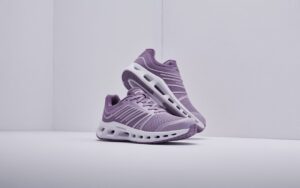
Navigating the vast market of athletic footwear can be overwhelming, especially when you’re looking for specific support. Many brands offer excellent options, but knowing what features truly make a difference for overpronation is key. Our goal with this comprehensive guide is to cut through the noise, providing you with expert insights and detailed reviews of the top products designed to address this common foot condition.
We’ve meticulously researched and evaluated a range of popular choices, from dedicated stability running shoes to supportive walking options and even highly effective insoles. Whether you’re a seasoned runner, an avid walker, or simply seeking everyday comfort, our selection highlights the best overpronation women’s shoes available today, helping you make an informed decision for happier, healthier feet.
Comparison Table: Top Overpronation Solutions for Women
| Product Name | Key Features | Rating | Buy Now |
|---|---|---|---|
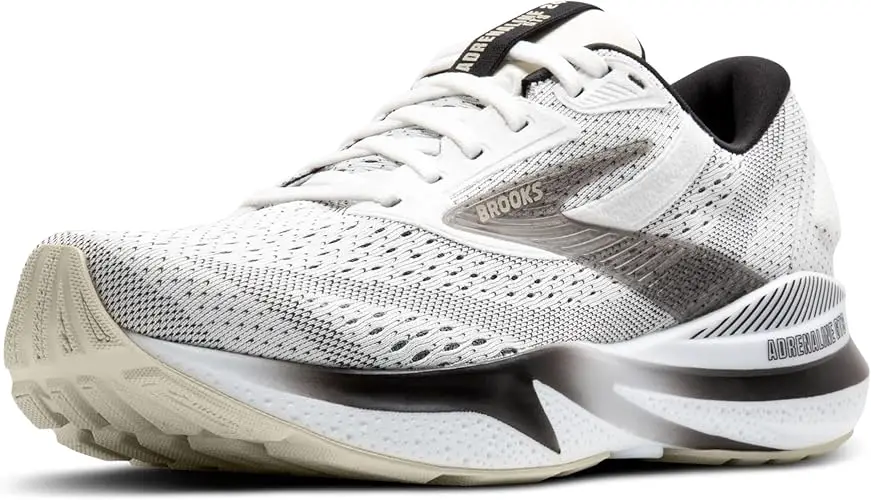
| Brooks Women’s Adrenaline GTS 23 | GuideRails® support, DNA LOFT cushioning, balanced feel. | 4.8/5 | Buy Now |
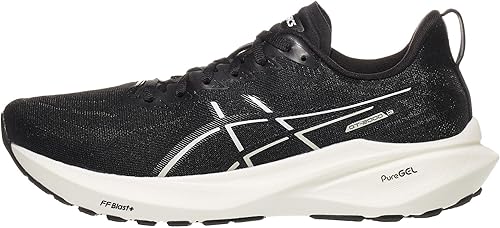
| ASICS Women’s GT-2000 13 | LITETRUSS™ stability, GEL™ technology, FF BLAST™ cushioning. | 4.7/5 | Buy Now |
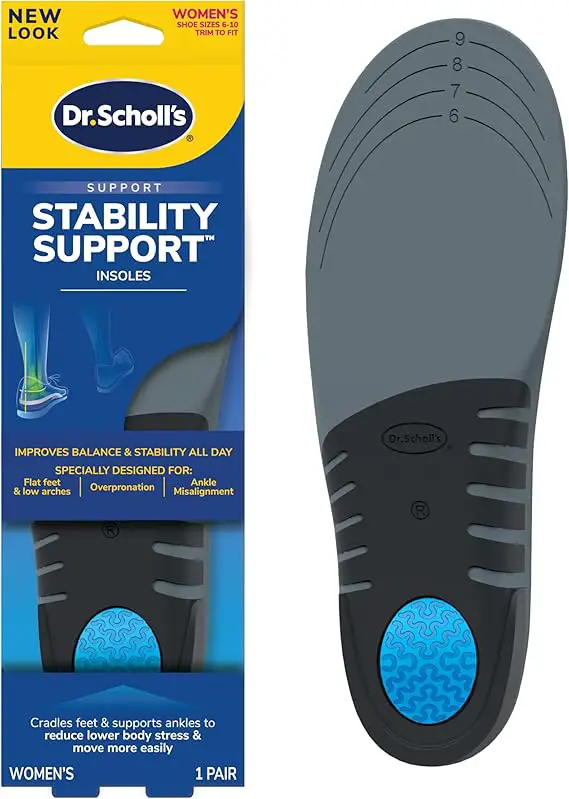
| Dr. Scholl’s Stability Support Insoles | Deep heel cup, arch support, motion control for shoes. | 4.5/5 | Buy Now |
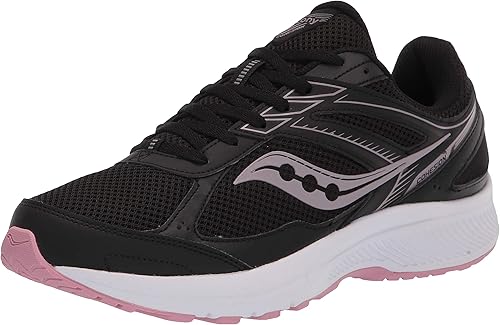
| Saucony Women’s Cohesion 14 | VERSAFOAM cushioning, durable outsole, comfortable fit. | 4.6/5 | Buy Now |
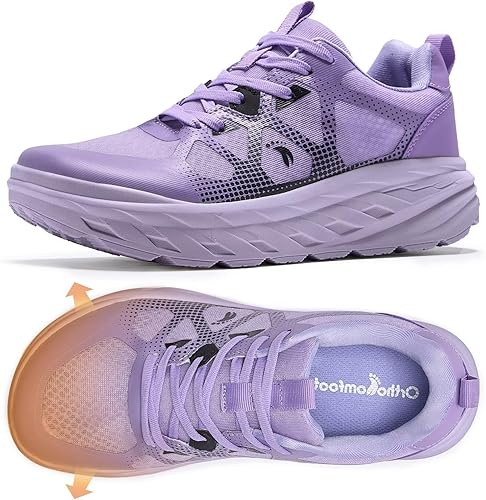
| Women’s Orthopedic Diabetic Wide Walking Shoes | Wide fit, orthopedic support, diabetic-friendly, deep toe box. | 4.4/5 | Buy Now |
Detailed Product Reviews
Buying Guide: Choosing the Right Overpronation Women’s Shoes
Selecting the perfect pair of shoes to combat overpronation can significantly improve your comfort and reduce the risk of injury. Here’s what you need to consider when shopping for overpronation women’s shoes:
Understanding Overpronation
Overpronation is when your arch flattens and your foot rolls inward excessively as you walk or run. This can lead to issues ranging from plantar fasciitis and shin splints to knee and hip pain. Shoes designed for overpronation, often called “stability” or “motion control” shoes, are built to counteract this inward roll.
Key Features to Look For
- Arch Support: A firm, well-structured arch is crucial. It helps prevent the arch from collapsing and provides the necessary lift to keep your foot in a more neutral position. Look for shoes with a medial post (a denser foam on the inner side of the midsole) or guide rail systems.
- Stability Control: This is the hallmark of overpronation shoes. It can come in various forms, such as the GuideRails in Brooks shoes or LITETRUSS technology in ASICS, all aimed at guiding your foot and ankle to reduce excessive pronation.
- Cushioning: While stability is paramount, comfort is also key. Opt for shoes that offer a good balance of firm support and adequate cushioning to absorb impact. Many stability shoes feature responsive cushioning that doesn’t compromise on support.
- Heel Counter: A firm heel counter (the rigid part around the heel) helps lock your heel in place, preventing it from rolling inward excessively. Test this by squeezing the heel counter—it should feel sturdy.
- Fit and Sizing: Always try shoes on, preferably at the end of the day when your feet are slightly swollen. Ensure there’s ample room in the toe box and that your heel feels secure without slipping. Some brands offer wide sizes, which can be beneficial if you have a broader foot or need space for orthotics.
- Outsole Durability: For stability shoes, a durable outsole is important for longevity, especially if you’re an active individual. Look for carbon rubber or other high-abrasion rubber compounds in high-wear areas.
When to Consider Insoles
If you have mild overpronation or prefer to use your existing neutral shoes, high-quality insoles like the Dr. Scholl’s Stability Support can provide an effective and economical solution. They add targeted arch support and heel stability, but remember they are an addition, not a complete replacement for a well-designed stability shoe in more severe cases.
Frequently Asked Questions (FAQ)
Q1: How do I know if I overpronate?
A simple test is to look at the wear pattern on your old shoes. If the sole is significantly worn on the inner edge, you likely overpronate. You can also do a “wet test” by stepping on a piece of paper after wetting your feet; if you see a full imprint of your sole with little to no arch, you’re likely an overpronator. For a definitive answer, consult a podiatrist or a running shoe specialist.
Q2: Can I use regular shoes with overpronation insoles?
Yes, for mild to moderate overpronation, supportive insoles can be inserted into many neutral shoes to add stability. However, for severe overpronation or high-impact activities, dedicated stability shoes often provide superior integrated support.
Q3: How long do overpronation shoes last?
Typically, running or walking shoes should be replaced every 300-500 miles, or every 6-12 months, depending on your activity level and body weight. The stability features and cushioning degrade over time, reducing their effectiveness.
Q4: Are overpronation shoes uncomfortable?
Modern overpronation shoes are designed for comfort. While they might feel firmer than highly cushioned neutral shoes due to their stability elements, they shouldn’t be uncomfortable. If they are, they might not be the right fit for your foot type or level of pronation.
Q5: What’s the difference between stability and motion control shoes?
Stability shoes are for mild to moderate overpronators and use features like medial posts or guide rails to gently correct inward rolling. Motion control shoes are for severe overpronators or those with very flat feet, offering maximum support and rigidity to heavily restrict pronation.
Conclusion
Investing in the right overpronation women’s shoes can make a world of difference in your daily comfort and long-term foot health. Our top picks offer a range of solutions to suit different needs and budgets.
For the Best Overall performance, the Brooks Women’s Adrenaline GTS 23 consistently delivers. Its renowned GuideRails® system provides holistic support, making it a versatile and highly effective choice for most overpronators seeking a balanced and cushioned ride.
If you’re on a tighter budget but still need reliable support, the Saucony Women’s Cohesion 14 stands out as the Best Budget option. While it offers less aggressive stability, its durable construction and comfortable cushioning provide excellent value for everyday wear and lighter activities.
And finally, for a premium experience that combines advanced stability with superior cushioning, the ASICS Women’s GT-2000 13 takes the spot for Best Premium. Its blend of LITETRUSS™ technology, GEL™, and FF BLAST™ cushioning ensures a smooth, supportive, and energetic ride for serious runners and walkers alike. Don’t forget the Dr. Scholl’s Stability Support Insoles as a fantastic supplementary or introductory solution for enhanced stability.
No matter your activity level or specific needs, choosing footwear designed to address overpronation is a crucial step towards pain-free movement and improved biomechanics. We hope this guide helps you find your perfect pair!