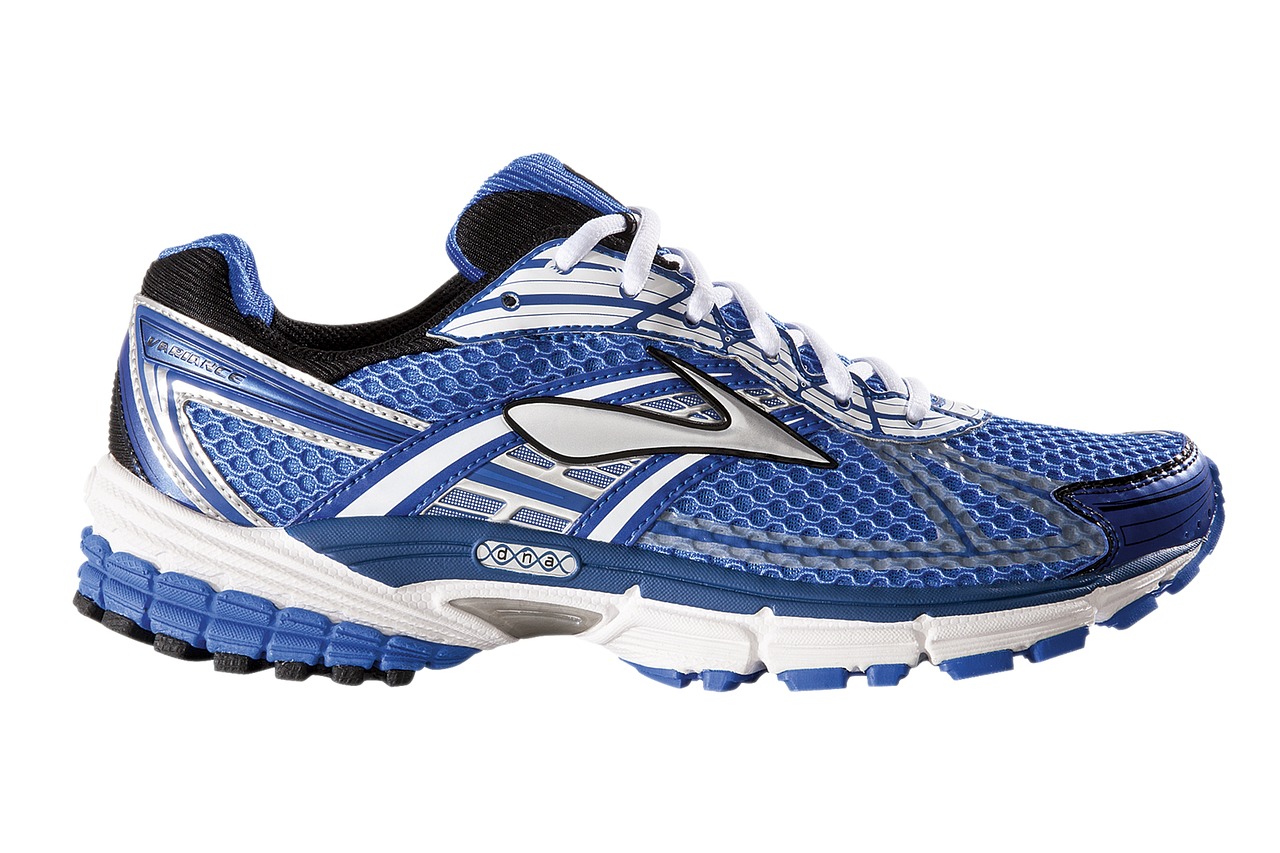
Ever wondered “How much does a shoe weigh?” It seems like a simple question, but the answer is surprisingly complex. From lightweight running shoes to heavy-duty work boots, the weight of footwear can vary dramatically. Understanding the factors influencing shoe weight can help you make informed decisions when purchasing shoes for specific activities, comfort, or even just everyday wear. This guide will break down everything you need to know about shoe weight, helping you find the perfect fit – literally and figuratively!
Contents
- 1 Understanding the Factors That Influence Shoe Weight
- 2 Step-by-Step Guide: How Much Does A Shoe Weigh? (Different Shoe Types)
- 3 Tips for Making Better “How Much Does A Shoe Weigh” Decisions
- 4 Common Mistakes to Avoid When Considering Shoe Weight
- 5 Frequently Asked Questions (FAQ)
- 6 Conclusion: Finding the Right Weight for Your Feet
Understanding the Factors That Influence Shoe Weight
Before we dive into specific examples, let’s consider the key elements that contribute to a shoe’s overall weight. These factors interplay to determine the final number you see on the scale.
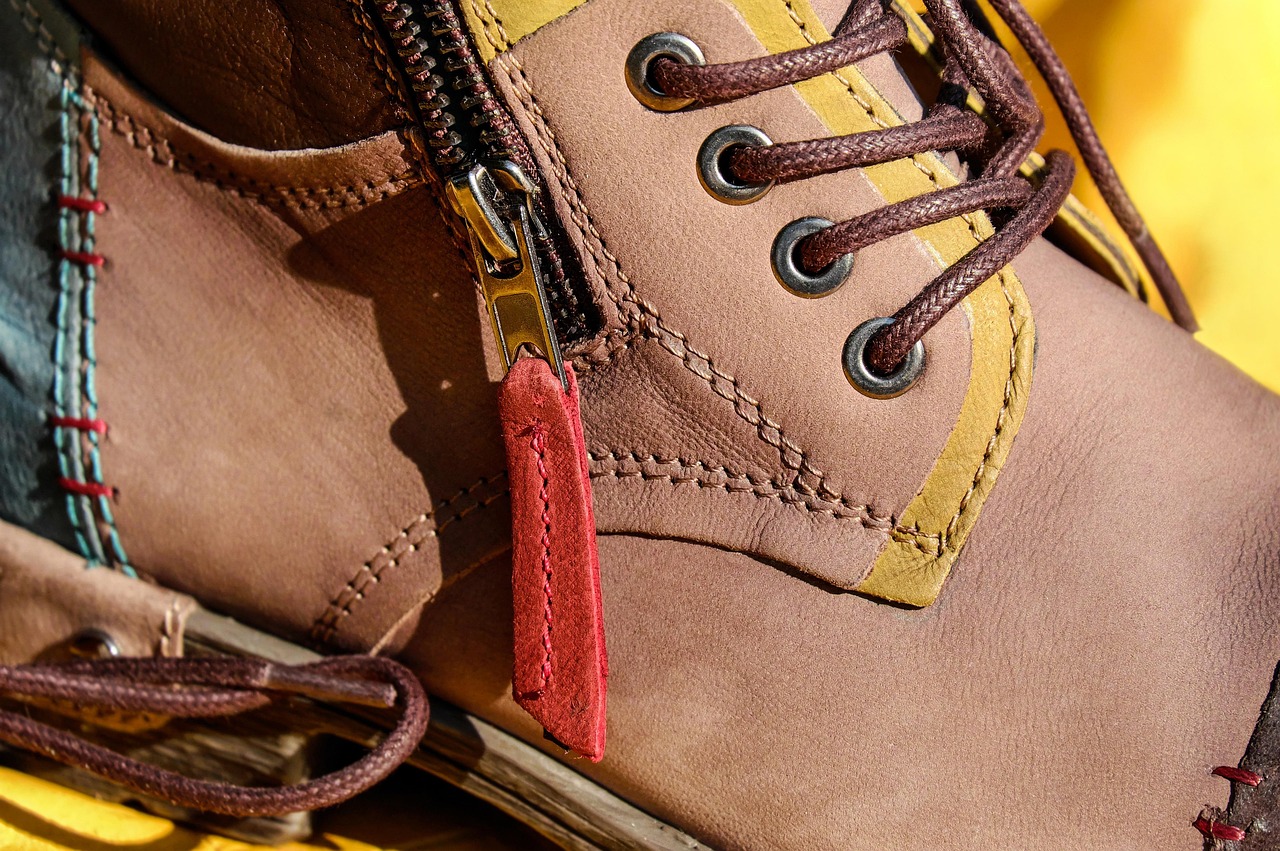
- Material: Leather, canvas, synthetic materials, rubber, and foam all have different densities and therefore, contribute differently to weight.
- Size: A larger shoe naturally requires more material, increasing its weight.
- Type of Shoe: Running shoes prioritize lightweight design, while work boots emphasize durability and protection, resulting in heavier construction.
- Features: Additional features like steel toes, waterproofing, and thick soles add weight.
Step-by-Step Guide: How Much Does A Shoe Weigh? (Different Shoe Types)
Let’s explore the typical weight ranges for various shoe types. Keep in mind these are general guidelines, and individual models can vary.
Step 1: Running Shoes
Running shoes are designed for speed and efficiency, so manufacturers prioritize lightweight construction. How much does a shoe weigh? A typical running shoe weighs between 8 and 12 ounces (227-340 grams) per shoe.

- Lightweight Trainers: 6-8 ounces (170-227 grams)
- Everyday Running Shoes: 8-10 ounces (227-283 grams)
- Stability Running Shoes: 10-12 ounces (283-340 grams)
Step 2: Walking Shoes
Walking shoes balance comfort and support, generally weighing a bit more than running shoes. Expect a range of 10 to 14 ounces (283-397 grams) per shoe.
They often have more cushioning and support features which contribute to the increased weight.
Step 3: Hiking Boots
Hiking boots are built for rugged terrain and require durable materials. How much does a shoe weigh? A single hiking boot can weigh between 1.5 to 3 pounds (680-1360 grams), or even more for heavy-duty models.
- Light Hiking Boots: 1.5 – 2 pounds (680-907 grams)
- Midweight Hiking Boots: 2 – 2.5 pounds (907-1134 grams)
- Heavyweight Hiking Boots: 2.5 – 3+ pounds (1134+ grams)
Step 4: Work Boots
Work boots prioritize safety and durability, often featuring steel toes and robust construction. This naturally leads to a heavier shoe. Expect a weight range of 2 to 4 pounds (907-1814 grams) per boot.
Features like steel shanks and puncture-resistant soles also contribute significantly to the overall weight.
Step 5: Casual Shoes (Sneakers, Loafers, etc.)
Casual shoes have a broader weight range depending on their style and materials. Lightweight canvas sneakers might weigh only 8 ounces (227 grams), while leather loafers could reach 16 ounces (454 grams) or more.
How much does a shoe weigh? This category has the most variance, so checking the product specifications is crucial.
Tips for Making Better “How Much Does A Shoe Weigh” Decisions
Understanding shoe weight is about more than just numbers. Here are some tips to help you make informed choices:
- Consider Your Activity: Prioritize lightweight shoes for activities requiring speed and agility, like running or sports.
- Think About Comfort: Heavier shoes can cause fatigue during long periods of standing or walking.
- Read Reviews: Pay attention to what other users say about the shoe’s weight and comfort.
- Check Product Specifications: Most online retailers list the weight of their shoes.
- Try Them On: If possible, try on shoes in person to get a feel for their weight and how they feel on your feet.
Common Mistakes to Avoid When Considering Shoe Weight
Here are some common pitfalls to avoid when thinking about shoe weight:
- Ignoring the Other Shoe: Shoe weight is usually listed for a single shoe. Remember to double the weight to get the total weight of the pair.
- Assuming Lighter is Always Better: While lightweight is desirable for some activities, it’s not always the best choice. Durability and support are also important.
- Not Factoring in Socks: The type of socks you wear can affect how a shoe feels. When trying on shoes, wear the type of socks you’ll typically wear with them.
- Relying Solely on Online Information: Product descriptions can be inaccurate. Always try to confirm information with multiple sources or, ideally, try the shoes on in person.
Frequently Asked Questions (FAQ)
Here are some frequently asked questions about shoe weight:
Q: How much does a toddler’s shoe weigh?
A: Toddler shoes are significantly lighter than adult shoes, typically weighing between 2 and 6 ounces per shoe.
Q: Does shoe size affect the weight significantly?
A: Yes, shoe size does affect weight. Larger sizes require more material, leading to a heavier shoe. However, the difference between adjacent sizes is usually only a fraction of an ounce.
Q: Is it better to have lighter shoes for running a marathon?
A: Generally, yes. Lighter shoes can reduce fatigue and improve running efficiency over long distances. However, it’s crucial to balance weight with adequate cushioning and support to prevent injuries.
Q: How much does a steel-toe boot weigh?
A: Steel-toe boots are among the heaviest types of footwear, typically weighing between 2.5 and 4 pounds per boot, or even more for extra-heavy-duty models.
Q: How can I make my shoes lighter?
A: You can’t significantly alter the weight of a shoe without compromising its structure or function. However, you can remove unnecessary inserts or switch to thinner socks to slightly reduce the overall weight on your feet.
Conclusion: Finding the Right Weight for Your Feet
So, how much does a shoe weigh? As you’ve learned, the answer depends entirely on the type of shoe and its intended use. Understanding the factors that influence shoe weight empowers you to make informed decisions that prioritize comfort, performance, and safety. Whether you’re searching for the lightest running shoe for your next marathon or a durable work boot for demanding job, paying attention to weight is crucial. Remember to consider your specific needs, read reviews, and try shoes on whenever possible. Happy shoe shopping!
“`

I am an accomplished footwear blogger with a keen eye for style and a passion for shoes. My deep-rooted love affair with footwear began at a young age when I would spend hours perusing shoe stores, admiring the intricate designs and imagining the stories they could tell.