Top 5 Best Shoes For Posterior Tibial Tendon Dysfunction – Reviews, Tips & Best Options

Living with Posterior Tibial Tendon Dysfunction (PTTD) can be a challenging experience, often marked by persistent pain, swelling, and a feeling of instability in the arch of your foot. This condition, which affects the tendon that supports your arch, can make even simple daily activities feel like a monumental task. The good news is that with the right support, management, and treatment, you can significantly reduce discomfort and improve your quality of life. Finding the best shoes for posterior tibial tendon dysfunction is not just about comfort; it’s about providing the crucial support and stability your feet need to heal and function properly.

The right footwear, or supportive device, plays a pivotal role in alleviating PTTD symptoms by stabilizing the arch, reducing strain on the posterior tibial tendon, and promoting proper foot alignment. While many think of “shoes” as traditional athletic or casual footwear, for PTTD sufferers, this often extends to specialized medical boots, braces, and orthotic inserts designed to offer superior support and protection. Choosing incorrectly can exacerbate the condition, leading to further pain and potential long-term issues.

In this comprehensive guide, we’ve meticulously researched and reviewed a selection of top-rated products that offer exceptional support for individuals dealing with PTTD. We understand that every foot is unique, and what works best for one person might not be ideal for another. Our aim is to provide you with detailed insights into each product’s features, benefits, and ideal use cases, empowering you to make an informed decision that brings you closer to pain-free mobility.

Comparison Table: Top Supports for PTTD

Product Name Key Features Rating Buy Now
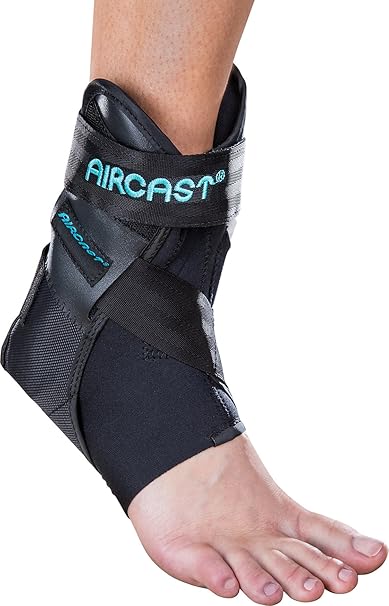
Aircast Airlift PTTD Ankle Support Brace Aircell technology for adjustable compression, anatomically designed, customizable arch support. 4.5/5 🛒 Buy
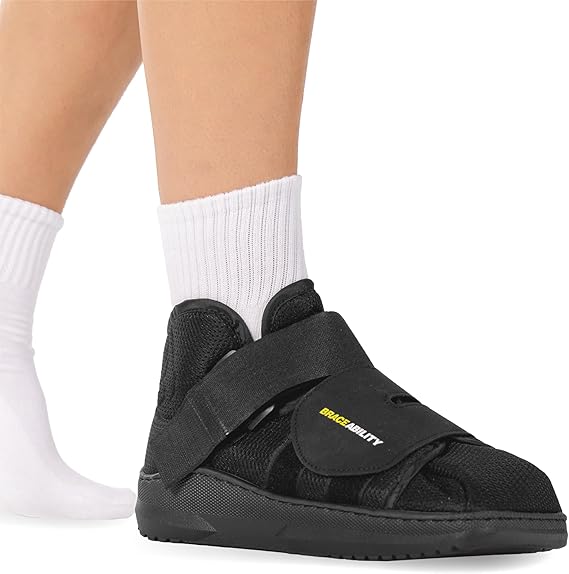
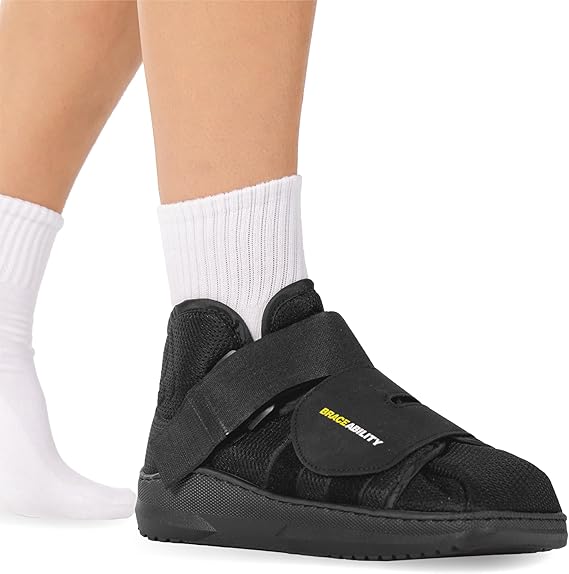
BraceAbility Closed Toe Medical Walking Boot Rigid shell for immobilization, rocker sole for natural gait, closed-toe design for protection. 4.3/5 🛒 Buy
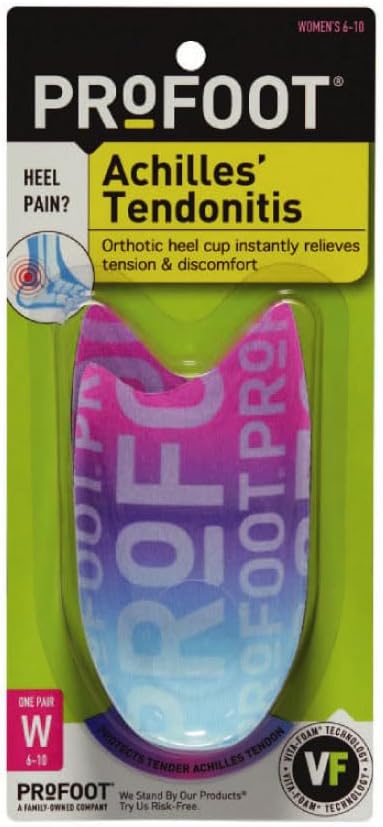
PROFOOT Achilles Tendonitis Orthotic Inserts Heel cup for stability, arch support, targeted cushioning, fits easily into most shoes. 4.2/5 🛒 Buy
BraceAbility Medical Walking Boot (Tall) Extended height for full leg immobilization, wide footbed, adjustable straps, pneumatic pump option. 4.4/5 🛒 Buy
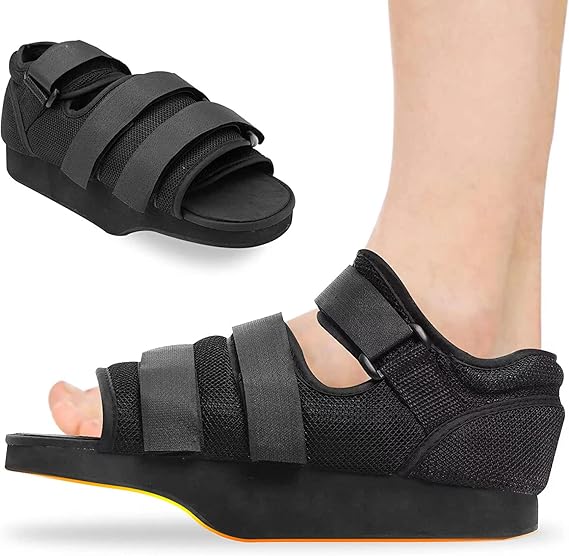
GHORTHOUD Post Op Shoes (Surgical Offloading) Forefoot offloading design, adjustable straps, wide square toe, breathable materials. 4.1/5 🛒 Buy

In-Depth Reviews

1. Aircast Airlift PTTD Ankle Support Brace

The Aircast Airlift PTTD Ankle Support Brace isn’t a shoe, but it’s an indispensable tool for managing Posterior Tibial Tendon Dysfunction, often worn inside or alongside supportive footwear. This brace is engineered to provide dynamic arch support and ankle stability, crucial for relieving strain on the affected tendon. Its innovative Aircell technology allows for adjustable compression, which helps reduce swelling and discomfort, adapting to your foot’s needs throughout the day. The brace’s design focuses on lifting and supporting the arch, preventing further collapse and promoting healing.

Key Features:

  • Integrated Aircell technology for custom compression and comfort.
  • Anatomically designed stirrups provide rigid support to the ankle.
  • Adjustable arch cell for targeted support to the medial arch.
  • Easy to apply and remove with adjustable straps.

Pros:

  • Excellent for daily wear inside most athletic or wider casual shoes.
  • Significantly reduces pain and swelling associated with PTTD.
  • Customizable support adapts to varying levels of activity and swelling.
  • Durable construction for long-term use.

Cons:

  • Can be bulky, requiring shoes with extra room.
  • May take some time to get used to wearing.

Best For: Individuals with mild to moderate PTTD looking for an effective, adjustable support brace to wear inside their existing shoes or as a primary support device during recovery.

Core Features:

  • **Dynamic Arch Support:** Lifts and stabilizes the arch, preventing pronation.
  • **Aircell Compression:** Reduces swelling and provides cushioning.
  • **Ankle Stability:** Prevents ankle rolling and provides overall foot integrity.

🛒 Buy Now

2. BraceAbility Closed Toe Medical Walking Boot

When PTTD is more severe, or after surgical intervention, a medical walking boot like the BraceAbility Closed Toe Medical Walking Boot becomes an essential piece of “footwear.” This boot provides superior immobilization and protection, crucial for healing the posterior tibial tendon. Its rigid shell prevents unwanted movement, while the closed-toe design offers excellent protection against impacts. The rocker sole facilitates a more natural walking gait, reducing strain on the injured foot and other joints, making it a vital component in recovery for those seeking the best shoes for posterior tibial tendon dysfunction during acute phases.

Key Features:

  • Rigid outer shell for maximum immobilization and protection.
  • Rocker bottom sole promotes a natural, comfortable stride.
  • Closed-toe design provides full protection for the forefoot.
  • Adjustable medical-grade fasteners ensure a secure and customizable fit.

Pros:

  • Provides unparalleled stability and protection for severe PTTD or post-op recovery.
  • Reduces pressure on the foot and ankle, aiding in pain relief.
  • Allows for gentle mobility while ensuring the tendon rests.
  • Durable and robust construction.

Cons:

  • Can be cumbersome for extended daily wear.
  • Its bulkiness makes it difficult to wear with normal clothing.

Best For: Individuals with severe PTTD, post-surgical recovery, or those requiring complete immobilization of the ankle and foot to facilitate healing.

Core Features:

  • **Full Immobilization:** Prevents movement of the ankle and foot.
  • **Protective Shell:** Shields the foot from external impact.
  • **Rocker Sole:** Supports a natural walking pattern, minimizing strain.

🛒 Buy Now

3. PROFOOT Achilles Tendonitis Orthotic Inserts

While named for Achilles tendonitis, the PROFOOT Orthotic Inserts offer significant benefits for PTTD by providing targeted arch support and heel stability within your everyday shoes. These inserts are designed to reduce strain on the posterior tibial tendon by improving foot alignment and cushioning impacts. By cradling the heel and supporting the arch, they help prevent overpronation, a common contributor to PTTD discomfort. These orthotics are an excellent choice for converting standard, neutral shoes into more supportive footwear, offering an economical solution for those seeking the best shoes for posterior tibial tendon dysfunction through an insert.

Key Features:

  • Deep heel cup provides stability and reduces heel movement.
  • Targeted arch support helps lift and align the medial arch.
  • Cushioning zones absorb shock and reduce impact on the foot.
  • Slim profile allows them to fit into most casual and athletic shoes.

Pros:

  • Offers crucial arch support and stability without needing new shoes.
  • Relieves pressure on the posterior tibial tendon.
  • Cost-effective solution compared to custom orthotics.
  • Easy to transfer between different pairs of shoes.

Cons:

  • Not suitable for severe cases requiring rigid immobilization.
  • May not fit perfectly in all shoe types, especially dress shoes.

Best For: Individuals with mild to moderate PTTD who need additional arch support and heel stability in their existing footwear, or as a preventative measure.

Core Features:

  • **Arch & Heel Support:** Prevents pronation and stabilizes the foot.
  • **Shock Absorption:** Reduces impact on the tendon and joints.
  • **Versatile Fit:** Compatible with a wide range of shoes.

🛒 Buy Now

4. BraceAbility Medical Walking Boot (Tall)

Similar to its shorter counterpart but offering extended support, the BraceAbility Medical Walking Boot (Tall) provides comprehensive immobilization from the foot up to the calf. This extended height is particularly beneficial for more severe cases of PTTD or when additional stability and protection for the lower leg are required. The boot’s wide footbed accommodates swelling and dressings, while adjustable straps ensure a snug yet comfortable fit. For those in the acute stages of PTTD recovery, this boot offers superior protection, making it a top contender among the best shoes for posterior tibial tendon dysfunction when maximum support is paramount.

See Also:  Top 5 Best Shoes For Afo Braces Adults – Detailed Review & Buyer Advice

Key Features:

  • Full-height design extends support up the calf for increased stability.
  • Wide footbed accommodates bandages, swelling, and various foot shapes.
  • Adjustable straps allow for a customizable and secure fit.
  • Optional pneumatic pump for individualized compression and comfort.

Pros:

  • Offers maximum immobilization and protection for the entire lower leg.
  • Ideal for severe PTTD or post-operative recovery where stability is critical.
  • Pneumatic option provides enhanced comfort and swelling reduction.
  • Durable construction built for rigorous use during recovery.

Cons:

  • Very bulky and heavy, impacting mobility.
  • Can be challenging to wear with everyday clothing.

Best For: Individuals with severe or advanced PTTD, complex ankle/foot injuries, or those requiring post-surgical immobilization and protection of the entire lower leg.

Core Features:

  • **Extended Immobilization:** Secures foot, ankle, and lower leg.
  • **Enhanced Protection:** Robust shell safeguards against further injury.
  • **Customizable Fit:** Adjustable straps and optional air pump for personalized support.

🛒 Buy Now

5. GHORTHOUD Post Op Shoes (Surgical Offloading)

The GHORTHOUD Post Op Shoe is a specialized piece of footwear designed primarily for forefoot offloading, which can indirectly benefit PTTD recovery by reducing overall pressure on the foot. While not a direct PTTD-specific shoe, its design minimizes pressure on the front of the foot, allowing for better healing and reduced pain, particularly if PTTD symptoms are compounded by other forefoot issues or if a more open, breathable solution is needed than a full boot. Its adjustable features and wide, square toe offer comfort and protection, making it a viable option for temporary support or light activity when full immobilization isn’t required.

Key Features:

  • Unique forefoot offloading design reduces pressure on the front of the foot.
  • Adjustable hook-and-loop straps for a secure and customized fit.
  • Wide, square toe box protects toes and accommodates bandages.
  • Breathable materials enhance comfort and reduce moisture buildup.

Pros:

  • Excellent for protecting the forefoot and reducing pressure on the arch.
  • More lightweight and less bulky than traditional walking boots.
  • Adjustable fit accommodates swelling and various foot conditions.
  • Breathable design makes it comfortable for extended wear.

Cons:

  • Does not provide the same level of ankle and arch support as a dedicated PTTD brace or boot.
  • Primarily designed for forefoot issues, so PTTD benefits are secondary.

Best For: Individuals recovering from forefoot surgery, those with concurrent forefoot issues alongside PTTD, or for light activity when less aggressive support than a full boot is needed.

Core Features:

  • **Forefoot Pressure Relief:** Shifts weight away from the front of the foot.
  • **Protective Toe Box:** Guards against impact and accommodates dressings.
  • **Breathable Comfort:** Designed for extended, comfortable wear.

🛒 Buy Now

Buying Guide: Choosing the Best Support for PTTD

Selecting the right footwear or supportive device for Posterior Tibial Tendon Dysfunction is critical for pain management and recovery. Here’s what to consider:

Arch Support is Paramount

The primary goal is to support the medial arch and prevent overpronation. Look for shoes or inserts with robust, structured arch support that cradles your foot and prevents the arch from collapsing. This reduces strain on the posterior tibial tendon.

Stability and Motion Control

For PTTD, stability is key. Seek out shoes designed with motion control features, often found in stability running shoes, that help control excessive inward rolling of the foot. A firm heel counter and a rigid sole that resists twisting are good indicators of excellent stability. Braces and medical boots offer the highest level of stability and immobilization.

Cushioning and Shock Absorption

While support is crucial, adequate cushioning helps absorb impact and reduce stress on the foot and ankle joints. Look for shoes with a balance of firmness for support and softness for comfort. Excessive cushioning without support can be detrimental.

Proper Fit is Non-Negotiable

Ill-fitting footwear can worsen PTTD. Ensure there’s enough room in the toe box, that your heel doesn’t slip, and that the shoe feels snug but not tight. If using orthotics or braces, ensure your shoe can accommodate them without feeling cramped. Always try on shoes at the end of the day when your feet are slightly swollen.

Material and Breathability

Opt for breathable materials that keep your feet dry and comfortable, especially if you’ll be wearing supportive devices for extended periods. Durable materials are also important for the longevity of your investment.

When to Consider Medical Devices

For more advanced stages of PTTD, or during post-surgical recovery, medical walking boots or specialized braces become essential. These devices offer a level of immobilization and protection that regular shoes cannot, allowing the tendon to rest and heal effectively. Consult with your healthcare provider to determine if these are appropriate for your condition.

FAQ: Posterior Tibial Tendon Dysfunction

Q1: What is Posterior Tibial Tendon Dysfunction (PTTD)?

A1: PTTD is a condition caused by inflammation or damage to the posterior tibial tendon, which runs along the inside of the ankle and foot, supporting the arch. Over time, it can lead to a flattening of the arch (adult-acquired flatfoot) and significant pain.

Q2: Can I wear regular shoes with PTTD?

A2: In mild cases, supportive regular shoes with good arch support and motion control might be sufficient, especially when combined with orthotic inserts. However, many regular shoes lack the specific support needed, and in moderate to severe cases, specialized footwear or braces are often necessary.

Q3: How do orthotics help with PTTD?

A3: Orthotics, like the PROFOOT inserts, provide crucial arch support and help control overpronation (the inward rolling of the foot). By stabilizing the foot and supporting the arch, they reduce the strain on the posterior tibial tendon, promoting healing and pain relief.

Q4: When should I consider a walking boot for PTTD?

A4: A walking boot is typically recommended for moderate to severe PTTD, after surgery, or when conservative treatments with braces and supportive shoes haven’t provided enough relief. They offer maximum immobilization and protection, allowing the tendon to rest and heal.

Q5: How long does it take for PTTD to heal?

A5: Healing time for PTTD varies greatly depending on the severity of the condition, adherence to treatment, and individual factors. Mild cases might improve in a few weeks with proper support, while severe cases or post-surgical recovery can take several months or even a year for full recovery.

Conclusion

Navigating Posterior Tibial Tendon Dysfunction requires a proactive approach, with proper footwear and support being foundational to recovery. The products reviewed here offer a range of solutions, from daily wear support to intensive immobilization, all designed to alleviate pain and promote healing.

For Best Overall Support, the Aircast Airlift PTTD Ankle Support Brace stands out for its adjustable, targeted arch and ankle support, making it an excellent daily companion for most PTTD sufferers within their existing shoes. For those on a Best Budget without compromising on essential support, the PROFOOT Achilles Tendonitis Orthotic Inserts provide a cost-effective way to upgrade the arch support and stability of your current footwear. Finally, for severe cases or post-operative care where maximum immobilization is required, the BraceAbility Medical Walking Boot (Tall) offers the most robust and comprehensive solution, earning it our pick for Best Premium Protection.

Remember, while these products can significantly aid in your recovery, always consult with a healthcare professional to determine the best course of action for your specific PTTD condition. With the right support, you can take significant steps towards a pain-free and active life.

Leave a Comment