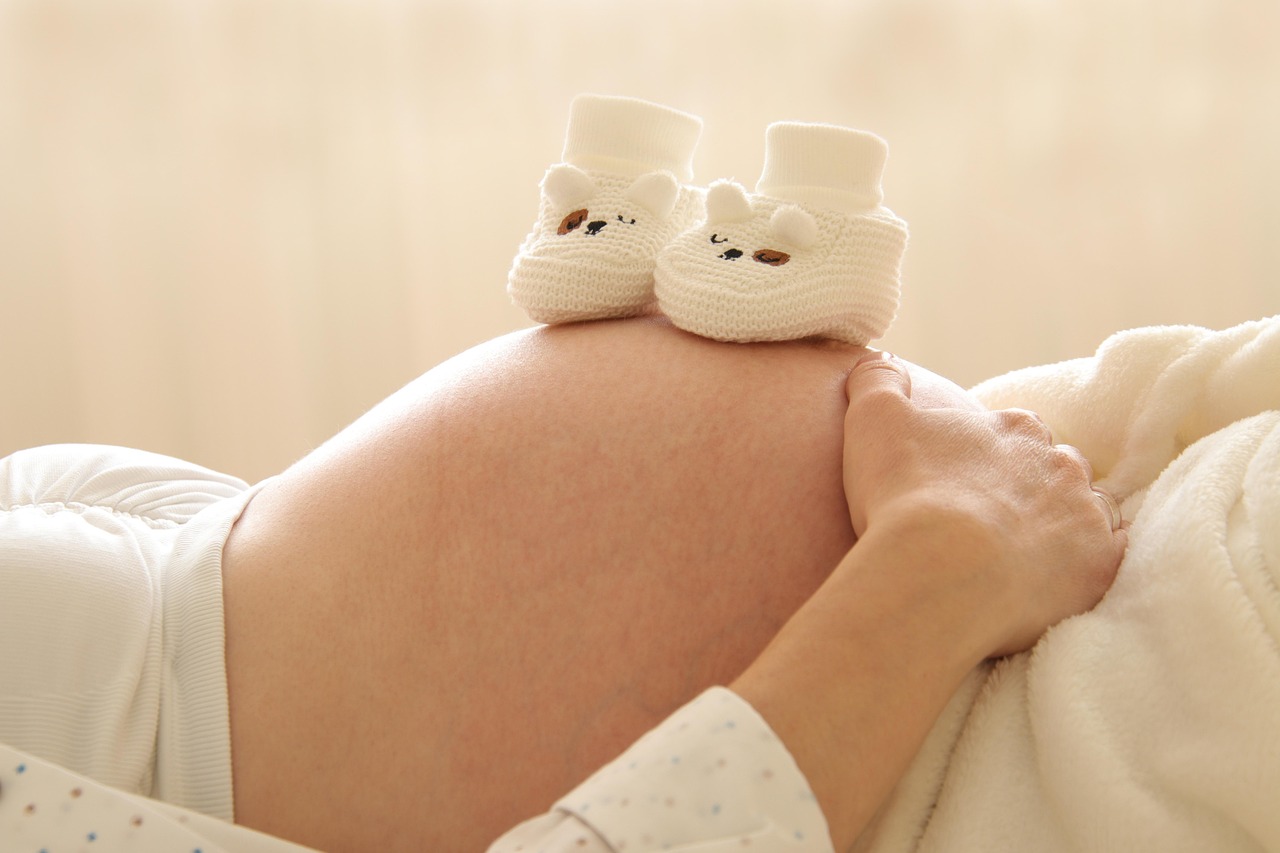
Ever wondered about the tiny shoes that protect those even tinier toes? Baby shoes, with their adorable designs and practical function, seem like they’ve always been around. But like everything else, they have a history, a journey from simple necessity to fashion statement. So, let’s dive into the fascinating world and discover: Who invented baby shoes? The answer, as you’ll see, is more nuanced than you might expect!
Contents
Unraveling the Mystery: Who Really Invented Baby Shoes?
Pinpointing a single inventor for baby shoes is tricky. Unlike the lightbulb or the telephone, the development of baby shoes was a gradual process, evolving over centuries. Instead of a single “Eureka!” moment, we see a slow progression driven by necessity and changing social norms. There wasn’t one person who woke up one morning and said “I will invent baby shoes!”
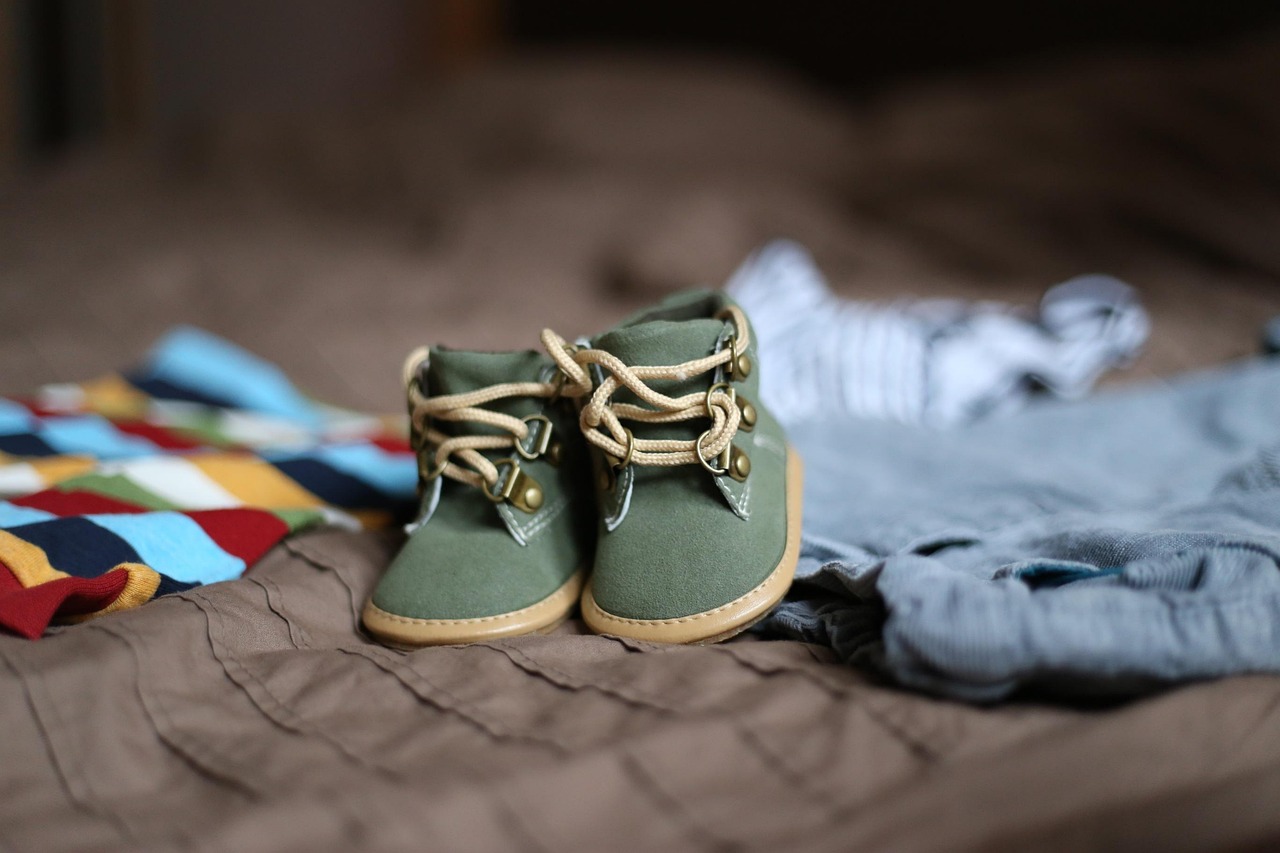
Think of it more like this: different cultures and eras contributed to the evolution of baby footwear, each adding their own unique spin. Let’s break down the key periods and influences:
Ancient Protection: The Earliest Forms of Foot Protection
- Prehistoric Times: While not specifically “shoes,” early humans undoubtedly wrapped their babies’ feet in animal skins or woven materials for warmth and protection. These weren’t structured shoes as we know them, but rather rudimentary foot coverings.
- Ancient Civilizations: Evidence suggests that civilizations like the Egyptians and Romans used simple sandals or foot wraps for infants. These were likely made from readily available materials like papyrus or leather scraps.
The Middle Ages and Beyond: Functionality Takes Center Stage
- Medieval Period: During the Middle Ages, baby shoes, or rather, coverings for the feet, became more common. They were primarily functional, designed to keep feet warm and protected from the harsh environment. Think basic leather or cloth booties.
- 16th-18th Centuries: As clothing styles evolved, so did baby footwear. Small leather shoes, often hand-stitched, began to appear. These were still largely practical, but hints of decoration started to emerge.
The 19th Century: Mass Production and the Rise of the Baby Shoe Industry
- Industrial Revolution: The 19th century marked a turning point. The Industrial Revolution brought about mass production, making shoes more accessible to the general population. Cobblers and small workshops started producing baby shoes in larger quantities.
- Early Manufacturing: While we can’t credit one person, several shoemaking companies emerged during this period, contributing significantly to the design and production of baby shoes. These companies, often family-owned, experimented with different materials and construction techniques.
20th Century and Beyond: Style and Specialized Needs
- Modern Era: The 20th and 21st centuries witnessed an explosion of baby shoe designs. From soft-soled pre-walking shoes to sturdy walking shoes, the market caters to every stage of development.
- Focus on Foot Health: Today, pediatricians and podiatrists play a crucial role in advising on appropriate footwear for babies and toddlers, emphasizing the importance of proper support and flexibility for healthy foot development.
Tips for Choosing the Best Baby Shoes
Now that you know a little about the history, here are some tips for choosing the right shoes for your little one:
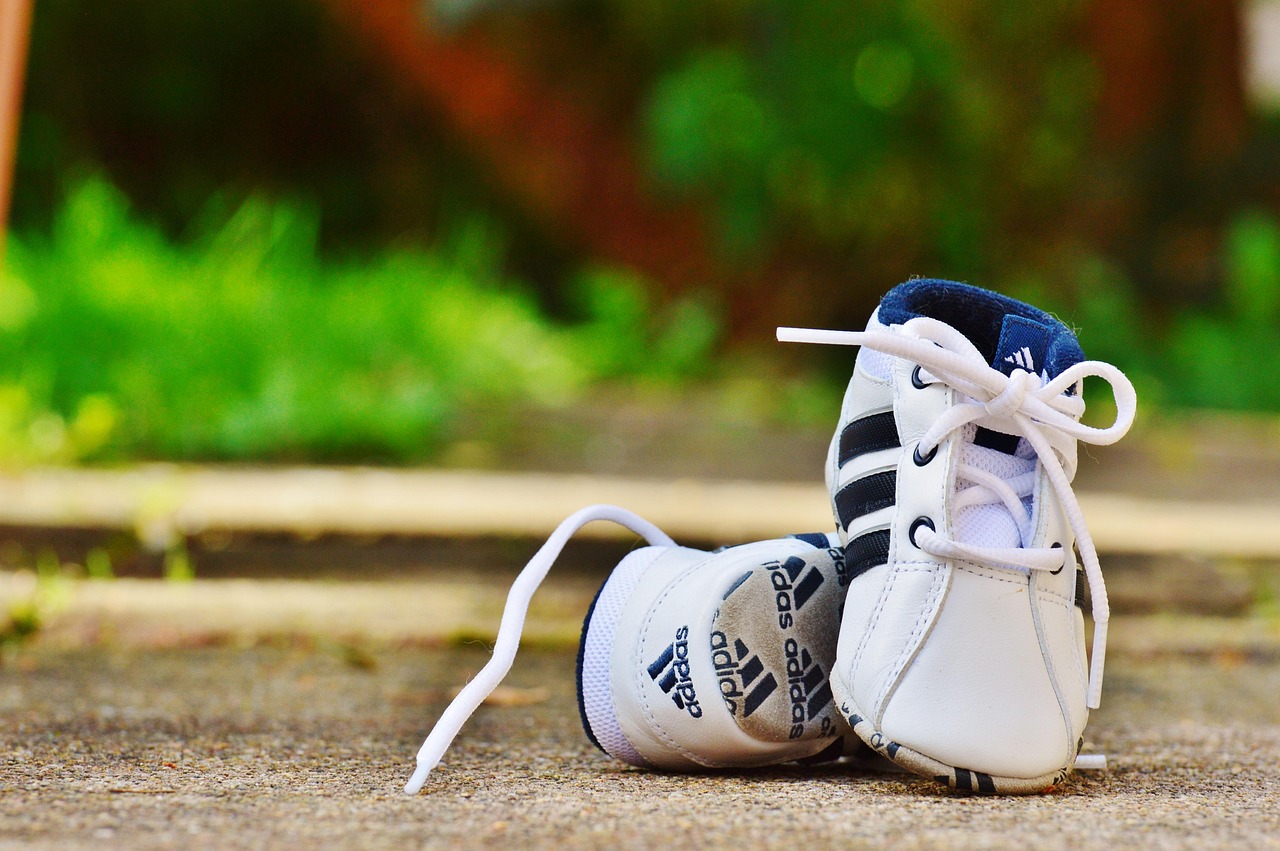
- Prioritize Softness and Flexibility: Look for shoes made from soft, breathable materials like leather or canvas. The sole should be flexible enough to allow natural foot movement.
- Proper Fit is Key: Ensure the shoes fit comfortably, leaving enough room for toes to wiggle. Avoid shoes that are too tight, as they can restrict foot growth.
- Consider the Stage of Development: For pre-walkers, soft-soled shoes or even socks are sufficient. As your baby starts to walk, choose shoes with a slightly more structured sole for added support.
- Check for Durability: Babies are tough on shoes! Opt for well-made shoes that can withstand wear and tear.
Common Mistakes to Avoid When Buying Baby Shoes
It’s easy to get caught up in the cuteness, but avoid these common pitfalls:
- Buying Shoes That are Too Big: Resist the urge to buy shoes that your baby will “grow into.” Shoes that are too big can cause tripping and improper foot development.
- Choosing Style Over Function: While adorable, overly embellished shoes might not be the best choice for everyday wear. Prioritize comfort and functionality.
- Ignoring Breathability: Shoes made from synthetic materials can trap moisture and lead to foot problems. Opt for breathable materials.
- Forcing Shoes on a Reluctant Baby: If your baby consistently pulls off their shoes, they might be uncomfortable. Re-evaluate the fit and style.
Frequently Asked Questions (FAQ)
Let’s answer some common questions about baby shoes:
- When should my baby start wearing shoes? Generally, babies don’t need shoes until they start walking outdoors. Indoors, socks or bare feet are perfectly fine.
- What are pre-walking shoes? Pre-walking shoes are soft-soled shoes designed to protect a baby’s feet without restricting movement. They’re ideal for babies who are crawling or cruising.
- How often should I replace my baby’s shoes? Babies’ feet grow rapidly, so it’s important to check the fit of their shoes every few weeks. You’ll likely need to replace them every few months.
- Are expensive baby shoes worth it? Not necessarily. Focus on quality materials, proper fit, and functionality rather than brand name.
- What should I look for in a first walking shoe? A good first walking shoe should be lightweight, flexible, and have a non-slip sole. It should also provide adequate support without being too stiff.
Conclusion: A Journey Through Baby Shoe History
So, who invented baby shoes? The answer is a collective effort, a story woven through centuries of necessity, innovation, and evolving fashion. While we can’t point to a single inventor, we can appreciate the journey of these tiny foot coverings from simple protection to the stylish and functional footwear we see today. Remember to prioritize your baby’s comfort and foot health when choosing shoes, and enjoy watching them take their first steps in the world!
“`

I am an accomplished footwear blogger with a keen eye for style and a passion for shoes. My deep-rooted love affair with footwear began at a young age when I would spend hours perusing shoe stores, admiring the intricate designs and imagining the stories they could tell.