Ever wondered about that unsung hero beneath your feet, the part of your shoe that takes all the pounding? We’re talking about the sole! It’s more than just the bottom; it’s a complex component crucial to comfort, durability, and even style. Understanding “What Is The Sole Of A Shoe” is key to choosing the right footwear for any activity.
This guide will take you on a journey from the basic definition of a shoe sole to the nitty-gritty details of its construction, materials, and importance. Get ready to step up your shoe game!
Contents
- 1 Understanding: What Is The Sole Of A Shoe?
- 2 Materials Matter: What Are Shoe Soles Made Of?
- 3 Choosing the Right Sole: Factors to Consider
- 4 Tips for Making Better “What Is The Sole Of A Shoe” Choices
- 5 Common Mistakes to Avoid When Choosing Shoe Soles
- 6 Frequently Asked Questions (FAQ)
- 7 Conclusion: Step Forward with Confidence
Understanding: What Is The Sole Of A Shoe?
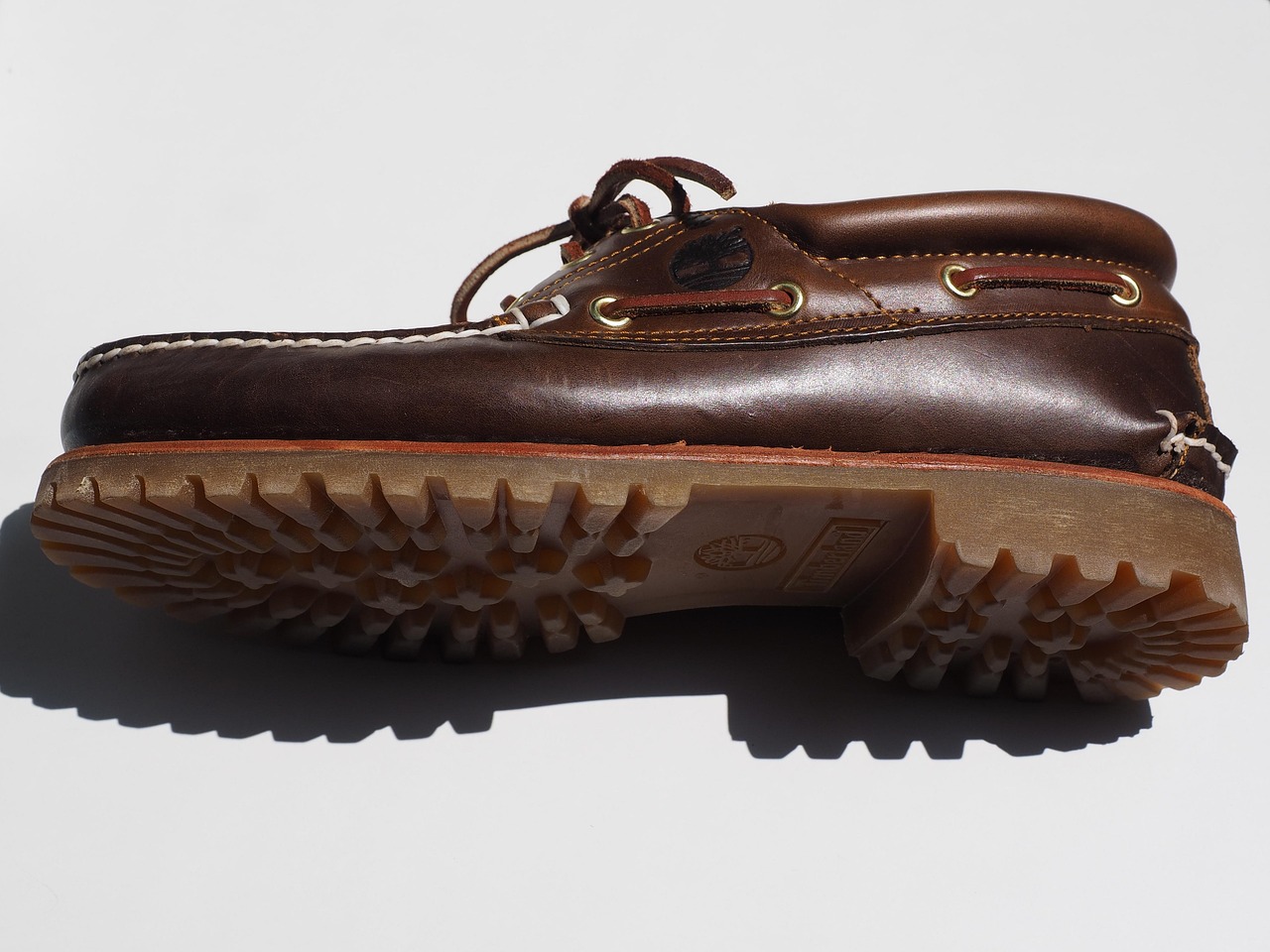
Simply put, the sole of a shoe is the bottom part that comes into direct contact with the ground. It’s designed to provide traction, cushioning, and protection for your feet. But it’s not always just one layer! Shoe soles can be surprisingly complex, often consisting of multiple layers with different functions.
Think of it like this: the sole is the foundation of your shoe, and a good foundation is essential for a comfortable and supportive experience.
Anatomy of a Shoe Sole: Breaking It Down
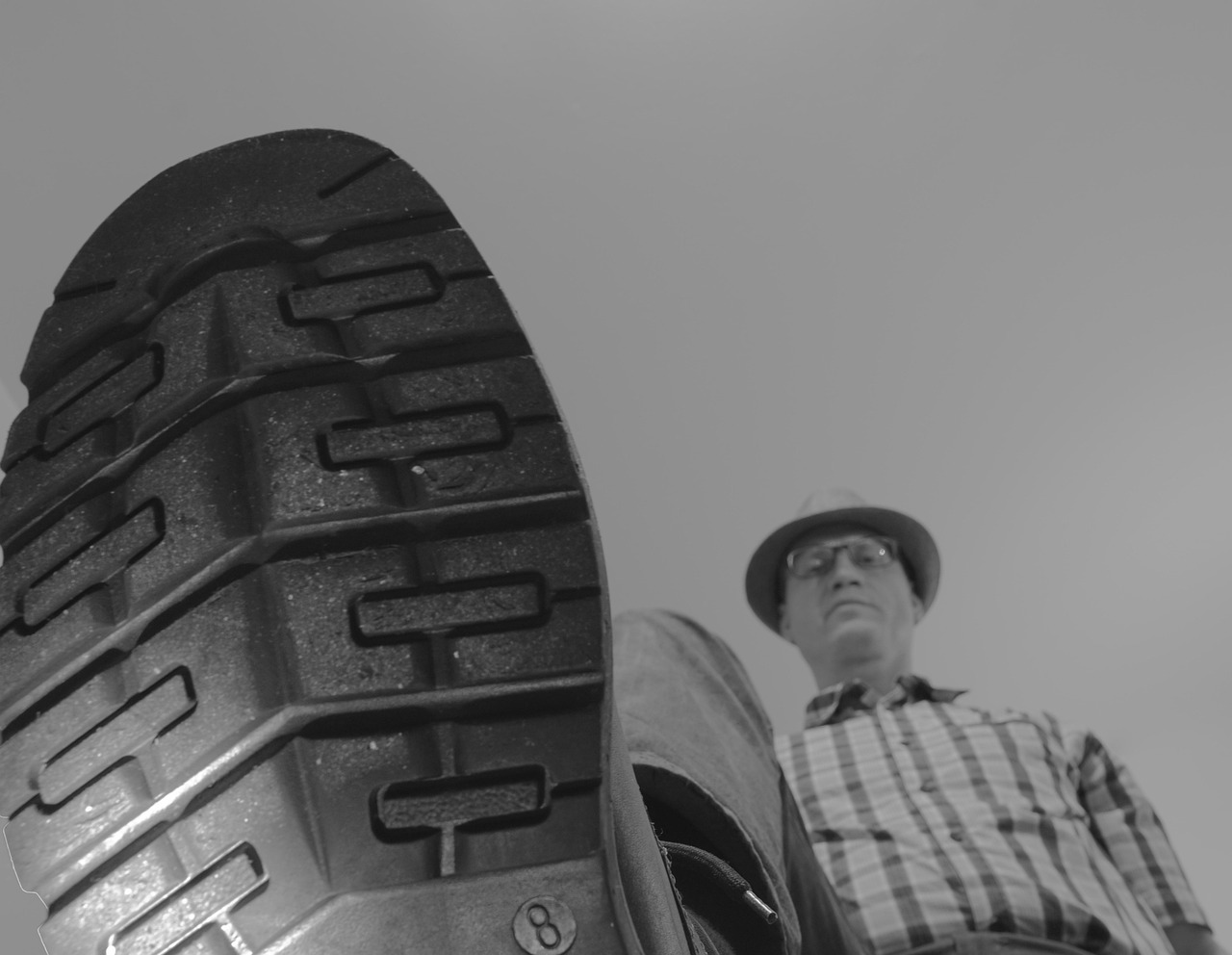
To truly understand “What Is The Sole Of A Shoe”, let’s dissect its components:
- Outsole: This is the outermost layer, the one that actually touches the ground. It’s designed for durability, traction, and resistance to abrasion.
- Midsole: Located between the outsole and the insole, the midsole provides cushioning and shock absorption. This is where a lot of the “comfort” of a shoe comes from.
- Insole (Sockliner): This is the removable layer inside the shoe that your foot rests upon. It provides additional cushioning and support and can often be replaced for a customized fit.
- Shank (Optional): This is a supportive piece usually made of steel, fiberglass, or plastic, embedded within the sole to provide arch support and stability. It’s often found in dress shoes and work boots.
Materials Matter: What Are Shoe Soles Made Of?
The material used to construct a shoe sole significantly impacts its performance and longevity. Here are some common materials:
- Rubber: Durable, slip-resistant, and widely used for outsoles in various types of shoes. Different types of rubber exist, each with varying degrees of abrasion resistance and grip.
- Thermoplastic Polyurethane (TPU): Offers excellent abrasion resistance and flexibility, making it suitable for high-performance athletic shoes.
- Ethylene-Vinyl Acetate (EVA): A lightweight and flexible foam commonly used for midsoles, providing cushioning and shock absorption.
- Polyurethane (PU): More durable and denser than EVA, offering better support and stability, often used in midsoles and outsoles.
- Leather: A classic material for dress shoes, offering a sophisticated look but generally less durable and slip-resistant than rubber.
- Cork: Eco-friendly and provides good cushioning and insulation.
Choosing the Right Sole: Factors to Consider
Selecting the right shoe sole depends on the intended use of the shoe. Consider these factors:
- Activity: Running shoes need different soles than hiking boots or dress shoes.
- Terrain: Consider the type of surfaces you’ll be walking on. For example, trail running requires aggressive tread patterns for grip.
- Weather Conditions: Some soles perform better in wet or icy conditions.
- Foot Type: Consider your arch type and pronation to choose a sole that provides adequate support and stability.
- Durability: If you need a long-lasting sole, opt for materials like rubber or TPU.
Tips for Making Better “What Is The Sole Of A Shoe” Choices
Here are some pro tips to help you make informed decisions when choosing shoes:
- Read Reviews: See what other users say about the sole’s performance and durability.
- Consider the Tread Pattern: Aggressive tread patterns provide better traction on uneven surfaces.
- Look for Specific Features: Some soles have features like air pockets or gel inserts for enhanced cushioning.
- Think About Weight: A lighter sole can reduce fatigue during prolonged activities.
- Don’t Ignore Aesthetics: While performance is key, choose a sole that complements the overall style of the shoe.
Common Mistakes to Avoid When Choosing Shoe Soles
Avoid these common pitfalls to ensure you choose the right sole for your needs:
- Prioritizing Style Over Function: Don’t sacrifice comfort and performance for looks alone.
- Ignoring Foot Type: Choose a sole that supports your arch and addresses any pronation issues.
- Failing to Consider the Intended Use: A running shoe sole is not suitable for hiking.
- Assuming All Soles Are Created Equal: Different materials and construction methods significantly impact performance.
- Neglecting to Replace Worn Soles: Worn soles lose their traction and cushioning, increasing the risk of injury.
Frequently Asked Questions (FAQ)
What is the difference between a midsole and an outsole?
The outsole is the bottom layer that contacts the ground, providing traction and durability. The midsole sits between the outsole and insole, offering cushioning and shock absorption.
How often should I replace my shoes based on sole wear?
It depends on usage, but generally, running shoes should be replaced every 300-500 miles. Look for signs of wear, such as flattened tread or compressed cushioning.
What type of sole is best for hiking?
Rubber outsoles with aggressive tread patterns provide the best traction and durability for hiking on various terrains.
Can I repair a damaged shoe sole?
Minor damage can sometimes be repaired by a shoe repair professional. However, severely damaged soles may require shoe replacement.
Are there eco-friendly shoe sole options?
Yes, some manufacturers use recycled rubber, cork, or other sustainable materials for shoe soles.
Conclusion: Step Forward with Confidence
Understanding “What Is The Sole Of A Shoe” empowers you to make informed choices that impact your comfort, performance, and overall foot health. By considering the materials, construction, and intended use, you can select the perfect sole for any activity. So, next time you’re shopping for shoes, pay attention to that unsung hero beneath your feet – the sole! Your feet will thank you for it.
“`

I am an accomplished footwear blogger with a keen eye for style and a passion for shoes. My deep-rooted love affair with footwear began at a young age when I would spend hours perusing shoe stores, admiring the intricate designs and imagining the stories they could tell.