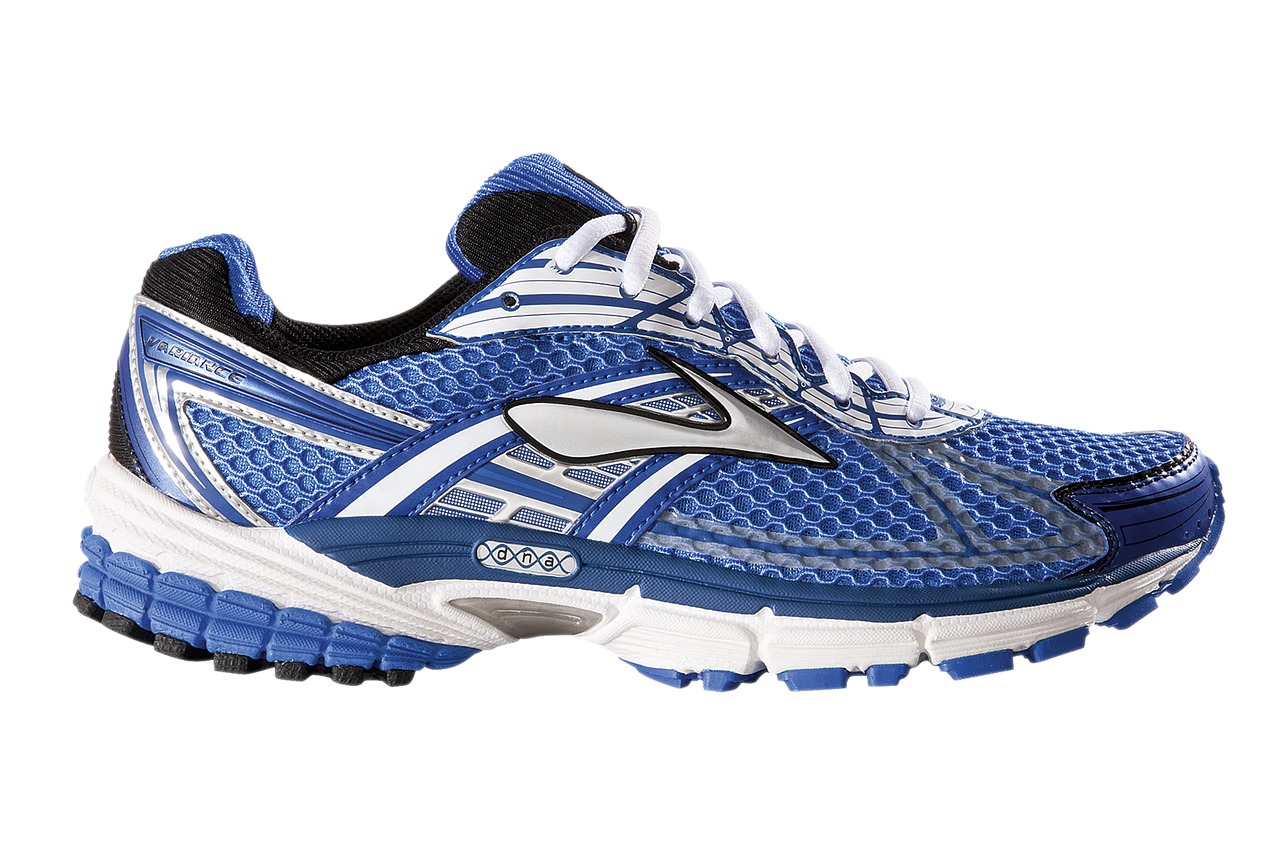
Ever stared at a shoe box and wondered what all those letters and numbers actually mean? You’re not alone! Shoe sizing can feel like cracking a secret code, especially when you come across that mysterious “M.” So, what does M mean in shoe size? It’s simpler than you think. In most cases, “M” stands for Medium width. This guide will break down everything you need to know about shoe widths, helping you find the perfect fit and say goodbye to uncomfortable shoes forever.
Contents
Understanding Shoe Widths: Beyond the Length
We often focus on the numerical shoe size, which indicates the length of the shoe. But width is equally important for comfort and foot health. A shoe that’s too narrow can pinch and cause blisters, while one that’s too wide can lead to slipping and instability. Shoe widths are typically indicated by letters, and these letters vary depending on gender.

Here’s a general overview:
- Men’s Widths: Typically range from 2A (narrowest) to 6E (widest). Common widths include:
- 2A: Narrow
- B: Narrow
- D: Medium (Standard)
- 2E: Wide
- 4E: Extra Wide
- 6E: Extra Extra Wide
- Women’s Widths: Also range from 4A (narrowest) to 2E (widest), but the letter designations differ slightly:
- 4A: Extra Narrow
- 2A: Narrow
- B: Medium (Standard)
- D: Wide
- 2E: Extra Wide
Step-by-Step Guide: Deciphering “M” and Other Shoe Widths
Now, let’s dive deeper into understanding shoe widths and how to find the right one for you:
Step 1: Understanding “What Does M Mean In Shoe Size”
As we’ve established, “M” usually signifies a medium width. For men, “D” is typically the equivalent of a medium width. For women, “B” is the standard medium width. So, if you see an “M” on a shoe box, it generally indicates that the shoe is designed for a foot of average width.
Step 2: Measuring Your Foot Width
To determine your ideal shoe width, you’ll need to measure your foot. Here’s how:
- Place a piece of paper on a hard floor against a wall.
- Stand with your heel against the wall and your foot flat on the paper.
- Have someone trace your foot carefully.
- Use a ruler or measuring tape to measure the widest part of your foot in inches or centimeters.
Step 3: Consulting a Shoe Width Chart
Once you have your foot width measurement, consult a shoe width chart. These charts are readily available online and at shoe stores. They’ll help you determine the appropriate width designation (e.g., 2A, B, D, 2E) based on your measurement and shoe size. Keep in mind that these charts can vary slightly between brands, so it’s always best to check the specific brand’s chart if possible.
Step 4: Considering the Shoe Type
The type of shoe you’re buying can also influence the ideal width. For example, athletic shoes often have a more snug fit, while dress shoes might offer a bit more room. Consider the intended use of the shoe when selecting the width.
Step 5: Trying on Shoes
The best way to ensure a proper fit is to try on shoes in person. Walk around the store to see how the shoes feel. Pay attention to whether your toes have enough room to wiggle and whether the shoe feels snug but not tight across the widest part of your foot.
Tips for Making Better “What Does M Mean In Shoe Size” Decisions
Here are some additional tips to help you find the perfect shoe width:
- Shop at stores with knowledgeable staff: They can help you measure your feet and recommend appropriate widths.
- Consider your sock thickness: If you typically wear thick socks, measure your feet while wearing them.
- Shop later in the day: Your feet tend to swell throughout the day, so shopping later ensures a more accurate fit.
- Don’t assume your size: Foot size can change over time, so it’s always a good idea to get your feet measured regularly.
Common Mistakes to Avoid When Determining Shoe Width
Avoid these common pitfalls when selecting shoe widths:
- Ignoring width altogether: Focusing solely on length can lead to discomfort and foot problems.
- Assuming all brands fit the same: Sizing can vary significantly between brands.
- Buying shoes that are too small in the hope they’ll stretch: This can cause blisters and other foot problems.
- Not considering the shape of your feet: Some people have wider forefeet or narrower heels, which can affect the ideal fit.
Frequently Asked Questions (FAQ)
Here are some frequently asked questions about shoe widths:
Q: What if I’m between widths?
A: If you’re between widths, it’s generally best to go with the wider size. You can always add insoles to take up extra space if needed.
Q: How do I know if my shoes are too narrow?
A: Signs of shoes that are too narrow include pinching, blisters, and numbness in your toes.
Q: Can I stretch shoes that are too narrow?
A: While some shoes can be stretched slightly, it’s generally not recommended to rely on stretching to make shoes fit properly. It’s better to buy shoes that fit correctly from the start.
Q: Do shoe widths vary by style?
A: Yes, shoe widths can vary by style. For example, boots often have a wider fit than dress shoes.
Q: What if I have bunions or other foot problems?
A: If you have bunions or other foot problems, it’s important to choose shoes with a wide toe box and consider consulting a podiatrist for recommendations.
Conclusion: Finding the Perfect Fit
Understanding what does M mean in shoe size, along with other width designations, is crucial for finding comfortable and supportive footwear. By measuring your feet, consulting a shoe width chart, and trying on shoes in person, you can ensure a perfect fit. Remember to consider the type of shoe, your sock thickness, and any individual foot problems you may have. With a little knowledge and attention to detail, you can say goodbye to uncomfortable shoes and hello to happy, healthy feet!

I am an accomplished footwear blogger with a keen eye for style and a passion for shoes. My deep-rooted love affair with footwear began at a young age when I would spend hours perusing shoe stores, admiring the intricate designs and imagining the stories they could tell.