
Ever browsed the kids’ shoe section and wondered, “What does Gs mean in shoes?” You’re not alone! It’s a common question, and deciphering those size designations can feel like cracking a secret code. This guide will break down the mystery of “Gs” in shoe sizes, helping you find the perfect fit for your little one.
Buying shoes for kids can be tricky. Sizes vary between brands, and understanding the sizing system itself can be confusing. Let’s dive into understanding “Gs” and other common shoe size terms.
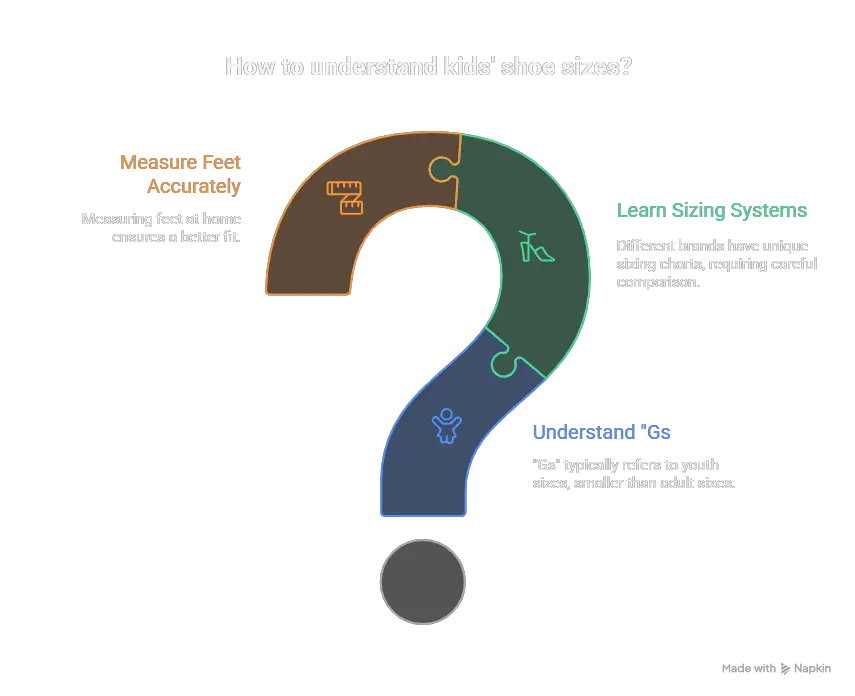
Contents
Understanding Shoe Sizing: A Step-by-Step Guide
Let’s demystify the world of kids’ shoe sizes, with a focus on what “Gs” signifies. Here’s a step-by-step guide to help you navigate the shoe aisle with confidence.
Step 1: The Basics of Kids’ Shoe Sizes
Kids’ shoe sizes typically range from infant sizes (starting around size 0) to youth sizes (going up to around size 7 or 8). These sizes are generally numbered sequentially, but there are subdivisions within these categories, like toddlers and pre-schoolers, which can sometimes overlap.
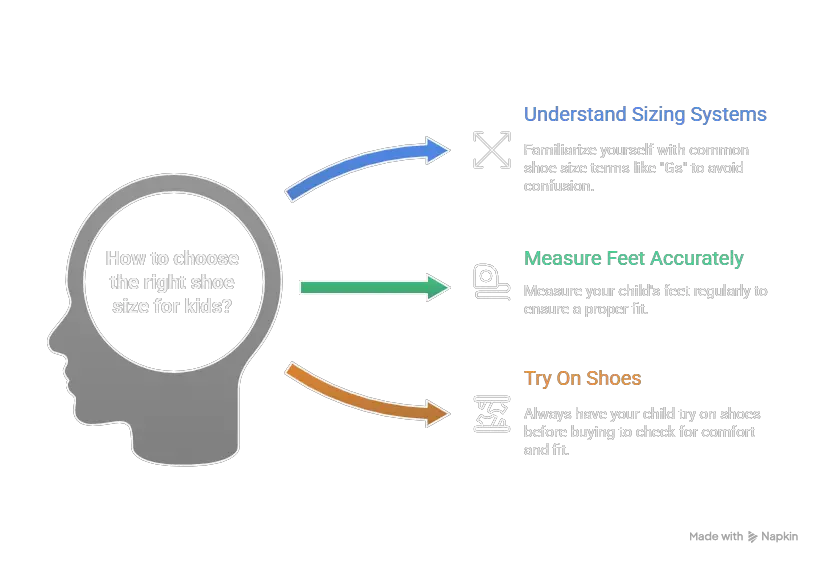
Understanding the general age range associated with different sizes is helpful, but remember that every child’s foot grows at their own pace. Don’t rely solely on age as your guide.
Step 2: Decoding “Gs” – What Does Gs Mean In Shoes Specifically?
When you see “Gs” in the context of kids’ shoes, it almost always refers to **Grade School** sizes. Grade School shoes are designed for older children and pre-teens, usually those who have outgrown toddler and pre-school sizes.
Think of it like this:
- Infant/Toddler: Tiny feet, often learning to walk.
- Pre-School: More active, need comfortable and supportive shoes.
- Grade School (Gs): Active kids, often involved in sports and requiring durable shoes.
Essentially, “Gs” indicates a larger size range, typically fitting kids aged around 8-12 years old, but it’s always best to check the specific brand’s size chart.
Step 3: Finding the Right Fit in “Gs” Shoes
Simply knowing that “Gs” means Grade School isn’t enough – you still need to ensure a proper fit. Here’s how:
- Measure the Foot: Use a ruler or shoe-sizing device to measure the length of your child’s foot in inches or centimeters.
- Consult the Size Chart: Every brand has its own size chart that correlates foot length with shoe size. Find the brand’s chart and match your measurement to the appropriate “Gs” size.
- Consider Width: Shoe sizes also come in different widths (e.g., narrow, medium, wide). If your child has particularly wide or narrow feet, look for shoes that offer width options.
- Try Them On: The best way to ensure a good fit is to have your child try the shoes on while wearing socks.
- Check for Wiggle Room: There should be about a thumb’s width of space between the end of the longest toe and the end of the shoe.
Step 4: Beyond “Gs” – Other Common Shoe Sizing Terms
While understanding “Gs” is crucial, you might encounter other terms in the kids’ shoe section. Here are a few to be aware of:
- Y: Often used interchangeably with “Gs,” especially in athletic shoe brands. It stands for “Youth.”
- W: Indicates “Wide” width.
- M: Indicates “Medium” width (the most common).
Knowing these terms will further empower you to make informed decisions when buying shoes.
Tips for Making Better “What Does Gs Mean In Shoes” Choices
Here are some extra tips to help you choose the best “Gs” or Grade School shoes for your child:
- Consider the Activity: Choose shoes appropriate for the activities your child will be participating in. Running shoes for sports, sturdy boots for hiking, etc.
- Prioritize Comfort: Look for shoes with good cushioning and support, especially for active kids.
- Check the Materials: Breathable materials like mesh can help prevent sweaty feet.
- Involve Your Child: Let your child have a say in the style and color of their shoes (within reason!). This can make them more likely to wear them.
- Read Reviews: See what other parents are saying about the fit and durability of specific shoe brands and models.
Common Mistakes to Avoid When Buying “Gs” Shoes
Steer clear of these common mistakes to ensure your child’s feet are happy and healthy:
- Buying Shoes That Are Too Big: Resist the urge to buy shoes a size too big, hoping your child will grow into them. This can lead to blisters and foot problems.
- Ignoring Width: Squeezing a wide foot into a narrow shoe is a recipe for discomfort.
- Relying Solely on the Number Size: Remember that sizes vary between brands. Always consult the size chart.
- Not Checking for Wiggle Room: Ensure there’s enough space for the toes to move freely.
- Ignoring Your Child’s Feedback: If your child says the shoes are uncomfortable, take their concerns seriously.
Frequently Asked Questions (FAQ)
Here are some frequently asked questions about “Gs” and kids’ shoe sizes:
Q: What age range is “Gs” typically for?
A: “Gs” (Grade School) typically fits children aged around 8-12 years old, but it’s best to check the specific brand’s size chart as sizes can vary.
Q: Is “Gs” the same as “Y”?
A: Yes, “Gs” and “Y” (Youth) are often used interchangeably, especially in athletic shoe brands, to indicate Grade School sizes.
Q: What does Gs mean in shoes if the shoe also has a number?
A: The “Gs” indicates that it’s a Grade School shoe, and the number represents the specific size within that range (e.g., 4Gs, 5Gs, 6Gs).
Q: How can I accurately measure my child’s foot for shoe size?
A: Have your child stand on a piece of paper and trace their foot. Then, measure the length from the heel to the longest toe. Compare this measurement to the brand’s size chart.
Q: My child’s feet are different sizes. Which size shoe should I buy?
A: Always buy shoes based on the larger foot. You can use an insole in the shoe for the smaller foot to ensure a comfortable fit.
Conclusion: Finding the Perfect Fit
Understanding shoe sizing, including what does Gs mean in shoes, is crucial for ensuring your child’s comfort and foot health. Remember to measure their feet regularly, consult size charts, and prioritize a good fit. By following these tips, you can confidently navigate the kids’ shoe section and find the perfect pair for your growing child. Happy shoe shopping!
“`

I am an accomplished footwear blogger with a keen eye for style and a passion for shoes. My deep-rooted love affair with footwear began at a young age when I would spend hours perusing shoe stores, admiring the intricate designs and imagining the stories they could tell.