Let’s face it, our shoes take us places. They trek through city streets, dusty trails, and even the occasional questionable puddle. All that adventuring means our footwear can become a breeding ground for bacteria, fungi, and other unwelcome guests. Learning how to disinfect shoes is essential for maintaining good hygiene and preventing the spread of germs, especially when dealing with foot infections like athlete’s foot or just wanting to keep your shoes smelling fresh. Don’t worry; it’s easier than you think!
This guide will walk you through the best methods for disinfecting your shoes, ensuring they’re clean, fresh, and ready for your next adventure. We’ll cover everything from everyday cleaning to tackling more stubborn germs and odors. Get ready to say goodbye to shoe germs and hello to happy, healthy feet!
Contents
Step-by-Step Guide: How To Disinfect Shoes Effectively
Here’s a breakdown of the best methods for disinfecting your shoes, tailored to different materials and levels of grime. Remember to always test any cleaning solution on a small, inconspicuous area of the shoe first to ensure it doesn’t cause discoloration or damage.
1. Prepping Your Shoes for Disinfection
Before you dive into disinfecting, a little prep work goes a long way. This ensures the disinfectant can reach all the nooks and crannies.
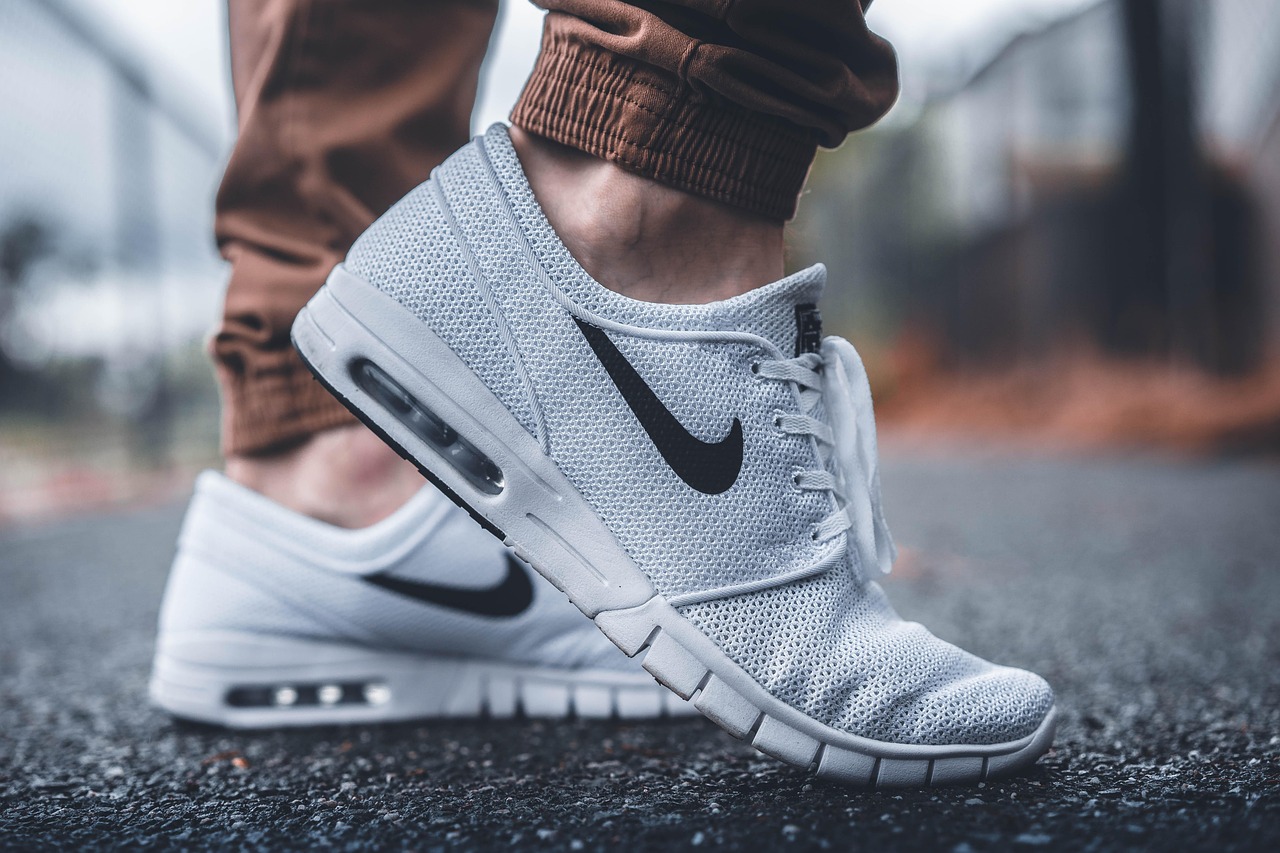
- Remove the laces and insoles: These harbor a lot of bacteria and are easier to clean separately. Wash laces in the washing machine or by hand with soap and water. Insoles can be washed similarly or replaced altogether if they’re particularly worn.
- Brush off loose dirt and debris: Use a soft brush or old toothbrush to remove any visible dirt, mud, or grime from the outside of the shoes. Pay attention to the soles and any crevices.
- Air them out: Allow your shoes to air out for a few hours (or even overnight) to help dry out any moisture. Moisture breeds bacteria, so this step is crucial.
2. Choosing Your Disinfection Method
The best disinfection method depends on the shoe material and the level of cleaning needed. Here are a few options:
a. Using Disinfectant Sprays
Disinfectant sprays are a quick and easy way to kill germs on your shoes. Look for sprays that are EPA-registered and specifically designed for disinfecting surfaces. Lysol and similar products work well.
- Spray thoroughly: Spray the entire shoe, inside and out, ensuring you cover all surfaces.
- Let it dry: Allow the disinfectant to air dry completely before wearing the shoes. This usually takes around 10-15 minutes.
- Repeat regularly: For ongoing maintenance, spray your shoes after each wear, especially if you’ve been in a high-risk environment.
b. Applying Disinfectant Wipes
Disinfectant wipes are another convenient option, especially for quick cleanups on the go. Like sprays, choose wipes that are EPA-registered.
- Wipe down all surfaces: Thoroughly wipe down the entire shoe, inside and out, with the disinfectant wipe.
- Dispose properly: Discard the wipe in the trash after use.
- Allow to air dry: Let the shoes air dry completely before wearing them.
c. Washing Machine Method (For Washable Shoes)
Some shoes, like canvas sneakers and some athletic shoes, can be safely washed in the washing machine. Always check the manufacturer’s instructions first!
- Place shoes in a mesh laundry bag: This will protect them from damage during the wash cycle.
- Wash with detergent and a disinfectant: Use a mild detergent and add a cup of white vinegar or a laundry sanitizer to the wash cycle for added disinfection.
- Use a cold or gentle cycle: Avoid using hot water, as it can damage some shoe materials.
- Air dry completely: Never put shoes in the dryer, as the heat can warp or damage them. Stuff them with paper towels to help them maintain their shape and absorb moisture.
d. Using UV Shoe Sanitizers
UV shoe sanitizers use ultraviolet light to kill bacteria and fungi inside your shoes. These devices are becoming increasingly popular for their ease of use and effectiveness.
- Follow the manufacturer’s instructions: Each device will have specific instructions for use, so read them carefully.
- Place the device inside the shoe: Most UV sanitizers are designed to fit inside the shoe.
- Run the sanitizing cycle: The cycle typically lasts for a few minutes.
3. Dealing with Stubborn Odors
Even after disinfecting, some shoes may still retain unpleasant odors. Here are a few tips for tackling stubborn shoe smells:
- Baking soda: Sprinkle baking soda inside the shoes and let it sit overnight. Vacuum out the baking soda in the morning. Baking soda absorbs odors and moisture.
- Activated charcoal: Place activated charcoal shoe inserts or pouches inside the shoes to absorb odors.
- Essential oils: Add a few drops of tea tree oil or eucalyptus oil to a cotton ball and place it inside the shoe overnight. These oils have antibacterial and antifungal properties.
- Freezing: Place the shoes in a sealed plastic bag and freeze them for 24-48 hours. This can kill odor-causing bacteria.
Tips for Making Better “How To Disinfect Shoes” Habits
Making shoe disinfection a regular habit can significantly improve foot hygiene and overall cleanliness.
- Rotate your shoes: Don’t wear the same pair of shoes every day. Give them time to air out and dry between wears.
- Wear socks: Socks absorb sweat and moisture, preventing it from accumulating inside your shoes. Choose breathable socks made of cotton or wool.
- Use shoe trees: Shoe trees help maintain the shape of your shoes and absorb moisture.
- Store shoes properly: Store your shoes in a well-ventilated area to prevent moisture buildup.
- Regularly clean your feet: Wash your feet daily with soap and water, and dry them thoroughly, especially between the toes.
Common Mistakes to Avoid When Disinfecting Shoes
It’s easy to make mistakes when trying to disinfect your shoes. Here are a few common pitfalls to avoid:
- Using harsh chemicals: Avoid using bleach or other harsh chemicals, as they can damage shoe materials.
- Over-saturating the shoes: Too much moisture can damage the shoes and create a breeding ground for mold and mildew.
- Drying shoes in direct sunlight: Direct sunlight can fade or damage some shoe materials.
- Ignoring the insoles: Insoles harbor a lot of bacteria and should be cleaned or replaced regularly.
- Not allowing shoes to dry completely: Wearing damp shoes can lead to foot infections.
Frequently Asked Questions (FAQ)
Here are some frequently asked questions about how to disinfect shoes:
Q: How often should I disinfect my shoes?
A: It depends on how often you wear them and the environments you expose them to. For everyday shoes, disinfecting them once a month is a good starting point. If you wear your shoes to the gym or in other potentially contaminated environments, disinfect them after each wear.
Q: Can I use bleach to disinfect my shoes?
A: While bleach is a powerful disinfectant, it’s generally not recommended for shoes, as it can damage or discolor the material. Stick to gentler options like disinfectant sprays or wipes.
Q: How do I disinfect leather shoes?
A: Leather shoes require special care. Use a leather cleaner and conditioner to clean the shoes, and then use a disinfectant spray specifically designed for leather. Avoid using harsh chemicals or excessive moisture.
Q: What’s the best way to disinfect shoes after a foot infection like athlete’s foot?
A: After a foot infection, it’s crucial to thoroughly disinfect your shoes to prevent reinfection. Use a disinfectant spray or wipes with antifungal properties, and consider replacing the insoles. Wash socks in hot water with a laundry sanitizer.
Q: Can I put my shoes in the dryer to dry them faster?
A: No, never put your shoes in the dryer. The heat can warp or damage them. Always air dry your shoes completely.
Conclusion: Keep Your Shoes Clean and Your Feet Happy
Knowing how to disinfect shoes is a simple yet important step in maintaining good hygiene and preventing foot problems. By following these tips and making shoe disinfection a regular part of your routine, you can keep your feet healthy and your shoes fresh. So, grab your disinfectant spray, put on some gloves, and get ready to give your shoes the cleaning they deserve. Your feet will thank you!
“`

I am an accomplished footwear blogger with a keen eye for style and a passion for shoes. My deep-rooted love affair with footwear began at a young age when I would spend hours perusing shoe stores, admiring the intricate designs and imagining the stories they could tell.