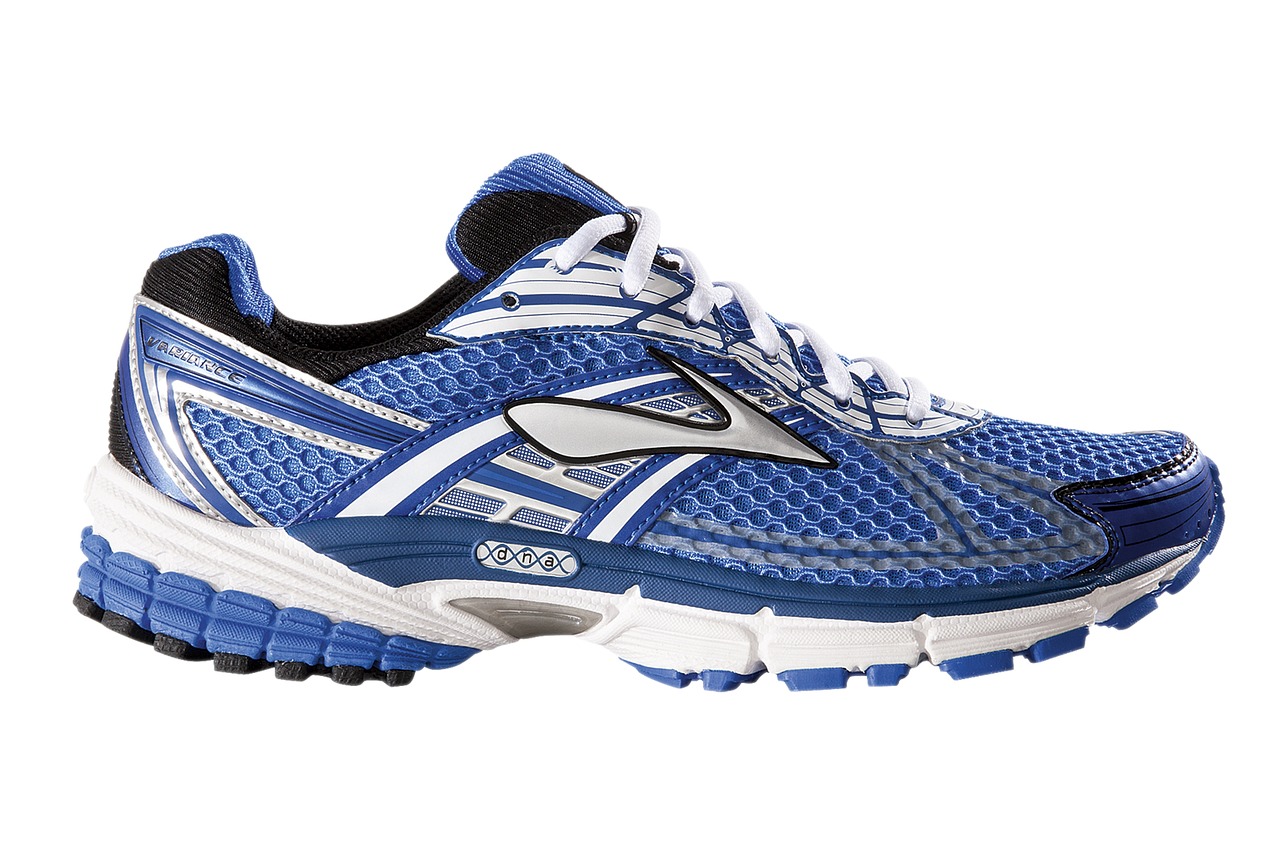
How Much Does A Shoe Weight? A Comprehensive Guide
Ever wondered, “How much does a shoe weight?” It’s a surprisingly common question, and the answer isn’t as straightforward as you might think. The weight of a shoe can vary dramatically depending on its type, size, materials, and intended use. From lightweight running shoes to heavy-duty work boots, the differences can be significant. Understanding shoe weight is important, especially if you’re concerned about comfort, performance, or even shipping costs.
This guide will break down the factors that influence shoe weight, provide examples of common shoe types and their typical weights, and offer tips for finding the right shoe weight for your needs. Let’s dive in!

Contents
- 1 Factors Influencing Shoe Weight
- 2 How Much Does A Shoe Weight By Type?
- 3 Step-by-Step Guide: Estimating Shoe Weight
- 4 Tips for Making Better Shoe Weight Choices
- 5 Common Mistakes to Avoid
- 6 Frequently Asked Questions (FAQ)
- 6.1 How much does a pair of shoes weigh on average?
- 6.2 How does shoe weight affect running performance?
- 6.3 Is there a significant difference in weight between men’s and women’s shoes?
- 6.4 How can I find the weight of a shoe before buying it online?
- 6.5 Does the weight of the shoe include the shoelaces?
- 7 Conclusion: Finding Your Perfect Weight
Factors Influencing Shoe Weight
Several elements contribute to the overall weight of a shoe. Understanding these factors will help you better estimate and compare shoe weights:
- Shoe Type: This is the most significant factor. A delicate ballet flat will naturally weigh much less than a sturdy hiking boot.
- Shoe Size: Larger shoes require more material, directly increasing their weight.
- Materials: Leather, rubber, and heavy-duty synthetics will add more weight compared to lightweight mesh or foam.
- Sole Construction: Thick, multi-layered soles designed for cushioning and support contribute significantly to weight.
- Features and Embellishments: Metal buckles, reinforced stitching, and extra padding all add weight.
How Much Does A Shoe Weight By Type?
Let’s look at some common shoe types and their approximate weights (per shoe, for a men’s size 9 or women’s size 7, as a general guideline):
- Running Shoes: Typically range from 8 to 13 ounces (227 to 369 grams). Lightweight racers can be even lighter.
- Walking Shoes: Similar to running shoes, often around 9 to 14 ounces (255 to 397 grams).
- Sneakers (Casual): Vary widely, but generally fall between 10 and 16 ounces (283 to 454 grams).
- Dress Shoes (Leather): Can range from 12 to 20 ounces (340 to 567 grams), depending on the leather and sole.
- Boots (Hiking): Heavier than other types, often between 16 and 24 ounces (454 to 680 grams) or more.
- Work Boots: Designed for durability and protection, these can weigh 24 ounces (680 grams) or more per shoe.
- Sandals (Flip-Flops): The lightest option, typically weighing only a few ounces (under 100 grams).
- Ballet Flats: Very lightweight, usually under 6 ounces (170 grams).
Keep in mind that these are just estimates. Always check the manufacturer’s specifications for the most accurate weight information. Also, consider that “women’s shoe weight” can be different from “men’s shoe weight” due to sizing.
Step-by-Step Guide: Estimating Shoe Weight
While the best way to know the exact weight is to check the product specifications, here’s how you can estimate it:
- Identify the Shoe Type: Is it a running shoe, a boot, or a sandal? This is the biggest determining factor.
- Consider the Materials: Is it made of lightweight mesh, heavy leather, or a combination?
- Assess the Sole: Is it a thin, flexible sole or a thick, cushioned sole?
- Think About Features: Does it have extra padding, metal reinforcements, or other heavy features?
- Compare to Similar Shoes: Look at the specifications of similar shoes online to get a better estimate.
Tips for Making Better Shoe Weight Choices
Choosing the right shoe weight is crucial for comfort and performance. Here are some tips:
- Consider Your Activity: For running and high-impact activities, lighter shoes can improve performance and reduce fatigue.
- Think About Support: If you need extra support or have foot problems, you may need to compromise on weight.
- Balance Weight and Durability: Lighter shoes may not be as durable as heavier ones, especially for rugged activities.
- Read Reviews: See what other users say about the weight and comfort of the shoe.
- Try Them On: If possible, try on shoes before you buy them to get a feel for their weight and comfort.
Common Mistakes to Avoid
Here are some common mistakes people make when considering shoe weight:
- Ignoring the Importance of Weight: Underestimating the impact of shoe weight on comfort and performance.
- Prioritizing Weight Over Support: Choosing the lightest shoe without considering the necessary support for your feet.
- Assuming All Shoes of the Same Type Weigh the Same: Brands and models can vary significantly in weight.
- Not Considering the Long-Term Impact: Choosing a shoe that’s too heavy for extended wear can lead to fatigue and injuries.
Frequently Asked Questions (FAQ)
Here are some frequently asked questions about shoe weight:
How much does a pair of shoes weigh on average?
The average weight of a pair of shoes varies greatly depending on the type, but you can generally expect a pair to weigh between 1 and 3 pounds.
How does shoe weight affect running performance?
Lighter shoes can improve running efficiency and reduce fatigue, allowing you to run faster and longer. However, prioritize support and cushioning if needed.
Is there a significant difference in weight between men’s and women’s shoes?
Yes, men’s shoes are generally heavier than women’s shoes due to larger sizes and potentially different construction.
How can I find the weight of a shoe before buying it online?
Check the product specifications on the retailer’s website or the manufacturer’s website. Look for terms like “weight per shoe” or “shoe weight.”
Does the weight of the shoe include the shoelaces?
Typically, the listed weight of a shoe includes the shoelaces and any standard insoles that come with the shoe.
Conclusion: Finding Your Perfect Weight
So, how much does a shoe weight? As we’ve seen, the answer is complex and depends on many factors. By understanding these factors and considering your specific needs, you can make informed decisions and choose shoes that provide the perfect balance of comfort, performance, and durability. Remember to prioritize your activity, support requirements, and long-term comfort when selecting your next pair of shoes. Happy shoe shopping!
“`

I am an accomplished footwear blogger with a keen eye for style and a passion for shoes. My deep-rooted love affair with footwear began at a young age when I would spend hours perusing shoe stores, admiring the intricate designs and imagining the stories they could tell.