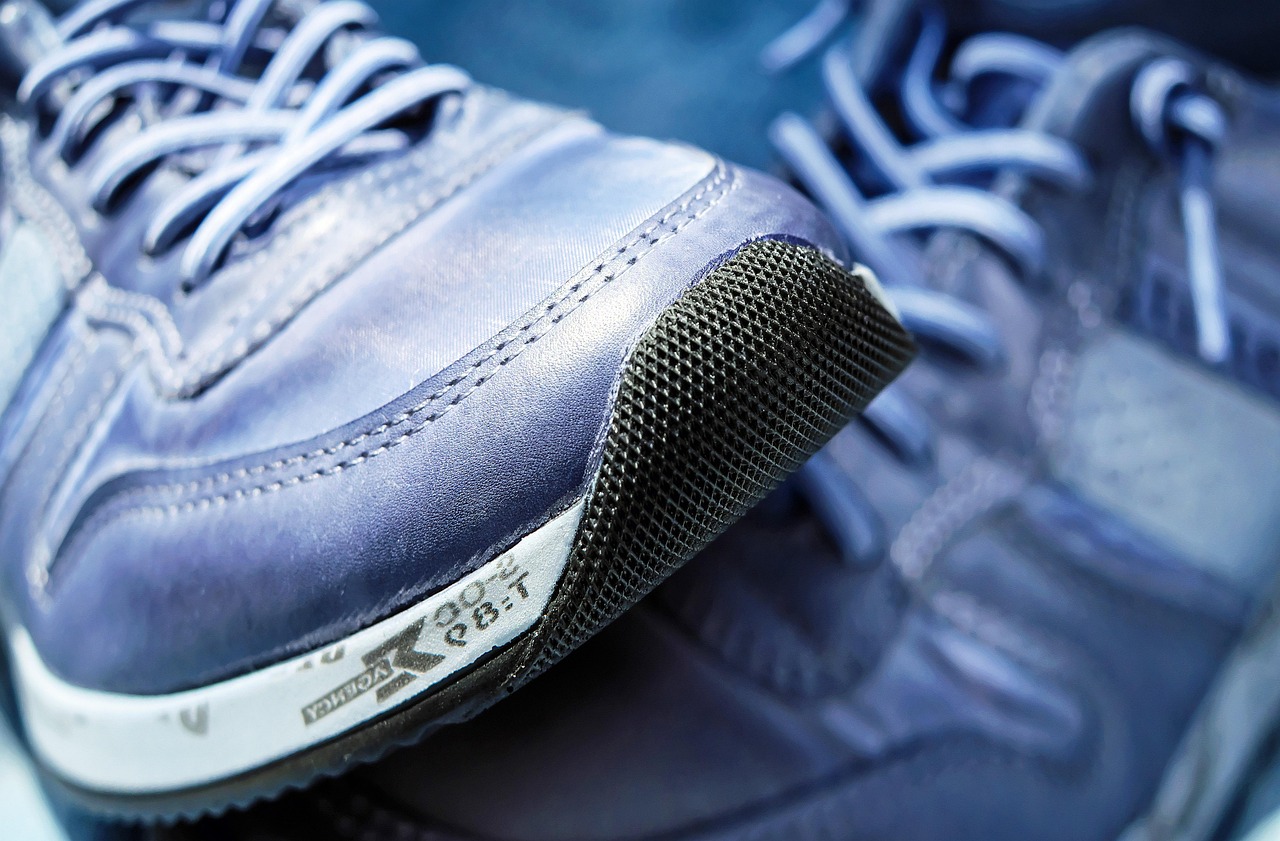
If you’re on your feet all day in a demanding work environment, you know the importance of comfortable and protective footwear. Hoka shoes are renowned for their plush cushioning and supportive design, making them a favorite among runners and walkers. But if your job requires steel toe protection, you’re probably wondering: Does Hoka make steel toe shoes? Let’s dive into the answer and explore some alternatives to keep your feet safe and comfortable on the job.
Contents
- 1 Does Hoka Make Steel Toe Shoes? The Straight Answer
- 2 Understanding Your Needs: More Than Just Steel Toes
- 3 Exploring Alternatives: Steel Toe Shoes with Comfort in Mind
- 4 Tips for Finding Comfortable Steel Toe Shoes
- 5 Common Mistakes to Avoid When Buying Steel Toe Shoes
- 6 Frequently Asked Questions (FAQ)
- 6.1 1. Will Hoka ever make steel toe shoes?
- 6.2 2. Are composite toe shoes as protective as steel toe shoes?
- 6.3 3. How often should I replace my steel toe shoes?
- 6.4 4. Can I wear regular Hoka shoes to work if I don’t need steel toe protection?
- 6.5 5. Where can I find the best deals on steel toe shoes?
- 7 Conclusion: Finding the Right Footwear for Your Needs
Does Hoka Make Steel Toe Shoes? The Straight Answer
Unfortunately, the direct answer is no, Hoka does not currently manufacture shoes with steel toe protection. While Hoka excels in creating footwear designed for comfort and performance in athletic activities, they haven’t yet ventured into the realm of occupational safety footwear. Their focus remains on maximizing cushioning and minimizing weight for runners and everyday wearers.
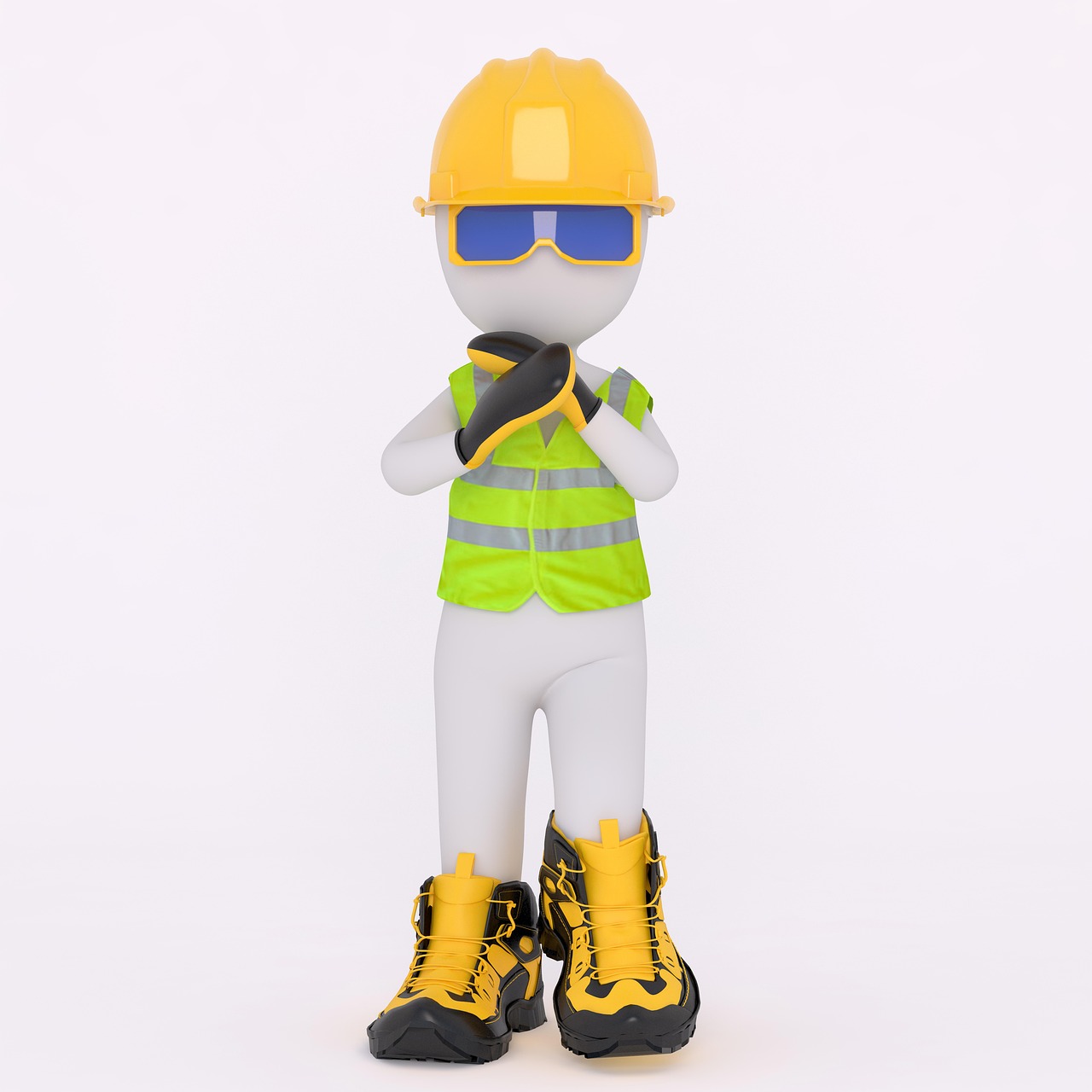
This might be disappointing if you were hoping to experience Hoka’s signature comfort with steel toe protection. However, don’t lose hope! There are alternative options that can provide the safety features you need without sacrificing too much comfort.
Understanding Your Needs: More Than Just Steel Toes
Before we explore alternatives, let’s consider what you’re really looking for in a work shoe. Beyond steel toe protection, factors like slip resistance, electrical hazard protection, and overall comfort are crucial. Think about the specific hazards you encounter in your workplace. This will help you narrow down your search for the perfect work shoe.
Here are some key considerations:
- Steel Toe vs. Composite Toe: Steel toes offer maximum protection, but composite toes are lighter and don’t conduct electricity or temperature.
- Slip Resistance: Look for shoes with outsoles designed to provide excellent grip on various surfaces.
- Electrical Hazard (EH) Protection: If you work around electricity, EH-rated shoes are a must.
- Water Resistance: Keep your feet dry in wet conditions with waterproof or water-resistant shoes.
- Comfort and Support: Prioritize cushioning, arch support, and a comfortable fit to minimize fatigue.
Exploring Alternatives: Steel Toe Shoes with Comfort in Mind
While Hoka doesn’t offer steel toe options, several brands specialize in work boots and shoes that prioritize both safety and comfort. Here are a few alternatives to consider:
1. Keen Utility:
Keen Utility offers a wide range of work boots and shoes with steel or composite toes. They’re known for their comfortable fit and durable construction. Many models incorporate technologies similar to Hoka, focusing on cushioning and support.
2. Timberland PRO:
Timberland PRO is a trusted name in workwear, and their footwear is no exception. They offer a variety of steel toe and composite toe boots with features like slip resistance, electrical hazard protection, and waterproof membranes. Look for models with anti-fatigue technology for all-day comfort.
3. Caterpillar (CAT) Footwear:
CAT Footwear is known for its rugged and durable work boots. While traditionally known for heavier-duty options, they also offer lighter-weight steel toe and composite toe shoes with improved comfort features.
4. Skechers Work:
Skechers Work offers a surprisingly comfortable range of steel toe and composite toe shoes. Their focus on lightweight materials and cushioning makes them a good option for those who prioritize comfort.
5. Red Wing Shoes:
Red Wing Shoes are an investment, but they’re known for their exceptional quality and durability. They offer a wide range of work boots with steel toe protection and options for customization to ensure a perfect fit.
Tips for Finding Comfortable Steel Toe Shoes
Finding comfortable steel toe shoes can be a challenge, but here are some tips to help you in your search:
- Try them on: Always try on work shoes before you buy them, ideally at the end of the day when your feet are slightly swollen.
- Wear work socks: Wear the same type of socks you’ll be wearing on the job when you try on shoes.
- Walk around: Walk around the store for a few minutes to get a feel for the shoes.
- Check the fit: Ensure there’s enough room in the toe box to wiggle your toes.
- Consider insoles: If the shoes don’t provide enough cushioning, consider adding aftermarket insoles.
Common Mistakes to Avoid When Buying Steel Toe Shoes
Here are some common mistakes to avoid when purchasing steel toe shoes:
- Buying shoes that are too small: This can lead to blisters, bunions, and other foot problems.
- Ignoring arch support: Proper arch support is essential for preventing foot fatigue.
- Choosing style over substance: Prioritize safety and comfort over appearance.
- Failing to break in new shoes: Gradually break in new work shoes to prevent blisters.
- Neglecting maintenance: Regularly clean and condition your work shoes to prolong their lifespan.
Frequently Asked Questions (FAQ)
Here are some frequently asked questions about steel toe shoes and Hoka’s involvement in the safety footwear market:
1. Will Hoka ever make steel toe shoes?
It’s impossible to say for sure, but as of now, there are no indications that Hoka plans to enter the steel toe shoe market. Their focus remains on athletic and lifestyle footwear.
2. Are composite toe shoes as protective as steel toe shoes?
Steel toe shoes generally offer higher impact and compression resistance than composite toe shoes. However, composite toe shoes are lighter and don’t conduct electricity or temperature, making them a better choice for certain work environments.
3. How often should I replace my steel toe shoes?
The lifespan of steel toe shoes depends on the work environment and the frequency of use. Generally, you should replace them every 6-12 months or sooner if they show signs of damage or wear.
4. Can I wear regular Hoka shoes to work if I don’t need steel toe protection?
If your job doesn’t require steel toe protection and allows for athletic footwear, Hoka shoes can be a comfortable option. However, make sure they meet any other requirements, such as slip resistance.
5. Where can I find the best deals on steel toe shoes?
You can find deals on steel toe shoes at online retailers like Amazon and Zappos, as well as at workwear stores and sporting goods stores. Look for sales and clearance events to save money.
Conclusion: Finding the Right Footwear for Your Needs
While the answer to “Does Hoka Make Steel Toe Shoes?” is currently no, plenty of excellent alternatives offer both safety and comfort. By understanding your specific needs and considering the various options available, you can find the perfect work shoes to keep your feet protected and comfortable throughout your workday. Don’t compromise on safety or comfort – invest in a pair of well-fitting, protective work shoes that will support you every step of the way.

I am an accomplished footwear blogger with a keen eye for style and a passion for shoes. My deep-rooted love affair with footwear began at a young age when I would spend hours perusing shoe stores, admiring the intricate designs and imagining the stories they could tell.