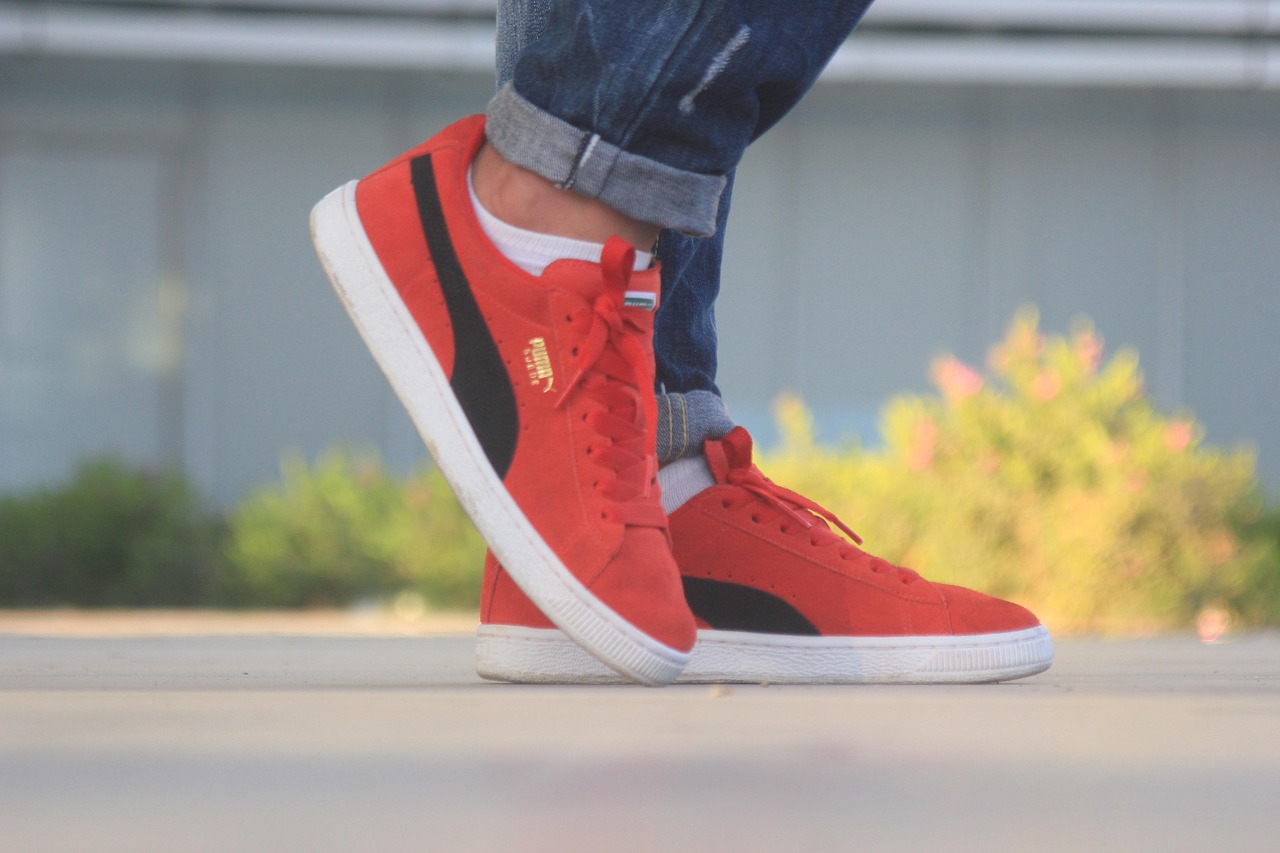
Do Puma Shoes Run Small? A Comprehensive Sizing Guide
So, you’ve got your eye on a fresh pair of Pumas. Awesome choice! They’re stylish, comfortable, and perfect for everything from hitting the gym to rocking a casual look. But before you click that “add to cart” button, a crucial question lingers: Do Puma shoes run small? Getting the right fit is essential for comfort and avoiding the dreaded return process. This guide will break down Puma sizing, helping you find the perfect fit the first time around.
Contents
Understanding Puma Shoe Sizing
Navigating shoe sizes can feel like deciphering a secret code. Different brands often have slight variations, and Puma is no exception. While there’s no simple “yes” or “no” answer to the question, “Do Puma shoes run small?” the general consensus is that they can sometimes fit a little snug, especially in certain styles.
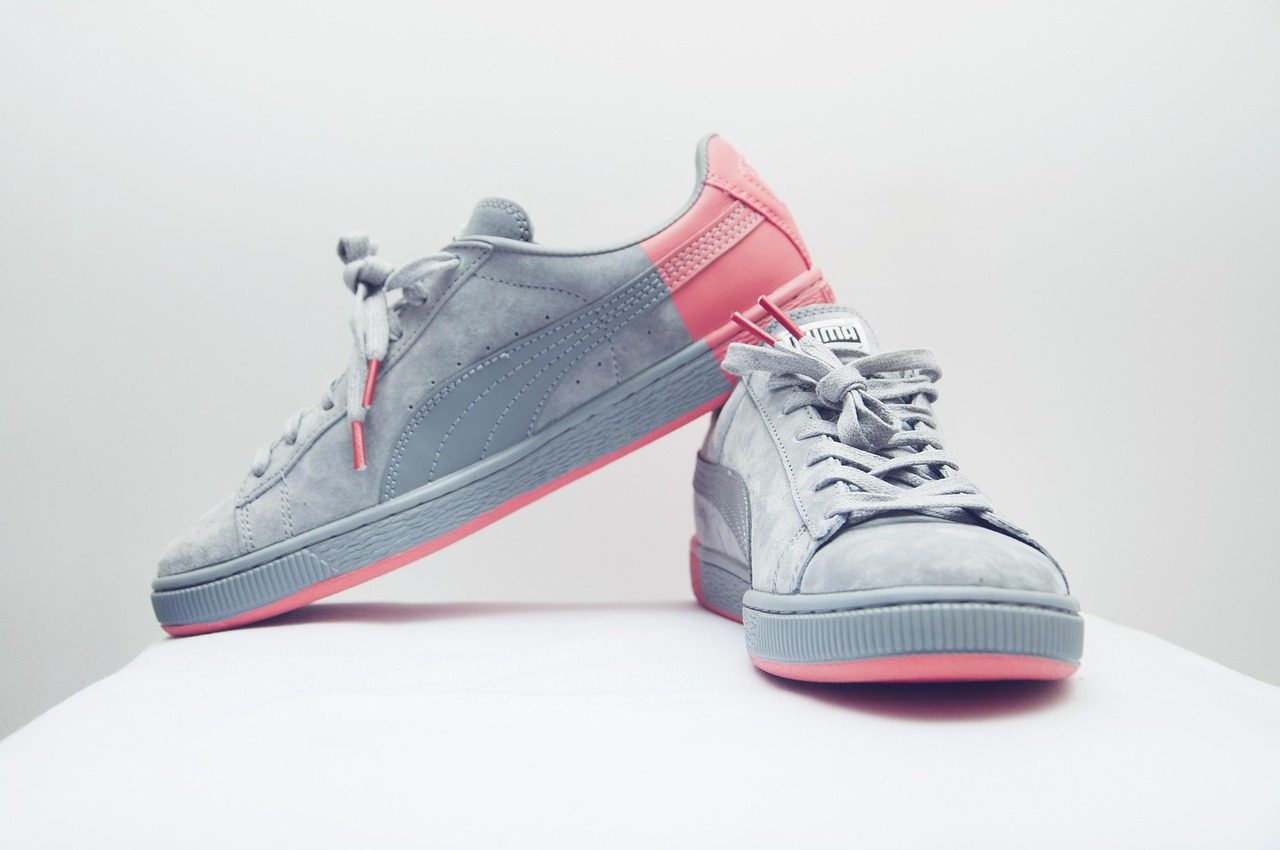
This perceived smaller fit can be due to several factors, including the shoe’s design, materials, and intended use. For example, a sleek, performance-oriented running shoe might have a more streamlined fit than a classic, retro-inspired sneaker.
Step-by-Step Guide: Determining Your Ideal Puma Size
Here’s a step-by-step guide to figuring out your ideal Puma size and avoiding the “Do Puma shoes run small?” dilemma:
1. Measure Your Feet Accurately
This is the most crucial step. Don’t rely on your memory of your shoe size from another brand. Here’s how to get an accurate measurement:
- Time of Day: Measure your feet in the late afternoon or evening, as they tend to swell slightly throughout the day.
- Sock Type: Wear the type of socks you’ll typically wear with your Pumas.
- Materials: You’ll need a piece of paper, a pen or pencil, and a ruler or measuring tape.
- The Process:
- Place the paper on a hard, flat surface.
- Stand on the paper with your heel against a wall.
- Trace the outline of your foot carefully.
- Use the ruler or measuring tape to measure the length from the heel to the tip of your longest toe.
- Repeat this process for both feet, as they may be slightly different sizes.
2. Consult Puma’s Size Chart
Once you have your foot measurements, head over to Puma’s official website or the retailer’s website where you’re purchasing the shoes. Look for their size chart. Puma provides size charts that correlate foot length (in inches or centimeters) to their shoe sizes (US, UK, EU). Important: Every model may have a slightly different fit, so always check the size chart specific to the shoe you’re interested in.
3. Consider the Shoe Style
As mentioned earlier, different Puma shoe styles can fit differently. Here’s a general guideline:
- Running Shoes: Performance running shoes often have a snug fit for better support and responsiveness. Consider going up half a size.
- Training Shoes: Similar to running shoes, training shoes might also benefit from going up half a size, especially if you prefer a more relaxed fit.
- Lifestyle Sneakers: Classic Puma sneakers like the Suede or Clyde often fit true to size. However, if you have wider feet, consider going up half a size.
- Sandals/Slides: These typically fit true to size, but check reviews for specific model feedback.
4. Read Customer Reviews
Customer reviews are a goldmine of information. Search for reviews that specifically mention sizing. Do people consistently say the shoe runs small, large, or true to size? Pay attention to comments about width, arch support, and overall comfort. This will give you valuable insights to help answer “Do Puma shoes run small?” for that specific model.
5. When in Doubt, Size Up
If you’re still unsure after following the above steps, it’s generally better to err on the side of caution and go up half a size. It’s always easier to wear thicker socks or use an insole to make a slightly larger shoe fit better than to try and cram your foot into a shoe that’s too small.
Tips for Making Better Puma Sizing Decisions
Here are some extra tips to help you make the right choice:
- Know Your Foot Type: If you have wide feet, consider looking for Puma models that are specifically designed for wider feet or sizing up.
- Check the Materials: Leather shoes may stretch slightly over time, while synthetic materials might not.
- Consider the Intended Use: If you’ll be wearing thick socks with your Pumas (e.g., for hiking or cold weather), factor that into your sizing decision.
- Take Advantage of Return Policies: If possible, order from a retailer with a generous return policy so you can easily exchange the shoes if they don’t fit.
Common Mistakes to Avoid When Choosing Puma Shoe Sizes
Steer clear of these common pitfalls:
- Assuming All Shoes Fit the Same: Don’t assume that your size in one brand will be the same in Puma. Always measure your feet and consult the size chart.
- Ignoring Customer Reviews: Customer reviews are a valuable resource for understanding how a particular shoe fits.
- Ordering Based on Memory: Don’t rely on your memory of your shoe size from years ago. Your feet can change over time.
- Not Considering Sock Thickness: The type of socks you wear can significantly impact the fit of your shoes.
- Trying to Squeeze into a Too-Small Shoe: Wearing shoes that are too small can lead to blisters, bunions, and other foot problems.
Frequently Asked Questions (FAQ) About Puma Shoe Sizing
Here are some frequently asked questions to further clarify the “Do Puma shoes run small?” topic:
Q1: Do Puma running shoes run small?
A: Yes, often Puma running shoes tend to fit snugger to enhance performance. Consider going up half a size for a more comfortable fit, especially if you plan on wearing thicker socks.
Q2: How accurate are Puma’s size charts?
A: Puma’s size charts are generally accurate, but it’s always a good idea to double-check your foot measurements and compare them to the chart before ordering. Reading customer reviews can also provide additional insight.
Q3: I have wide feet. Should I size up in Puma shoes?
A: Yes, if you have wide feet, you should definitely consider sizing up half a size or even a full size in Puma shoes. Look for models that are specifically designed for wider feet if possible.
Q4: Do Puma sneakers stretch over time?
A: Leather Puma sneakers may stretch slightly over time, while synthetic materials are less likely to stretch. Keep this in mind when choosing your size.
Q5: What should I do if I’m between sizes?
A: If you’re between sizes, it’s generally recommended to go up to the larger size. You can always wear thicker socks or use an insole to make the shoe fit better if it’s slightly too big.
Conclusion: Finding Your Perfect Puma Fit
So, do Puma shoes run small? The answer isn’t a definitive yes or no, but rather a “it depends.” By taking accurate foot measurements, consulting Puma’s size chart, considering the shoe style, and reading customer reviews, you can significantly increase your chances of finding the perfect fit. Remember, when in doubt, sizing up is generally the safer option. Happy shoe shopping!
“`

I am an accomplished footwear blogger with a keen eye for style and a passion for shoes. My deep-rooted love affair with footwear began at a young age when I would spend hours perusing shoe stores, admiring the intricate designs and imagining the stories they could tell.