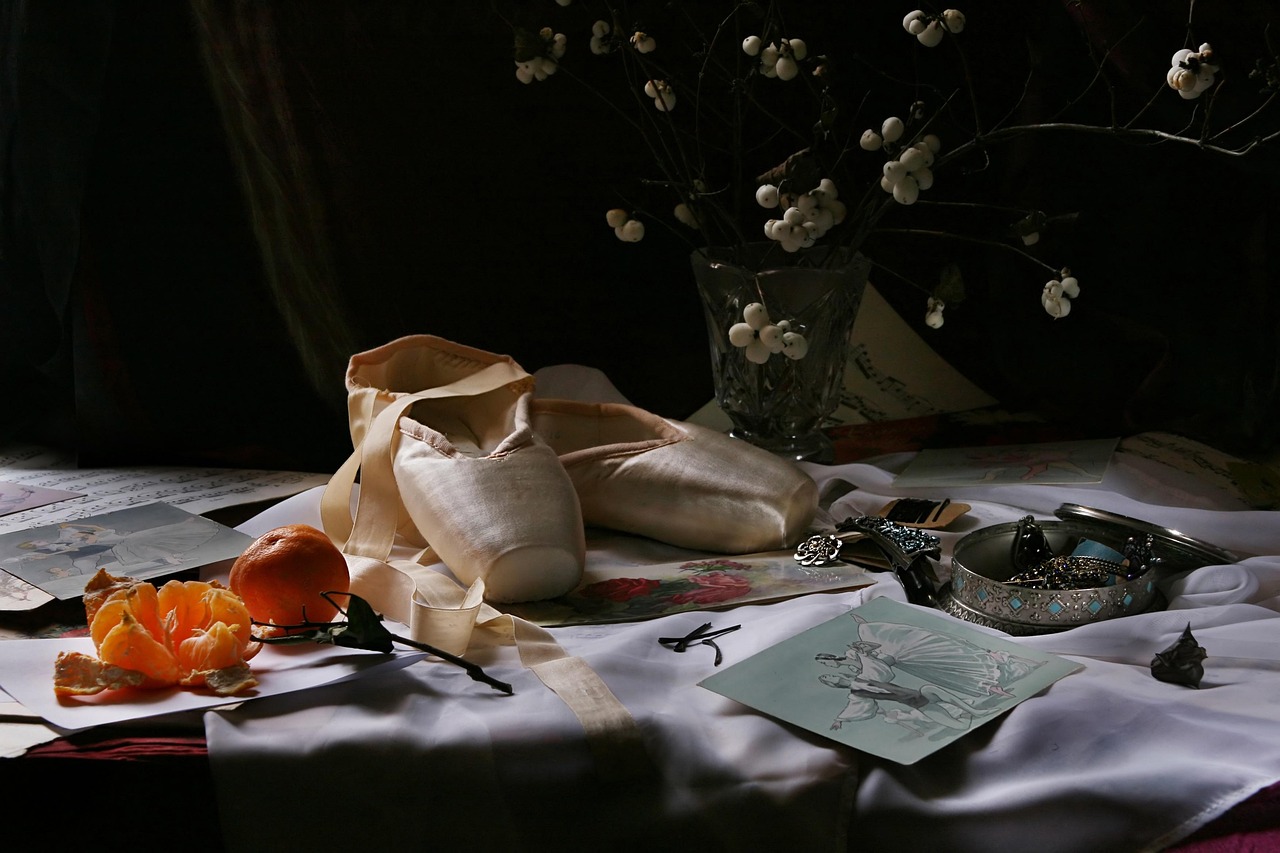
Do Pointe Shoes Hurt? Unveiling the Truth Behind the Beauty
The ethereal image of a ballerina gracefully floating on pointe is captivating. But behind the seemingly effortless beauty lies a question that often lingers in the minds of aspiring dancers and curious onlookers alike: Do Pointe Shoes Hurt? The short answer is, yes, often they do. But the long answer is much more nuanced, involving proper fitting, training, and pain management. Let’s delve into the world of pointe shoes and explore the realities of dancing on your toes.
Contents
- 1 Understanding the Pointe Shoe and Its Purpose
- 2 Do Pointe Shoes Hurt? A Step-by-Step Guide to Understanding the Pain
- 3 Tips for Making “Do Pointe Shoes Hurt” Less of a Reality
- 4 Common Mistakes to Avoid When Dealing with Pointe Shoe Pain
- 5 Frequently Asked Questions (FAQ) About Pointe Shoe Pain
- 6 Conclusion: Navigating the Pain and Embracing the Beauty
Understanding the Pointe Shoe and Its Purpose
Before we dive into the pain aspect, it’s crucial to understand what pointe shoes are and why they’re used. Pointe shoes are specially designed footwear that allows dancers to stand on the tips of their toes, creating the illusion of weightlessness and extending the line of the leg.
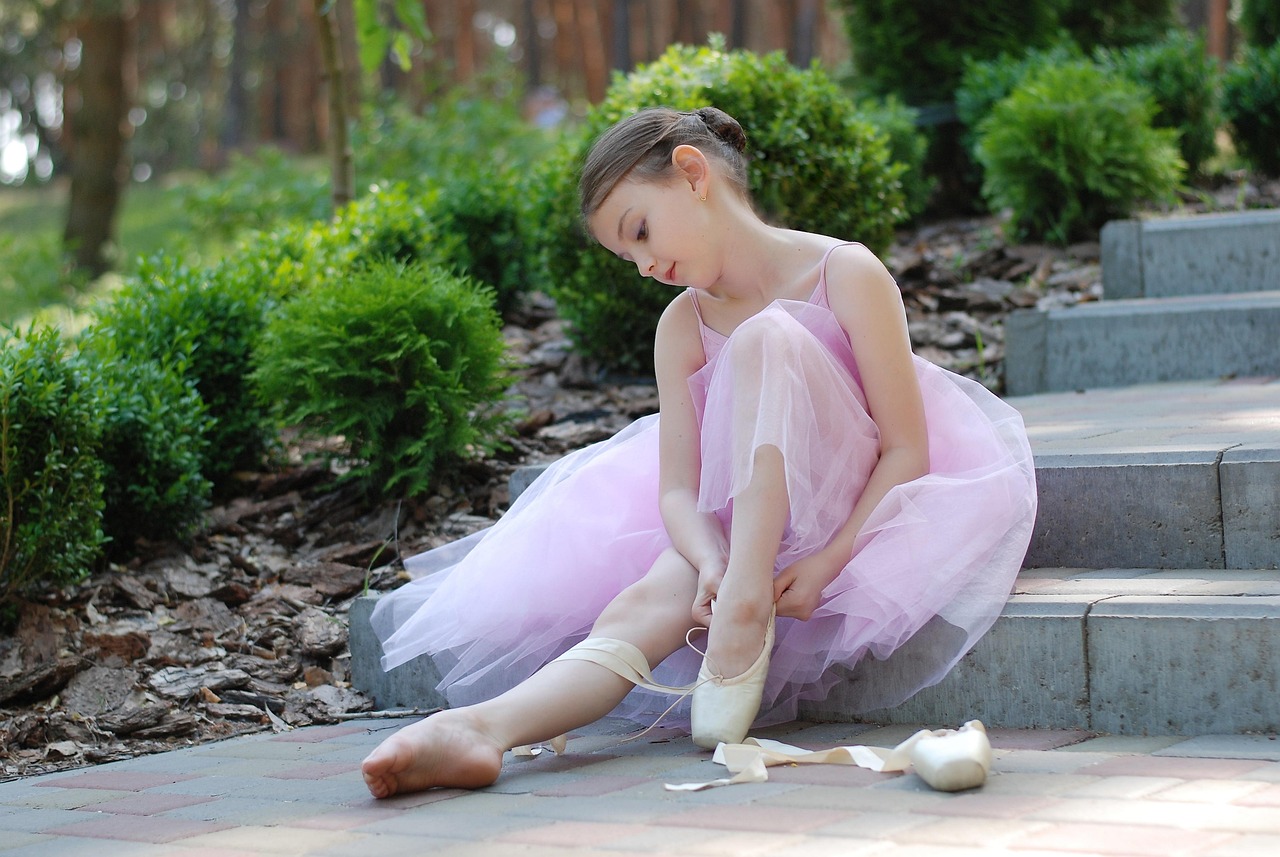
They are constructed with layers of glue, fabric, and a reinforced box at the toe to provide support. The shank, a piece of material providing support to the arch of the foot, also plays a vital role. These features, while essential for dancing en pointe, can also contribute to discomfort if not properly fitted and broken in.
Do Pointe Shoes Hurt? A Step-by-Step Guide to Understanding the Pain
The experience of dancing en pointe varies greatly from dancer to dancer. Some experience minimal discomfort, while others face significant pain. Here’s a step-by-step breakdown of factors contributing to the pain and how to mitigate it:
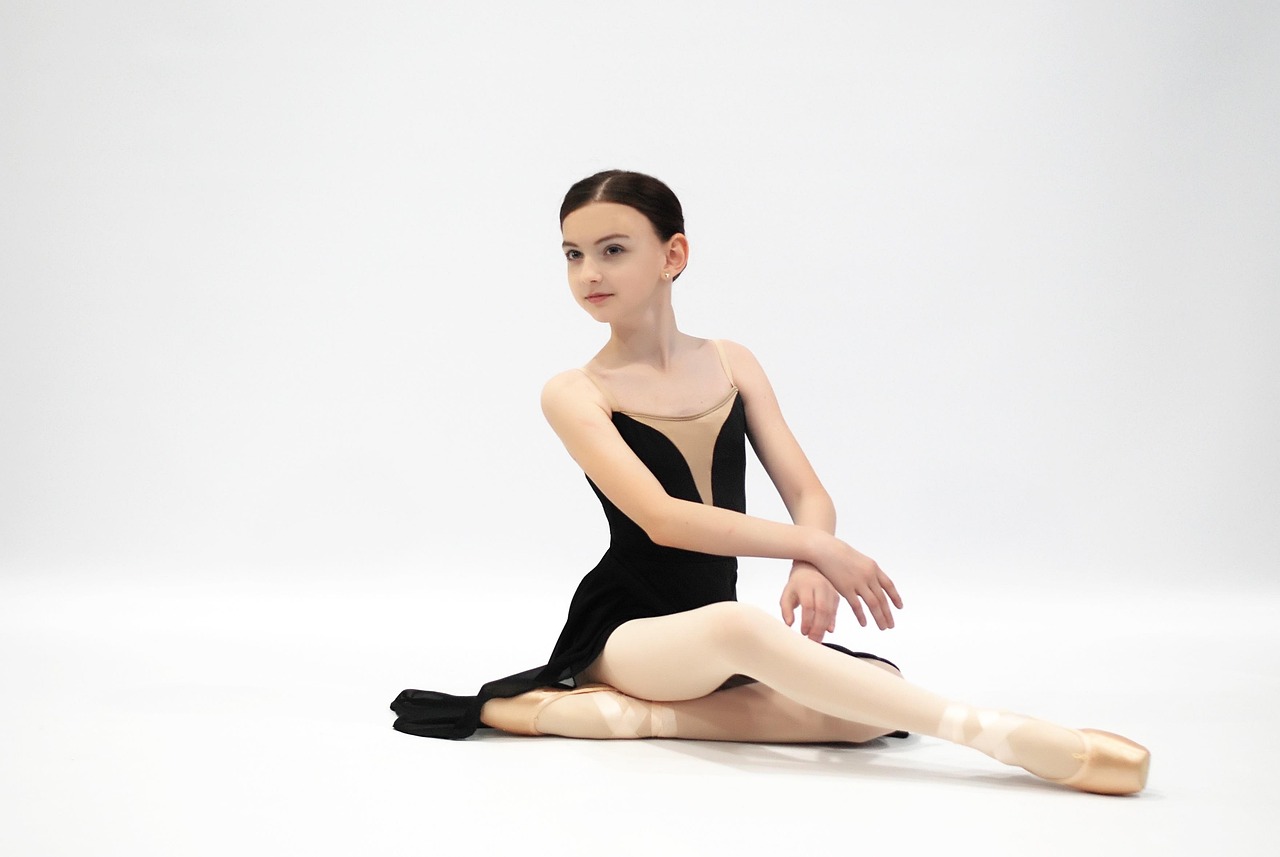
- The Initial Fitting: This is the most crucial step. A professional pointe shoe fitter will assess your foot shape, strength, and experience level to recommend the right shoe. A poorly fitted shoe is a recipe for pain and potential injury. Don’t be afraid to try on multiple pairs and ask questions.
- Breaking In Your Shoes: Pointe shoes are stiff when new and need to be broken in to conform to your foot. This process involves manipulating the shoe to soften the box and shank, allowing for better articulation and reducing pressure points.
- Developing Foot Strength: Dancing en pointe requires tremendous foot and ankle strength. Without adequate strength, the foot is more prone to injury and pain. Regular exercises, such as theraband work, rises, and relevés, are essential for building the necessary muscle.
- Proper Technique: Incorrect technique can place undue stress on the feet and ankles, leading to pain and injury. Work closely with your ballet teacher to ensure you’re using proper alignment and technique.
- Pain Management: Even with perfect fitting and technique, some level of discomfort is inevitable. Using padding, such as toe pads, spacers, and lambswool, can help cushion the toes and reduce friction.
Tips for Making “Do Pointe Shoes Hurt” Less of a Reality
While eliminating all pain might be unrealistic, here are some valuable tips to minimize discomfort and maximize your pointe experience:
- Invest in a Professional Fitting: This cannot be stressed enough. A proper fitting is the foundation for a comfortable and safe pointe experience.
- Listen to Your Body: Don’t push through pain. Rest and recover when needed. Ignoring pain can lead to serious injuries.
- Maintain Proper Foot Care: Keep your feet clean and dry to prevent blisters and infections. Trim your toenails properly to avoid ingrown toenails.
- Strengthen Your Feet and Ankles: Consistent training is key to developing the strength and stability needed for pointe work.
- Experiment with Padding: Find the right combination of padding that works best for your feet. There are many options available, so don’t be afraid to experiment.
- Regularly Check Your Shoes: Pointe shoes wear out over time and lose their support. Replace your shoes when they become too soft or worn.
Common Mistakes to Avoid When Dealing with Pointe Shoe Pain
Several common mistakes can exacerbate pointe shoe pain and increase the risk of injury:
- Ignoring Pain: This is a major mistake. Pain is your body’s way of telling you something is wrong. Ignoring it can lead to chronic injuries.
- Wearing Shoes That Are Too Big or Too Small: An ill-fitting shoe will cause friction and pressure points, leading to blisters and other foot problems.
- Relying Solely on Padding: Padding can provide cushioning, but it shouldn’t be used to compensate for poor technique or ill-fitting shoes.
- Not Breaking In Shoes Properly: Skipping this step can lead to stiff shoes that don’t conform to your foot, causing discomfort and blisters.
- Overworking Your Feet: Gradually increase your pointe work to allow your feet to adapt and strengthen. Doing too much too soon can lead to injuries.
Frequently Asked Questions (FAQ) About Pointe Shoe Pain
Here are some frequently asked questions about the realities of “Do Pointe Shoes Hurt?” and how to manage the associated discomfort:
- Is it normal to have blisters when dancing en pointe? Blisters are common, especially when starting pointe work or wearing new shoes. Proper fitting, padding, and foot care can help prevent them.
- How often should I replace my pointe shoes? The lifespan of pointe shoes varies depending on usage and the dancer’s strength. Replace them when they become too soft or lose their support.
- What kind of padding should I use? There are many options, including toe pads, lambswool, and gel spacers. Experiment to find what works best for your feet.
- Can I dance en pointe if I have bunions or other foot problems? It depends on the severity of the condition. Consult with a doctor or podiatrist before starting pointe work.
- How can I strengthen my feet for pointe work? Regular exercises, such as theraband work, rises, relevés, and toe exercises, are essential for building foot strength.
Do Pointe Shoes Hurt? Yes, they often do. But with proper fitting, training, and pain management, you can minimize discomfort and enjoy the beauty and artistry of dancing en pointe. Remember to listen to your body, prioritize foot care, and work closely with your ballet teacher and pointe shoe fitter. The journey to dancing on pointe is challenging, but the rewards are immeasurable. Embrace the process, celebrate your progress, and never give up on your dreams.
“`

I am an accomplished footwear blogger with a keen eye for style and a passion for shoes. My deep-rooted love affair with footwear began at a young age when I would spend hours perusing shoe stores, admiring the intricate designs and imagining the stories they could tell.