Line dancing is a fantastic way to stay active, socialize, and express yourself through movement. Whether you’re a seasoned pro or just starting to learn the basic steps, having the right footwear can make all the difference. The best shoes for line dancing provide the perfect balance of slide and grip, offer ample support and cushioning, and ensure comfort through hours of intricate footwork. Regular athletic shoes often have too much grip, making turns and pivots difficult and potentially harmful to your knees, while overly slippery soles can lead to instability.
Choosing the ideal pair isn’t just about style; it’s about optimizing your performance and protecting your body. From split-sole dance sneakers designed for maximum flexibility to innovative shoe covers that transform any footwear, the market offers a diverse range of options. We understand the nuances of what makes a great line dancing shoe, and we’ve meticulously researched and reviewed the top contenders to help you make an informed decision.
In this comprehensive guide, we’ll dive deep into five popular products, highlighting their unique features, benefits, and potential drawbacks. Our goal is to equip you with all the information you need to find the perfect pair that will keep you comfortable, confident, and grooving on the dance floor for years to come.
| Product Name |
Key Features |
Rating |
Buy Now |
| PPQ Womens Jazz Shoes |
Breathable mesh, split sole, lightweight, arch support. |
4.5/5 |
🛒 Buy |
| Boyiee 6 Pairs Line Dance Sliders |
Attachable felt bottoms, universal fit, reusable. |
4.0/5 |
🛒 Buy |
| Capezio Canvas Dance Sneaker |
Canvas upper, split sole, spin spot, padded collar. |
4.7/5 |
🛒 Buy |
| Unisex Dance Sneakers Spin |
Synthetic leather/mesh, non-marking sole, integrated spin point. |
4.3/5 |
🛒 Buy |
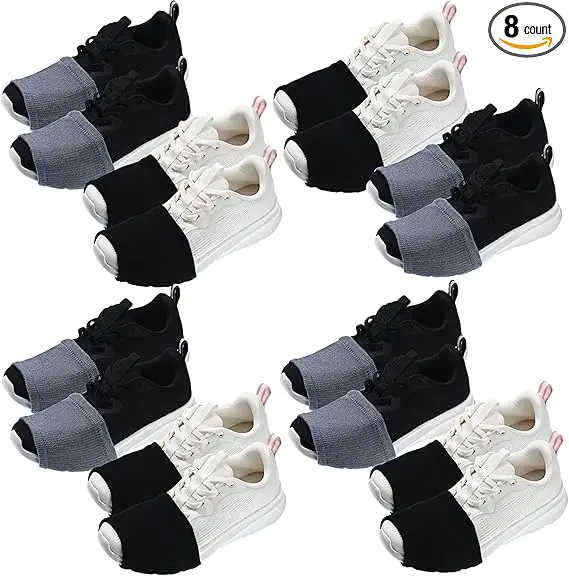
| Haysandy 8 Pairs Dance Covers |
Slip-on polyester, 8 pairs value pack, universal fit. |
4.2/5 |
🛒 Buy |
Our Top Picks for Line Dancing Shoes
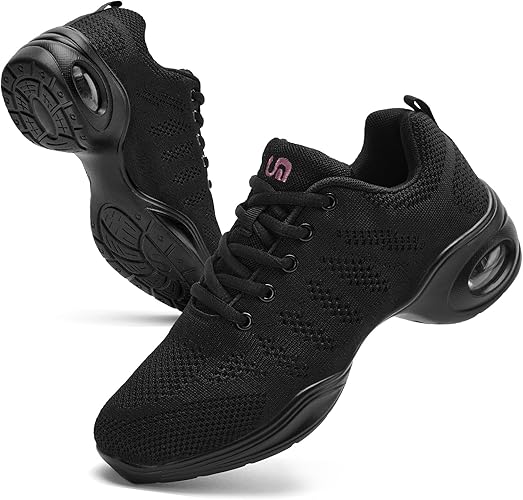
1. PPQ Womens Jazz Shoes
The PPQ Women’s Jazz Shoes are a fantastic entry point for anyone serious about line dancing, offering a blend of comfort, flexibility, and performance typically found in higher-end dance footwear. Designed with the dancer’s needs in mind, these shoes excel in allowing fluid movement across various studio surfaces. Their lightweight construction means you won’t feel weighed down, even during extended dance sessions, making them a top contender for the best shoes for line dancing.
Key Features:
- Breathable mesh upper for ventilation and comfort.
- Split sole design for maximum flexibility and articulation of the foot.
- Lightweight construction reduces fatigue during long dance sessions.
- Integrated arch support to maintain foot health and stability.
Pros:
- Excellent flexibility allows for full range of motion in intricate steps.
- Comfortable fit, suitable for hours of continuous dancing.
- Good balance of grip and slide, ideal for pivots and turns without excessive friction.
- Affordable option for the quality offered.
Cons:
- Sizing can be inconsistent; often recommended to order a half size up.
- Primarily designed for indoor use; sole may wear quickly on rough outdoor surfaces.
Best For: Dancers prioritizing flexibility and comfort for indoor studio line dancing, especially those performing complex footwork and frequent turns. They are also a great choice for beginners looking for a dedicated dance shoe without breaking the bank.
Core Features:
- Split-sole design mimics natural foot movement.
- Breathable synthetic and mesh upper keeps feet cool.
- Cushioned insole provides impact absorption.
- Non-marking rubber sole with a smooth pivot point.
🛒 Buy Now
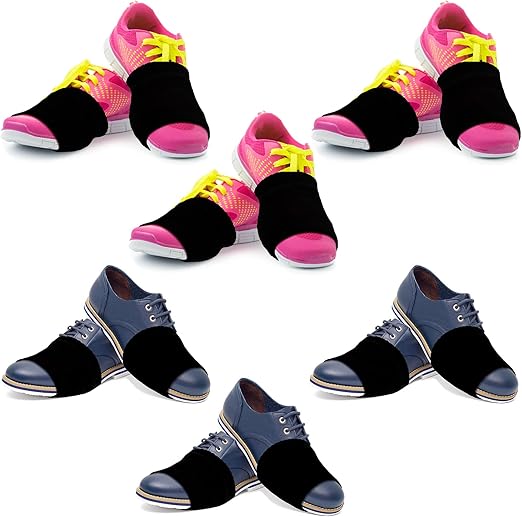
2. Boyiee 6 Pairs Line Dance Sliders
Sometimes, buying a dedicated pair of line dancing shoes isn’t feasible or necessary, especially for casual dancers or those just starting out. The Boyiee 6 Pairs Line Dance Sliders offer an ingenious, cost-effective solution. These attachable shoe covers transform almost any pair of sneakers into dance-ready footwear, providing the necessary low-friction surface for smooth turns and slides. They are an excellent way to test the waters of line dancing without a significant investment, demonstrating why they’re a smart choice when considering the best shoes for line dancing alternatives.
Key Features:
- Attachable felt bottoms designed to reduce friction.
- Universal fit with elastic bands to secure to most shoe sizes.
- Reusable design, allowing for multiple dance sessions.
- Comes in a pack of 6 pairs, offering great value and spares.
Pros:
- Transforms any street shoe into a dance shoe, saving money.
- Cost-effective solution for beginners or occasional dancers.
- Easy to apply and remove, perfect for transitioning between activities.
- Protects the soles of your regular shoes from wear and tear on dance floors.
Cons:
- May occasionally slip off during very aggressive or fast-paced moves.
- Not a permanent solution, and may not offer the same stability as dedicated dance shoes.
- Can sometimes affect the aesthetic of your chosen shoe.
Best For: Casual dancers, absolute beginners, or individuals who want to adapt their existing comfortable shoes for line dancing without purchasing specialized footwear. Also great for those who dance in various locations and need a portable solution.
Core Features:
- Felt material provides optimal glide for pivots and slides.
- Strong elastic band ensures a secure, snug fit over the shoe.
- Lightweight and portable for easy transport.
- Durable construction for repeated use.
🛒 Buy Now
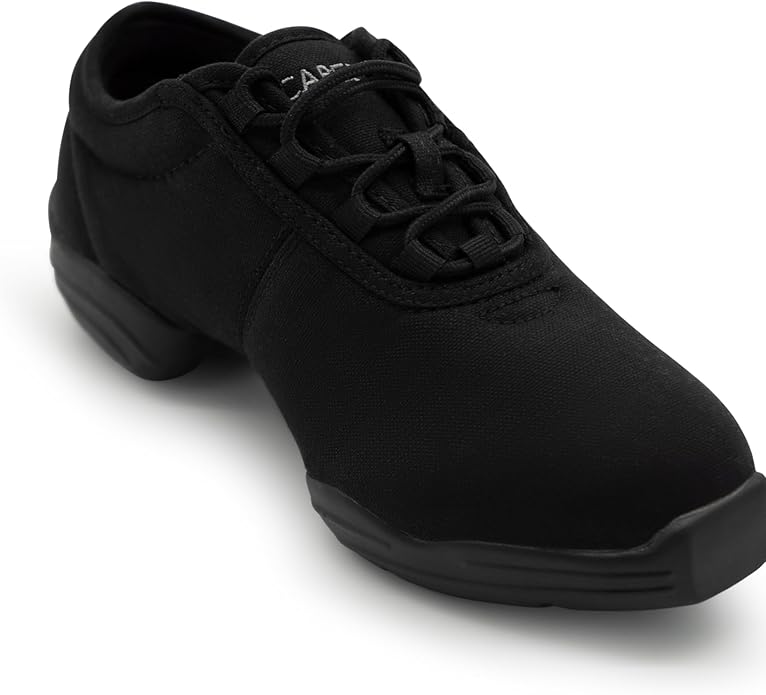
3. Capezio Canvas Dance Sneaker
Capezio is a name synonymous with dance, and their Canvas Dance Sneaker lives up to the brand’s reputation for quality and performance. This shoe is a staple among dancers of various disciplines, including line dancing, due to its thoughtful design that prioritizes both movement and support. The combination of a flexible split sole and a dedicated spin spot makes it incredibly easy to execute turns and pivots, a critical aspect of line dancing. If you’re serious about your craft, these are among the best shoes for line dancing you can invest in.
Key Features:
- Durable canvas upper for flexibility and breathability.
- Split sole design enhances foot articulation and arch flexibility.
- Patented spin spot on the sole facilitates effortless turns and pivots.
- Padded collar and arch provide superior comfort and support.
Pros:
- Exceptional quality from a renowned dance brand.
- The spin spot significantly reduces strain on knees and ankles during turns.
- Provides excellent shock absorption, protecting joints during impact.
- Highly durable construction ensures longevity even with frequent use.
Cons:
- Offers less cushioning compared to modern athletic sneakers.
- Canvas material may stretch slightly over time, potentially altering the fit.
- Can be a higher price point than some basic options.
Best For: Experienced and serious line dancers, dance instructors, and professionals who require a high-performance shoe that offers precision, durability, and specialized features for intricate dance movements. Also suitable for dancers who participate in multiple dance styles.
Core Features:
- Split-sole construction for maximum foot flexibility.
- Non-marking rubber sole with a smooth, low-friction spin spot.
- Breathable canvas upper with a lace-up closure for a secure fit.
- Contoured, cushioned footbed for comfort and support.
🛒 Buy Now
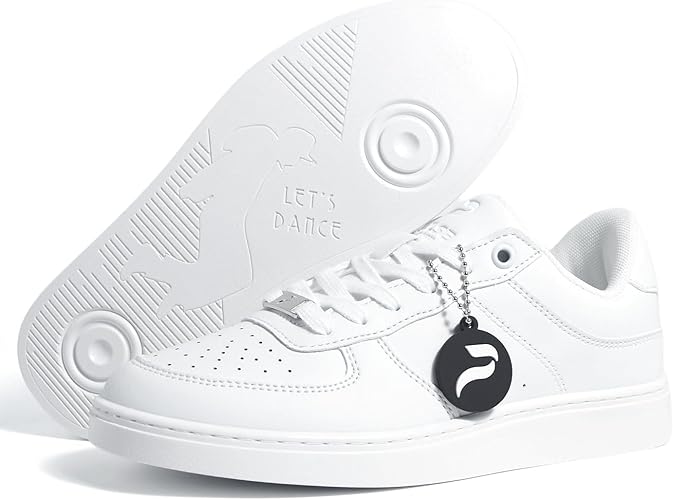
4. Unisex Dance Sneakers Spin
The Unisex Dance Sneakers Spin offers a versatile and practical solution for dancers who need a shoe that performs well across various dance styles, including line dancing. Its design focuses on providing a balanced experience – enough grip for stability, but plenty of slide for dynamic turns. The integrated spin point is a key feature, making it easier and safer to execute pivots, which is essential for preserving knee health during repetitive line dance routines. This makes them a strong contender for the best shoes for line dancing, especially for those seeking adaptability.
Key Features:
- Combination synthetic leather and mesh upper for durability and breathability.
- Non-marking rubber sole suitable for all indoor dance floors.
- Integrated spin point strategically placed for smooth rotations.
- Lightweight and flexible construction for extended comfort.
Pros:
- Highly versatile, suitable for line dancing, jazz, Zumba, and more.
- Achieves a great balance between necessary grip and smooth sliding capabilities.
- Unisex design ensures a broad appeal and fit for various foot shapes.
- Good shock absorption helps reduce impact on joints.
Cons:
- Some dancers might find them slightly stiff during the initial break-in period.
- Color options can be limited compared to fashion sneakers.
Best For: Dancers looking for a versatile, unisex option that can handle the demands of line dancing as well as other contemporary dance forms. Ideal for intermediate dancers who need reliable performance and joint protection.
Core Features:
- Multi-directional flex grooves in the sole enhance agility.
- Cushioned heel and forefoot pads provide targeted comfort.
- Breathable mesh panels prevent overheating.
- Durable rubber outsole designed for longevity.
🛒 Buy Now
5. Haysandy 8 Pairs Dance Covers
Similar to the Boyiee sliders, the Haysandy 8 Pairs Dance Covers offer another excellent, budget-friendly option for those who want to transform their everyday shoes into dance-ready footwear. This product stands out for its generous pack size, providing excellent value, and its simple slip-on design. For beginners or those who find themselves dancing in various locations with different floor types, these covers are a practical and portable solution to achieve the desired glide without committing to specialized dance shoes. They are a versatile choice for finding the best shoes for line dancing on a budget.
Key Features:
- Slip-on design for quick and easy application over any shoe.
- Made from durable polyester material for smooth gliding.
- Value pack includes 8 pairs, ensuring you always have a spare.
- Suitable for various indoor floor types, from wood to tile.
Pros:
- Exceptional value with multiple pairs included.
- Extremely easy to use, just slip them on and start dancing.
- Effectively enhances glide, making turns and slides smoother.
- Protects both your shoes and the dance floor from scuffs.
Cons:
- Less durable than dedicated dance shoe soles and will wear out over time.
- Can occasionally bunch up or shift on certain shoe types or during very vigorous dancing.
- Provides no additional arch support or cushioning like a full dance shoe.
Best For: Beginners, casual line dancers, or individuals who frequently dance in different locations and need a highly portable, adaptable, and cost-effective solution to improve their glide. Great for those testing the waters of line dancing.
Core Features:
- Stretchable fabric ensures a universal fit for most shoe sizes.
- Lightweight and compact, making them easy to carry in a dance bag.
- Low-friction material allows for effortless pivoting.
- Multiple pairs offer convenience and extended use.
🛒 Buy Now
Buying Guide: Choosing Your Perfect Line Dancing Shoes
Selecting the right footwear is crucial for an enjoyable and safe line dancing experience. Here’s what to consider when looking for the best shoes for line dancing:
Sole Material and Type
The sole is arguably the most important part of a line dancing shoe. You need a balance of slide and grip. Suede or felt soles offer excellent glide for turns and pivots, reducing strain on your knees. Rubber soles, common in sneakers, often have too much grip, making twisting motions difficult and potentially dangerous. Some dance sneakers feature a split sole, which offers enhanced flexibility and allows the foot to articulate more naturally, promoting better technique and comfort. Look for non-marking soles if you’re dancing on studio floors.
Support and Cushioning
Line dancing involves repetitive movements and sometimes quick changes in direction, which can put stress on your feet and joints. Good arch support is essential to prevent fatigue and common foot ailments. Adequate cushioning, especially in the heel and forefoot, will absorb impact and keep you comfortable through long practice sessions or dance nights. While dedicated dance shoes might offer less cushioning than athletic sneakers, they typically provide targeted support where dancers need it most.
Fit and Sizing
A proper fit is paramount. Your line dancing shoes should feel snug but not tight, with enough room for your toes to wiggle comfortably. Avoid shoes that are too loose, as they can cause blisters or lead to instability. Conversely, overly tight shoes can restrict movement and cause discomfort. Always check the manufacturer’s sizing guide, as dance shoe sizing can differ from regular street shoe sizing. Trying them on at the end of the day when your feet are slightly swollen can also help ensure a comfortable fit.
Breathability and Durability
Long dance sessions can lead to sweaty feet, so look for shoes with breathable materials like mesh or canvas to keep your feet cool and dry. Durability is also key; your shoes should be able to withstand the constant friction and movement of line dancing. Reinforced stitching and quality materials will ensure your investment lasts.
Frequently Asked Questions (FAQ)
Q1: Can I just wear regular sneakers for line dancing?
A: While you can start with regular sneakers, most have rubber soles with too much grip. This makes turns and pivots difficult and can put excessive strain on your knees and ankles. Dedicated dance shoes or shoe covers are highly recommended for comfort and injury prevention.
Q2: What is a “spin spot” on a dance shoe?
A: A spin spot is a smooth, circular patch on the sole of a dance shoe, typically located under the ball of the foot. Its purpose is to reduce friction in that specific area, allowing for smoother and easier pivots and turns, thereby protecting your joints.
Q3: How often should I replace my line dancing shoes?
A: The lifespan of dance shoes varies based on frequency of use, dance intensity, and quality of the shoe. Generally, if you dance regularly (2-3 times a week), you might need to replace them every 6-12 months, or sooner if you notice significant wear on the sole, loss of cushioning, or decreased support.
Q4: Are dance shoe covers effective?
A: Yes, dance shoe covers can be very effective, especially for beginners or those on a budget. They provide the necessary low-friction surface for sliding and turning on almost any floor, transforming your regular shoes into dance-ready footwear. However, they don’t offer the same integrated support and durability as dedicated dance shoes.
Q5: Should line dancing shoes be tight or loose?
A: Line dancing shoes should fit snugly, like a glove, but not uncomfortably tight. You want minimal movement inside the shoe to prevent blisters and ensure stability, but enough room for your toes to move without being cramped. Too loose, and you risk instability and injury.
Conclusion
Choosing the right footwear is a game-changer for any line dancer, enhancing both performance and comfort while safeguarding against injury. From specialized dance sneakers to ingenious shoe covers, there’s a perfect option out there to suit every budget and skill level. Our comprehensive review of the best shoes for line dancing has aimed to simplify your decision-making process.
For the Best Overall performance and durability, the Capezio Canvas Dance Sneaker stands out. Its heritage quality, dedicated spin spot, and excellent support make it a top choice for serious dancers who want a reliable, long-lasting investment. If you’re looking for the Best Budget solution that doesn’t compromise on the essential slide, both the Boyiee 6 Pairs Line Dance Sliders and Haysandy 8 Pairs Dance Covers offer incredible value, transforming any shoe into dance-ready footwear with ease. Finally, for those seeking a balance of modern comfort, flexibility, and versatility, the PPQ Womens Jazz Shoes are a fantastic option, providing a great blend of features for an enjoyable dancing experience.
I am an accomplished footwear blogger with a keen eye for style and a passion for shoes. My deep-rooted love affair with footwear began at a young age when I would spend hours perusing shoe stores, admiring the intricate designs and imagining the stories they could tell.