Finding the Best Heavy Mens Running Shoes can be a game-changer for your running journey. For heavier male runners, the right footwear isn’t just about comfort; it’s about providing essential support, cushioning, and durability to protect your joints and enhance your performance. Standard running shoes often aren’t designed to withstand the extra impact and pressure, leading to quicker wear and potential injuries. That’s why investing in specialized shoes built for your needs is crucial.
Whether you’re hitting the pavement for daily jogs, training for a marathon, or simply looking for a supportive shoe for walking and light activity, selecting a model engineered for higher impact is paramount. These shoes typically feature enhanced midsole technologies for superior shock absorption, robust outsoles for extended wear, and often stability features to guide your foot strike. Our comprehensive guide delves into the top contenders, breaking down their features, pros, and cons to help you make an informed decision.
We’ve meticulously reviewed five leading options, including a unique entry that caters to durability and comfort beyond just running, to ensure you find the perfect pair that offers the ideal blend of support, cushioning, and longevity. Let’s dive into the details and discover the running shoes that will empower your every stride.
| Product Name | Key Features | Rating | Buy Now |
|---|---|---|---|
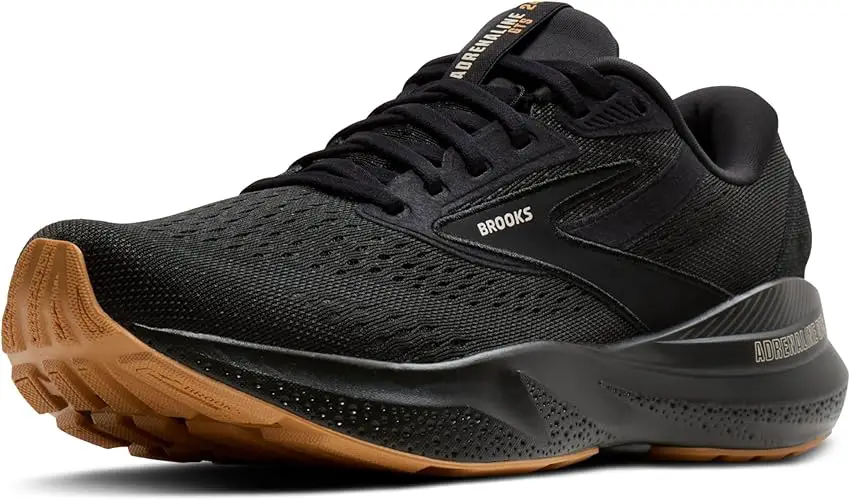
| Brooks Adrenaline GTS 23 | GuideRails® Support, DNA LOFT Cushioning, Durable Outsole | 4.7/5 | Buy |
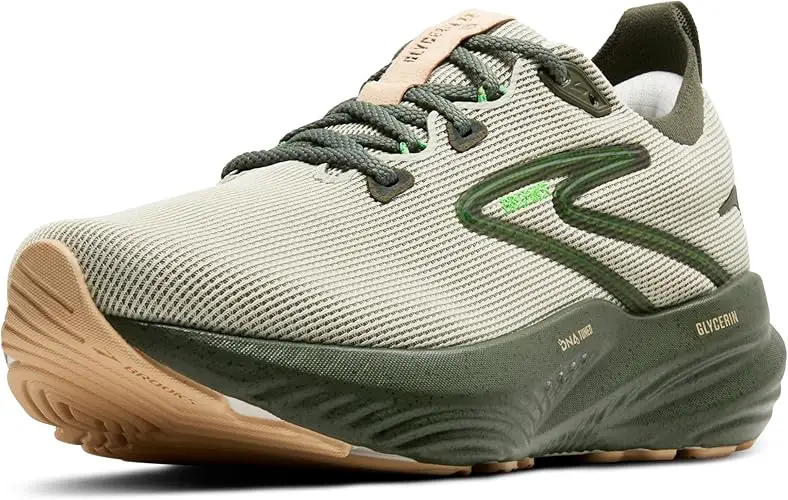
| Brooks Glycerin 20 | DNA LOFT v3 Cushioning, Plush Experience, Neutral Support | 4.6/5 | Buy |
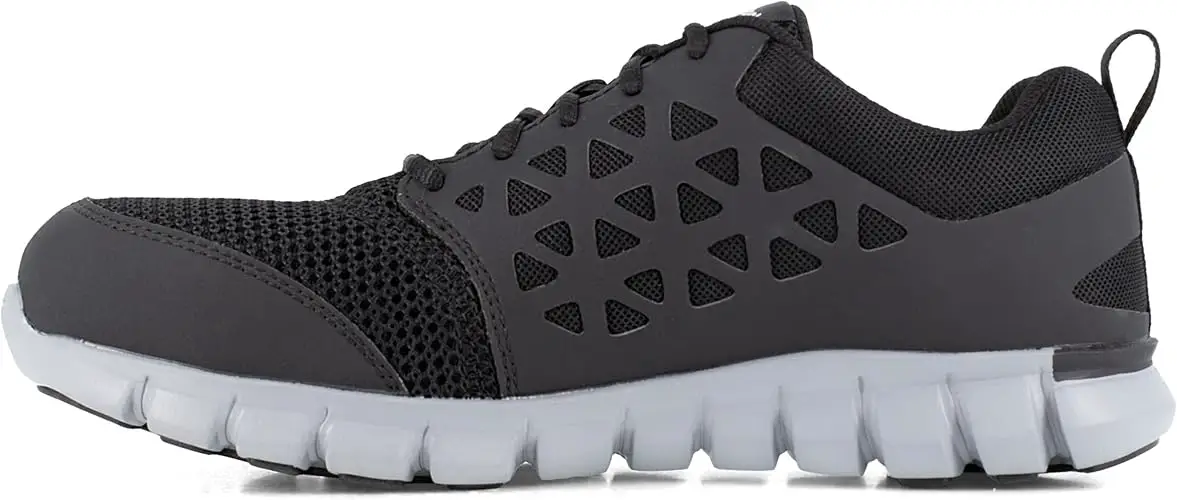
| Reebok Work Mens Sublite Cushion Work RB4041 | Sublite Foam Cushioning, Slip-Resistant Outsole, Lightweight Design | 4.5/5 | Buy |
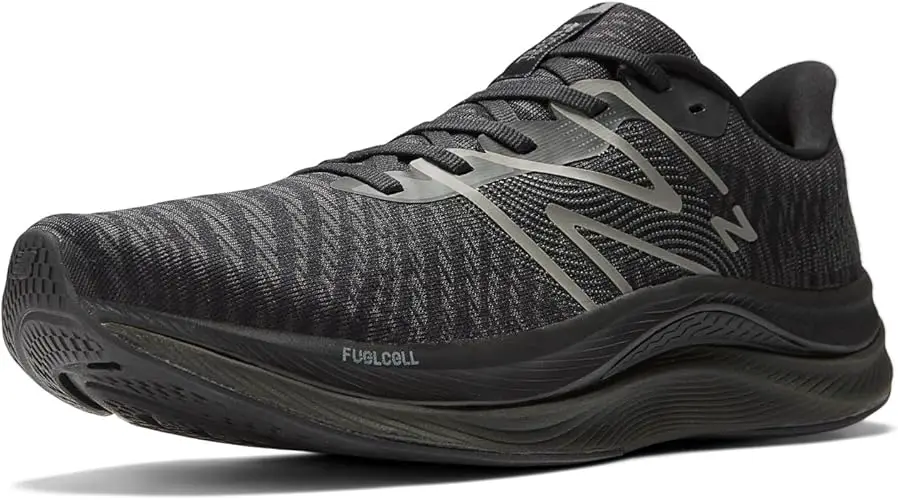
| New Balance Mens FuelCell Propel v4 | FuelCell Foam, TPU Plate, High Rebound, Responsive Ride | 4.4/5 | Buy |
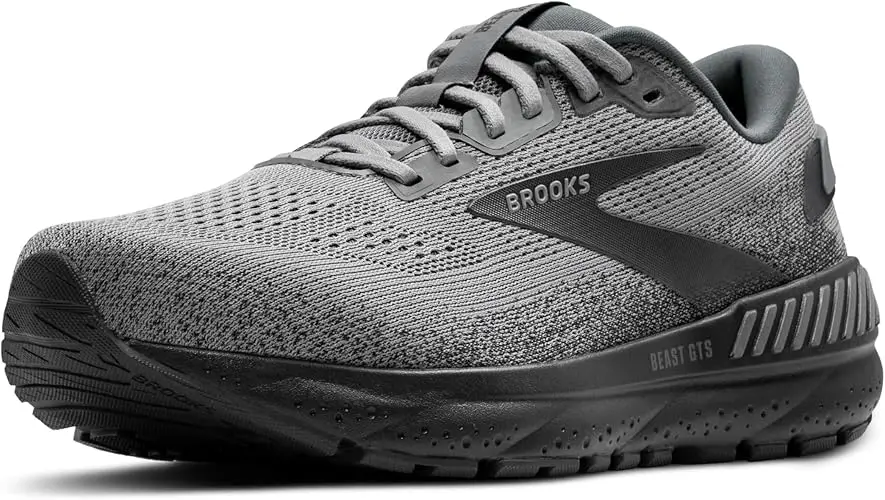
| Brooks Beast GTS 20 | Maximum Support, Super Soft Cushioning, Wide Base Stability | 4.8/5 | Buy |
Contents
- 1 Our Top 5 Picks for Heavy Men’s Running Shoes
- 2 1. Brooks Adrenaline GTS 23
- 3 2. Brooks Glycerin 20
- 4 3. Reebok Work Mens Sublite Cushion Work RB4041
- 5 4. New Balance Mens FuelCell Propel v4
- 6 5. Brooks Beast GTS 20
- 7 Buying Guide: Choosing Your Ideal Running Shoes
- 8 Frequently Asked Questions (FAQ)
- 8.1 Q1: How often should a heavier runner replace their running shoes?
- 8.2 Q2: Can I wear stability shoes if I have a neutral gait?
- 8.3 Q3: What’s the difference between cushioning and stability?
- 8.4 Q4: Are “wide” versions of shoes truly necessary for heavier men?
- 8.5 Q5: Can I use my running shoes for other activities like cross-training or walking?
- 9 Conclusion: Your Next Step Towards a Better Run
Our Top 5 Picks for Heavy Men’s Running Shoes
Buying Guide: Choosing Your Ideal Running Shoes
Selecting the perfect pair of running shoes when you’re a heavier man involves more than just picking a popular brand. It requires understanding your specific needs to ensure comfort, prevent injury, and maximize your running potential. Here’s what to consider:
Understanding Your Gait
Your foot’s natural motion, or gait, is crucial. If your foot rolls inward excessively (overpronation), you’ll need stability or motion control shoes. If your foot remains relatively straight (neutral), neutral shoes with ample cushioning will suffice. A quick test at a running store or observing the wear pattern on old shoes can help determine your gait type.
Cushioning is Key
Heavier runners exert more force on their joints with each stride. Therefore, shoes with generous and durable cushioning are essential to absorb impact and reduce stress. Look for technologies like Brooks’ DNA LOFT, Hoka’s J-Frame, or Saucony’s PWRRUN. Avoid minimalist shoes, as they offer insufficient protection.
Support and Stability
For overpronators, stability features like medial posts or GuideRails® are vital. These elements help guide your foot into a more neutral alignment, preventing excessive inward rolling. Even neutral runners benefit from a wider base and a well-structured upper for a secure, stable feel.
Durability of the Outsole and Midsole
Heavier runners will wear out shoes faster. Prioritize models with robust rubber outsoles and midsoles designed to maintain their cushioning properties over many miles. Look for carbon rubber in high-wear areas. A shoe that feels great initially but breaks down quickly isn’t a good investment.
Proper Fit and Room
Ensure the shoe fits comfortably, with about a thumb’s width between your longest toe and the end of the shoe. The forefoot should have enough room for your toes to splay naturally, and the midfoot should feel secure without being too tight. Consider wider widths if standard sizes feel restrictive.
Weight of the Shoe
While maximum cushioning and support often mean a slightly heavier shoe, modern technologies are making robust shoes lighter. Find a balance; don’t sacrifice essential features for a marginally lighter feel, especially for daily training. The Best Heavy Mens Running Shoes will balance these factors effectively.
Frequently Asked Questions (FAQ)
Q1: How often should a heavier runner replace their running shoes?
A1: Generally, running shoes should be replaced every 300-500 miles. For heavier runners, this might be closer to the 300-mile mark, or even sooner if you notice a significant breakdown in cushioning or support, or if you start experiencing new aches and pains.
Q2: Can I wear stability shoes if I have a neutral gait?
A2: While neutral runners typically don’t need stability features, some find the subtle guidance of mild stability shoes (like the Brooks Adrenaline GTS with GuideRails) to be comfortable and supportive without interfering with their natural stride. However, highly prescriptive motion control shoes might feel too restrictive.
Q3: What’s the difference between cushioning and stability?
A3: Cushioning refers to the softness and shock absorption of the midsole, protecting your joints from impact. Stability refers to the shoe’s ability to control excessive foot movement (like overpronation) to keep your foot aligned, often through features like medial posts or guide rails.
Q4: Are “wide” versions of shoes truly necessary for heavier men?
A4: Not always, but often. Heavier individuals sometimes have wider feet due to genetics or weight distribution. A proper fit is crucial to prevent blisters, bunions, and discomfort. If standard widths feel tight, opting for a wide (2E) or extra-wide (4E) version can significantly improve comfort and performance.
Q5: Can I use my running shoes for other activities like cross-training or walking?
A5: While running shoes are optimized for forward motion, many of the supportive and cushioned models for heavier men are perfectly suitable for walking. However, for intense cross-training involving lateral movements, a dedicated cross-training shoe might offer better stability and ground feel.
Conclusion: Your Next Step Towards a Better Run
Choosing the right running shoe is a personal journey, especially for heavier men who need specialized support and cushioning. Each of the shoes reviewed offers unique benefits designed to enhance your running experience and protect your body. We’ve explored some of the Best Heavy Mens Running Shoes available, catering to different preferences and needs.
For the Best Overall experience, balancing superb stability with ample cushioning, the Brooks Adrenaline GTS 23 is an undeniable winner, offering versatile performance for most heavy runners. If your priority is absolute comfort and maximum impact absorption for a neutral gait, the Brooks Glycerin 20 stands out as the Best Premium Cushioning option. For those requiring the ultimate in motion control and support, the Brooks Beast GTS 20 is the clear choice for Maximum Stability. While the Reebok Work Mens Sublite Cushion Work RB4041 serves a different primary purpose, its durability and comfort make it a strong contender for everyday wear for heavier individuals. Finally, for the runner who wants a lively and responsive feel without sacrificing cushioning, the New Balance Mens FuelCell Propel v4 offers excellent Responsive Performance.
No matter which you choose, prioritizing proper fit, adequate cushioning, and appropriate support will lead to a more comfortable, enjoyable, and injury-free running journey. Happy running!

I am an accomplished footwear blogger with a keen eye for style and a passion for shoes. My deep-rooted love affair with footwear began at a young age when I would spend hours perusing shoe stores, admiring the intricate designs and imagining the stories they could tell.