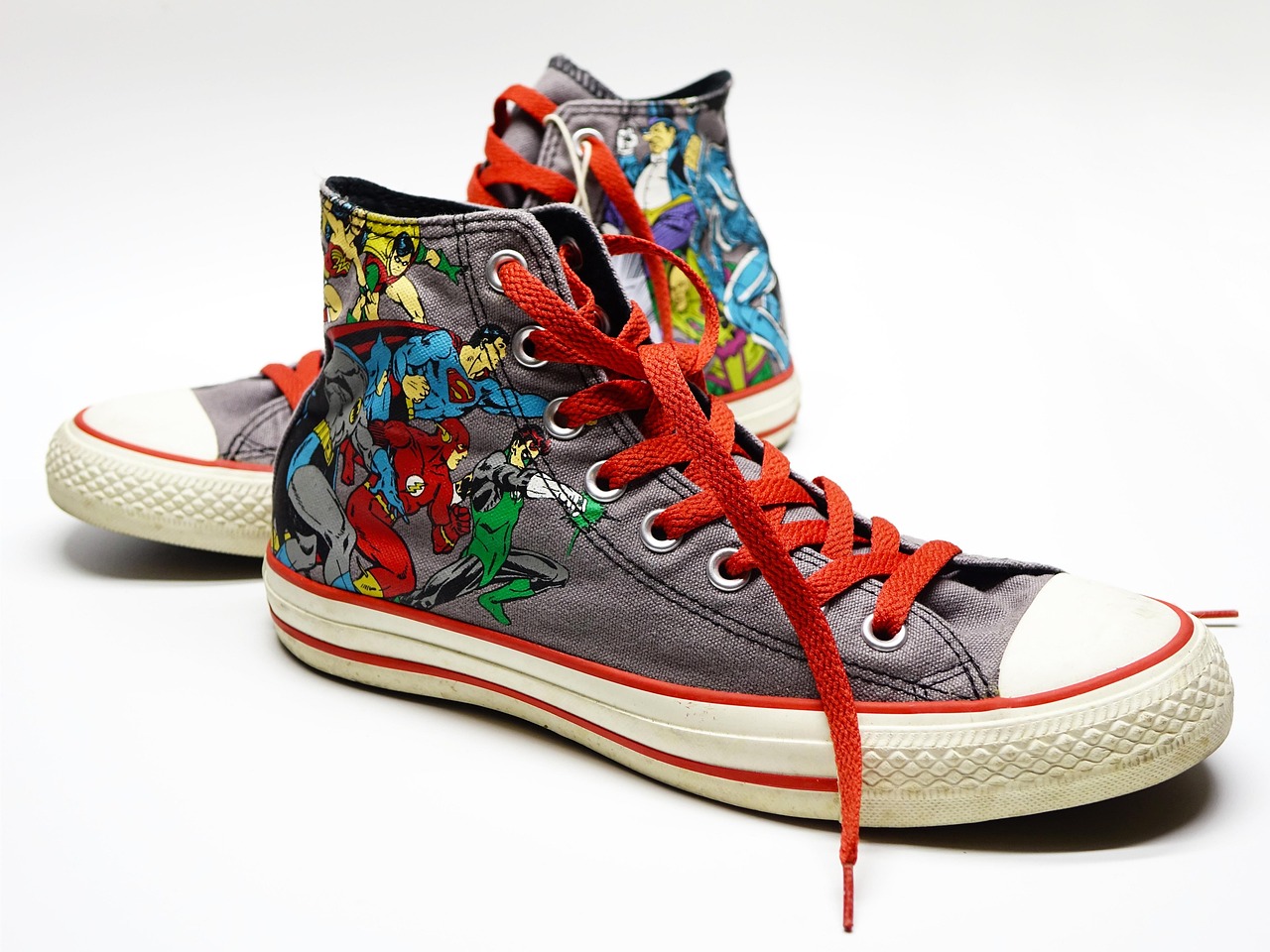
Converse Chuck Taylors, those iconic canvas sneakers, have been a staple in wardrobes for generations. They’re stylish, comfortable, and versatile, but one question frequently pops up, especially for those considering wearing them in various work environments or during activities requiring good grip: Are Converse shoes non slip? The answer, unfortunately, isn’t a straightforward yes or no. Let’s dive into the details and explore the truth about Converse and their slip resistance.
Contents
- 1 Understanding Converse Soles and Slip Resistance
- 2 A Step-by-Step Guide: Assessing Converse Grip
- 3 Tips for Improving Converse Traction (But Not Making Them Truly Non-Slip)
- 4 Common Mistakes to Avoid When Considering Converse for Slip-Resistant Needs
- 5 Frequently Asked Questions (FAQ)
- 6 Conclusion: Choosing the Right Footwear for the Job
Understanding Converse Soles and Slip Resistance
The standard Converse shoe features a vulcanized rubber sole with a diamond pattern. This design provides some level of traction on dry surfaces. However, the rubber used isn’t specifically engineered for slip resistance like you’d find in dedicated work shoes or athletic footwear designed for specific sports.

Think of it this way: Converse are designed for everyday wear, not for navigating slippery surfaces in a professional kitchen or scaling a wet rock face. Their soles prioritize flexibility and board feel (originally designed for basketball), which often comes at the expense of maximum grip.
Therefore, to directly answer the question: Are Converse shoes non slip? No, not in the way a specialized non-slip shoe is. They offer some grip, but they’re not designed to prevent slips and falls in hazardous environments.

A Step-by-Step Guide: Assessing Converse Grip
While Converse aren’t inherently non-slip, here’s a step-by-step guide to help you evaluate their grip and consider if they’re suitable for your intended activity:
- Examine the Sole: Look closely at the diamond pattern on the sole. Is it worn down? Worn soles offer significantly less traction.
- Surface Test: Test the shoes on the type of surface you intend to use them on. Try walking on a slightly damp tile or a polished floor.
- Apply Pressure: While testing, apply some pressure and try to pivot. Does the shoe grip, or does it slide easily?
- Consider the Environment: Are you expecting oil, grease, or water? These substances drastically reduce the grip of any non-specialized sole, including Converse.
- Assess Your Risk: If slipping could result in serious injury, it’s best to err on the side of caution and choose footwear specifically designed for slip resistance.
Tips for Improving Converse Traction (But Not Making Them Truly Non-Slip)
While you can’t magically transform Converse into certified non-slip shoes, here are some things you can do to improve their grip:
- Clean the Soles: Dirt and debris reduce traction. Regularly clean the soles with a brush and soapy water.
- Use a Shoe Grip Enhancer: There are sprays and liquids designed to increase the grip of shoe soles. These provide a temporary boost but need reapplication.
- Replace Worn Soles (If Possible): Some shoe repair shops can replace worn soles, but this might not be cost-effective for Converse.
- Consider Shoe Inserts: While they won’t directly improve sole grip, supportive inserts can improve your balance and stability, indirectly reducing the risk of slips.
- Wear Converse with a Thicker Sole: Some newer Converse models, like certain platform versions, have slightly thicker soles that *may* offer slightly more grip, but still aren’t truly non-slip.
Common Mistakes to Avoid When Considering Converse for Slip-Resistant Needs
Here are some common mistakes people make when assessing whether their Converse are suitable for situations requiring good grip:
- Assuming All Rubber is Equal: Not all rubber is created equal. The rubber used in Converse is different from the specialized rubber found in non-slip shoes.
- Ignoring Wear and Tear: A brand new pair of Converse will offer more grip than a worn-out pair. Don’t rely on old shoes for critical situations.
- Overestimating Grip on Wet Surfaces: Converse soles lose traction dramatically when wet.
- Believing Marketing Hype: Don’t be swayed by vague marketing claims. Look for certifications or specific features indicating slip resistance.
- Prioritizing Style Over Safety: While Converse are stylish, safety should always be the top priority in hazardous environments.
Frequently Asked Questions (FAQ)
Here are some frequently asked questions about Converse shoes and their slip resistance:
1. Can I wear Converse in a restaurant kitchen?
Generally, no. Most restaurants require employees to wear certified non-slip shoes to prevent accidents. Converse typically do not meet these requirements.
2. Are Converse good for walking on ice?
Absolutely not. Converse offer minimal grip on ice and are a poor choice for icy conditions. Wear appropriate winter boots with good traction.
3. Do Converse All Stars have good grip?
Converse All Stars offer a moderate level of grip on dry surfaces, but they are not considered non-slip shoes. Their grip diminishes significantly on wet or oily surfaces.
4. Are Converse shoes non slip for skateboarding?
While Converse have been popular in skateboarding, their grip is adequate for the sport, but other skate shoes may offer superior board feel and grip. They are not specifically designed for non-slip properties.
5. How do I clean my Converse soles to improve grip?
Use a brush, warm water, and dish soap to scrub the soles. Rinse thoroughly and allow them to air dry completely.
Conclusion: Choosing the Right Footwear for the Job
So, are Converse shoes non slip? The answer is a qualified no. While they offer some grip, they are not designed or certified as non-slip shoes. If you need reliable slip resistance for work or other activities, invest in footwear specifically engineered for that purpose. Prioritize safety and choose shoes that will keep you protected in your specific environment.
While Converse are fantastic for casual wear, it’s crucial to understand their limitations and choose the right footwear for the task at hand. Stay safe and stylish!
“`

I am an accomplished footwear blogger with a keen eye for style and a passion for shoes. My deep-rooted love affair with footwear began at a young age when I would spend hours perusing shoe stores, admiring the intricate designs and imagining the stories they could tell.