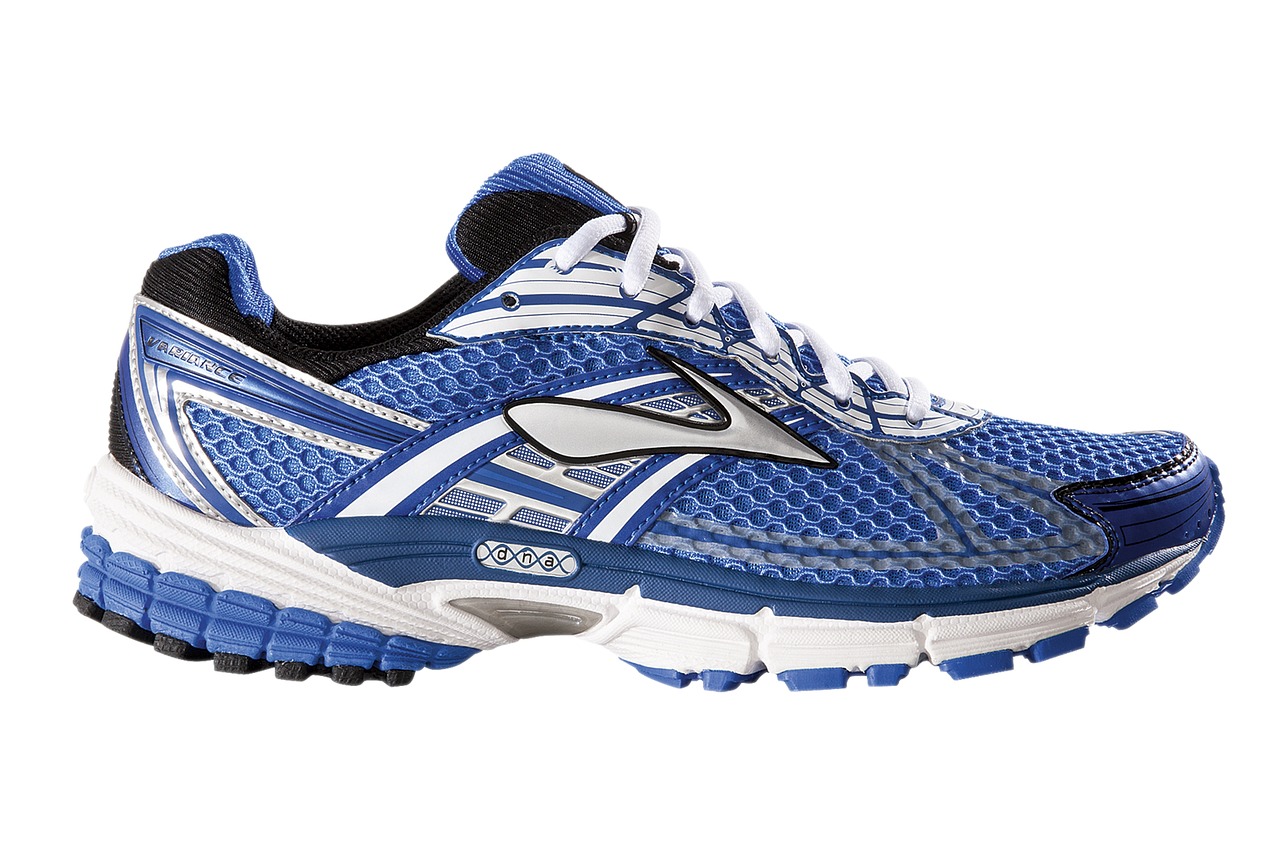
So, you’re thinking about hitting the pavement in your trusty basketball shoes, but you’re wondering: Are basketball shoes good for running? It’s a fair question! After all, they’re both shoes, right? Well, not exactly. While they might look similar at first glance, basketball shoes and running shoes are designed for very different purposes. Choosing the wrong footwear can lead to discomfort, injury, and a less-than-stellar workout. Let’s dive into the details and figure out if those hoops shoes are up to the task of logging miles.
Contents
- 1 Understanding the Differences: Basketball Shoes vs. Running Shoes
- 2 Are Basketball Shoes Good For Running? The Short Answer
- 3 When *Might* Basketball Shoes Be Okay for Limited Running?
- 4 Tips for Making Better Choices Than Running in Basketball Shoes
- 5 Common Mistakes to Avoid When Choosing Running Shoes
- 6 Frequently Asked Questions (FAQ)
- 7 Conclusion: Invest in Your Feet!
Understanding the Differences: Basketball Shoes vs. Running Shoes
Before we definitively answer the question, “Are basketball shoes good for running?” it’s essential to understand what makes each shoe type unique. They’re built with entirely different activities in mind.
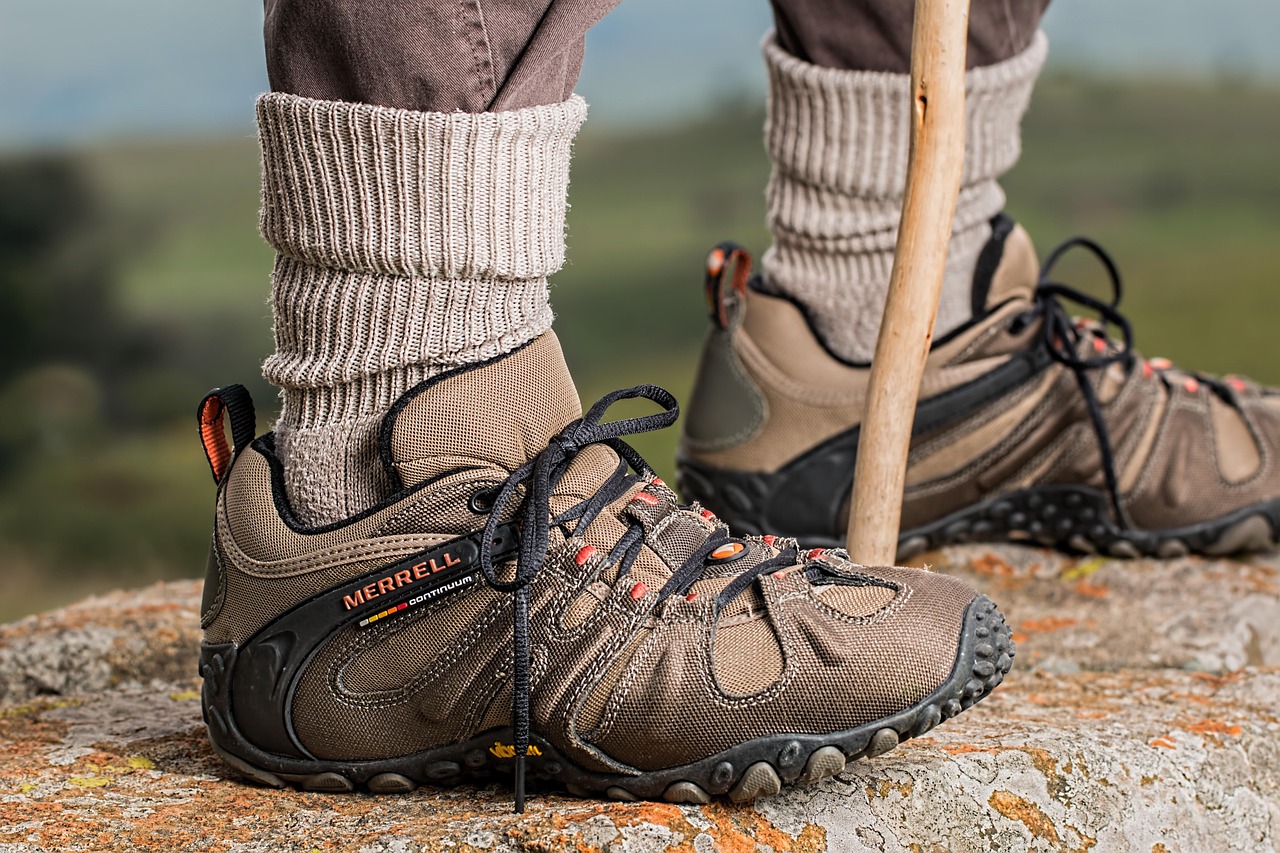
Basketball Shoe Design: Stability and Support
Basketball shoes are engineered for lateral movements, jumping, and quick stops. Think about the demands of the game: explosive bursts, pivoting, and landing after a dunk.
- High Ankle Support: Many basketball shoes feature a high-top design to provide ankle stability and prevent sprains.
- Lateral Support: Reinforced sidewalls and outsoles are crucial for side-to-side movements.
- Cushioning: Cushioning is present, but it’s often focused on impact absorption for jumping and landing, not necessarily for the repetitive pounding of running.
- Heavier Weight: Durability and support come at a cost: basketball shoes tend to be heavier than running shoes.
Running Shoe Design: Cushioning and Flexibility
Running shoes prioritize forward motion, cushioning, and energy return. The goal is to make each stride as efficient and comfortable as possible.
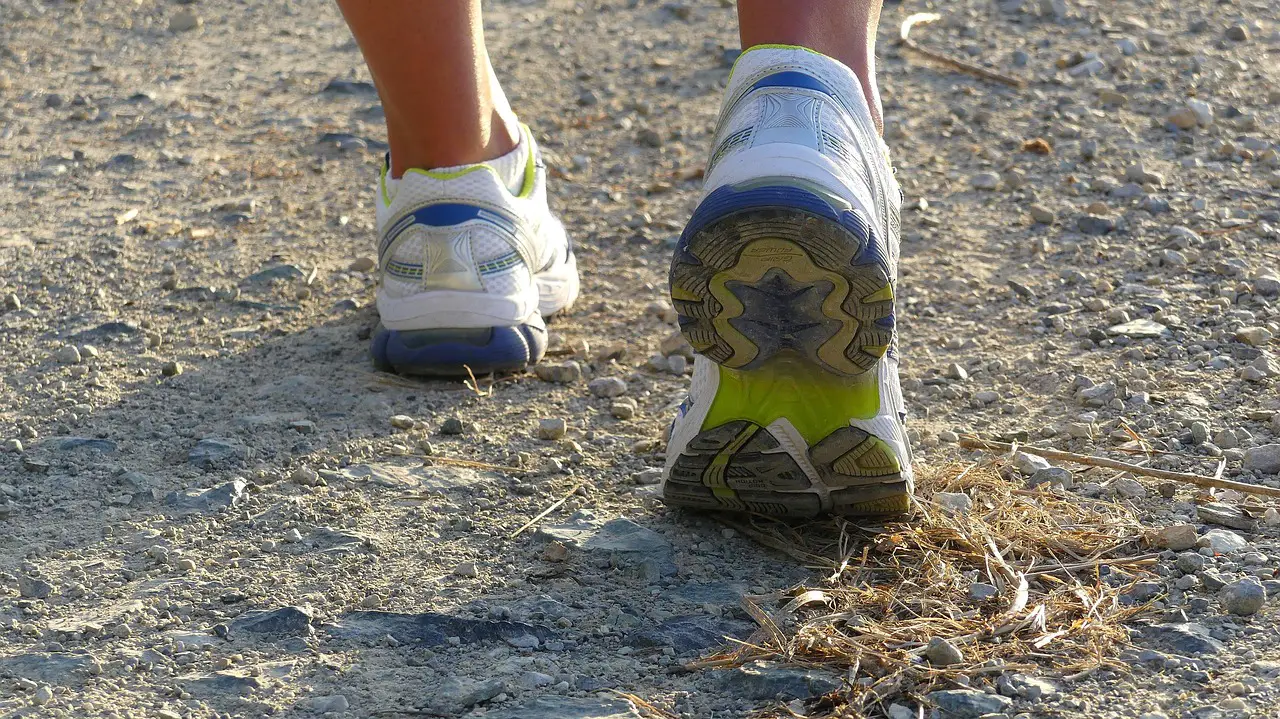
- Lightweight Construction: Running shoes are designed to be as light as possible to minimize fatigue.
- Cushioning: Specialized cushioning systems absorb impact and provide energy return for long-distance running.
- Flexibility: Running shoes are more flexible, allowing your foot to move naturally through its gait cycle.
- Breathability: Mesh uppers promote airflow to keep your feet cool and dry.
Are Basketball Shoes Good For Running? The Short Answer
The short answer is: generally, no. While you could technically run in basketball shoes, it’s not recommended, especially for regular or long-distance running. Are basketball shoes good for running in a pinch? Maybe for a very short sprint. But for anything beyond that, you’re putting yourself at risk.
Here’s why:
- Increased Risk of Injury: The lack of flexibility and excessive weight can lead to shin splints, plantar fasciitis, and other overuse injuries.
- Reduced Performance: The heavy weight and inadequate cushioning will make running more tiring and less efficient.
- Discomfort: Your feet will likely feel cramped, hot, and uncomfortable after even a short run.
When *Might* Basketball Shoes Be Okay for Limited Running?
Okay, so we’ve established that are basketball shoes good for running is usually a no. But there are a few *very* specific scenarios where it might be acceptable for limited running:
- Warm-up Drills: Short bursts of running for basketball practice or warm-up drills might be fine.
- Occasional Sprints: If you’re doing short sprints as part of a cross-training workout, it’s probably okay.
- Limited Access: If you absolutely have no other footwear option and need to run a very short distance, it’s better than nothing.
However, even in these cases, it’s still preferable to use running shoes or cross-training shoes if possible.
Tips for Making Better Choices Than Running in Basketball Shoes
If you’re serious about running, invest in a good pair of running shoes! It’s the best way to protect your feet and improve your performance. Here are a few tips:
- Visit a Running Store: Get professionally fitted for running shoes. A knowledgeable salesperson can assess your gait and recommend shoes that are right for your foot type.
- Consider Your Running Style: Are you a neutral runner, overpronator, or supinator? Different shoes are designed for different running styles.
- Think About Distance: Are you running short distances or training for a marathon? Longer distances require more cushioning and support.
- Read Reviews: Check online reviews to see what other runners are saying about different shoes.
Common Mistakes to Avoid When Choosing Running Shoes
Choosing the wrong running shoes can be just as bad as running in basketball shoes! Here are some common mistakes to avoid:
- Buying Based on Looks Alone: Don’t choose shoes based solely on their appearance. Functionality is more important than fashion.
- Ignoring Your Foot Type: Wearing shoes that don’t match your foot type can lead to discomfort and injury.
- Not Trying Them On: Always try shoes on before you buy them, and walk or run around in them to make sure they feel comfortable.
- Wearing the Wrong Size: Your running shoes should be about a thumb’s width longer than your longest toe.
- Sticking with Old Shoes Too Long: Running shoes lose their cushioning and support over time. Replace them every 300-500 miles.
Frequently Asked Questions (FAQ)
Still have questions about whether are basketball shoes good for running? Here are some common queries:
Q: Can I wear basketball shoes for walking?
A: Yes, basketball shoes are generally okay for walking short distances. However, they might not be as comfortable as walking shoes for longer periods.
Q: What’s the difference between cross-training shoes and running shoes?
A: Cross-training shoes are more versatile and can be used for a variety of activities, including weightlifting, aerobics, and some running. Running shoes are specifically designed for forward motion and long-distance running.
Q: How often should I replace my running shoes?
A: As a general rule, you should replace your running shoes every 300-500 miles.
Q: Can running in the wrong shoes cause injuries?
A: Absolutely! Running in the wrong shoes can increase your risk of injuries such as shin splints, plantar fasciitis, and stress fractures.
Q: What are some good brands of running shoes?
A: Some popular and reputable running shoe brands include Nike, Adidas, Brooks, Saucony, and ASICS.
Conclusion: Invest in Your Feet!
So, are basketball shoes good for running? The answer is a resounding no for any serious running endeavor. While they might work in a pinch for very short distances, they lack the cushioning, flexibility, and lightweight design that running shoes offer. Investing in a good pair of running shoes is an investment in your health and performance. Don’t risk injury or discomfort by running in the wrong footwear. Your feet (and your body) will thank you!
“`

I am an accomplished footwear blogger with a keen eye for style and a passion for shoes. My deep-rooted love affair with footwear began at a young age when I would spend hours perusing shoe stores, admiring the intricate designs and imagining the stories they could tell.