Plantar fasciitis – that sharp, stabbing pain in your heel that makes you dread your first steps in the morning. If you’re suffering from it, you’re probably searching high and low for relief. You might have even stumbled upon the idea of barefoot shoes. But are barefoot shoes good for plantar fasciitis, or are they just another fad? This guide will dive deep into the topic, helping you understand if these minimalist shoes can truly help you find relief.
Contents
Understanding Plantar Fasciitis and Its Causes
Before we explore the potential benefits (or drawbacks) of barefoot shoes, let’s briefly understand what plantar fasciitis actually is. It’s an inflammation of the plantar fascia, a thick band of tissue that runs along the bottom of your foot, connecting your heel to your toes. It acts like a shock absorber and supports the arch of your foot.
Common causes of plantar fasciitis include:
- High-impact activities like running or jumping
- Overpronation (rolling the foot inward excessively)
- Tight calf muscles
- Inadequate arch support
- Obesity
- Wearing shoes with poor support
Are Barefoot Shoes Good For Plantar Fasciitis? A Step-by-Step Guide
The question of whether are barefoot shoes good for plantar fasciitis is complex and doesn’t have a simple “yes” or “no” answer. It depends on your individual circumstances and how you transition to them. Here’s a step-by-step guide to help you determine if they might be right for you:
Step 1: Understand the Principles of Barefoot Shoes
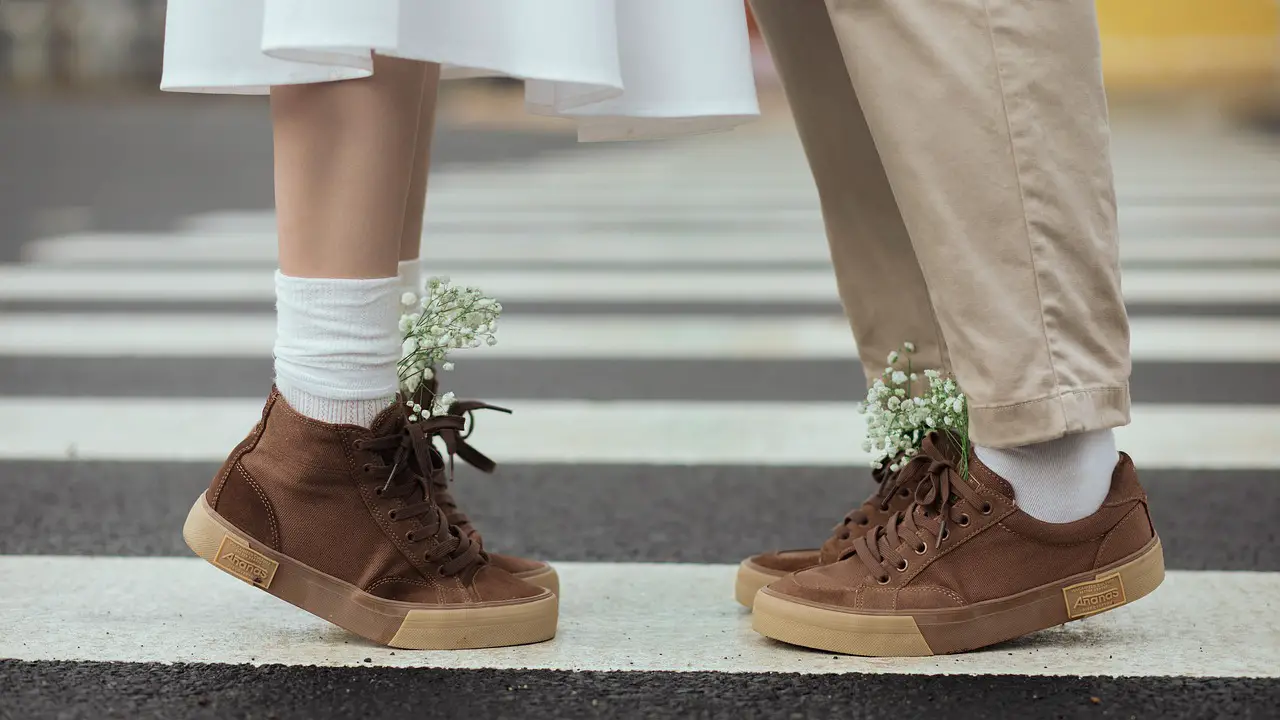
Barefoot shoes, also known as minimalist shoes, are designed to mimic the feeling of walking barefoot. They typically have:
- A thin, flexible sole
- A wide toe box
- Zero drop (no difference in height between the heel and toes)
The idea is to allow your feet to move more naturally, strengthening the muscles and tendons in your feet and lower legs.
Step 2: Consider the Potential Benefits
Here’s how barefoot shoes might help with plantar fasciitis:
- Strengthening Foot Muscles: Barefoot shoes encourage your foot muscles to work harder, which can improve arch support and reduce strain on the plantar fascia.
- Improved Proprioception: They enhance your awareness of your foot’s position and movement, leading to better balance and coordination.
- Natural Foot Alignment: The wide toe box allows your toes to splay naturally, which can improve foot alignment and reduce overpronation.
- Increased Circulation: More foot movement can lead to improved blood flow, potentially aiding healing.
Step 3: Acknowledge the Potential Risks
It’s crucial to be aware of the potential downsides:
- Increased Strain: Transitioning too quickly to barefoot shoes can overload your plantar fascia and other tissues, making your plantar fasciitis worse.
- Lack of Cushioning: The thin sole provides minimal cushioning, which may not be suitable for everyone, especially during high-impact activities.
- Increased Risk of Injury: Without proper conditioning, you’re more susceptible to stress fractures and other injuries.
Step 4: Gradual Transition is Key
If you decide to try barefoot shoes, a slow and gradual transition is absolutely essential. Start by wearing them for short periods each day (e.g., 15-30 minutes) and gradually increase the time as your feet get stronger. Listen to your body and stop if you experience any pain.
Step 5: Incorporate Strengthening Exercises
Combine wearing barefoot shoes with specific exercises to strengthen your foot and calf muscles. Examples include:
- Toe raises
- Heel raises
- Calf stretches
- Plantar fascia stretches (rolling your foot over a tennis ball or frozen water bottle)
Step 6: Seek Professional Advice
Consult with a podiatrist or physical therapist before transitioning to barefoot shoes, especially if you have severe plantar fasciitis or other foot problems. They can assess your foot mechanics and provide personalized recommendations.
Tips for Making Barefoot Shoes Work for Plantar Fasciitis
Here are some tips to maximize the potential benefits of barefoot shoes while minimizing the risks:
- Choose shoes with a slightly thicker sole initially for added cushioning.
- Consider using orthotics or arch supports in your barefoot shoes, especially during the transition period.
- Wear them for low-impact activities like walking or light hiking first.
- Pay attention to your form when walking or running. Try to land midfoot rather than on your heel.
- Listen to your body and don’t push yourself too hard.
Common Mistakes to Avoid
Many people make these mistakes when trying barefoot shoes for plantar fasciitis:
- Transitioning too quickly
- Ignoring pain signals
- Not incorporating strengthening exercises
- Wearing them for inappropriate activities
- Not seeking professional advice
Frequently Asked Questions (FAQ)
Here are some frequently asked questions about using barefoot shoes for plantar fasciitis:
Q1: Can barefoot shoes cure plantar fasciitis?
A: Barefoot shoes aren’t a guaranteed cure, but they can be part of a comprehensive treatment plan to strengthen your feet and improve your foot mechanics.
Q2: Are all barefoot shoes the same?
A: No, there’s a wide variety of barefoot shoes available, with different levels of cushioning and support. Choose a pair that’s appropriate for your needs and experience level.
Q3: Can I wear barefoot shoes all day, every day?
A: Not initially. Start with short periods and gradually increase the time as your feet get stronger.
Q4: Are barefoot shoes good for running with plantar fasciitis?
A: Running in barefoot shoes with plantar fasciitis requires a very gradual transition and careful attention to form. It’s best to consult with a running coach or physical therapist.
Q5: What if I experience pain while wearing barefoot shoes?
A: Stop wearing them and rest. Reduce the amount of time you wear them or consult with a healthcare professional.
Conclusion: A Personalized Approach is Key
Are barefoot shoes good for plantar fasciitis? The answer isn’t a straightforward yes or no. They can be a helpful tool for some people, but they’re not a magic bullet. A gradual transition, combined with strengthening exercises and professional guidance, is crucial for success. Remember to listen to your body and prioritize your comfort. Addressing the underlying causes of your plantar fasciitis, such as tight calf muscles or overpronation, is also essential for long-term relief. If you’re considering barefoot shoes, approach them with caution and a personalized strategy, and you might just find them to be a valuable part of your plantar fasciitis recovery journey.
“`

I am an accomplished footwear blogger with a keen eye for style and a passion for shoes. My deep-rooted love affair with footwear began at a young age when I would spend hours perusing shoe stores, admiring the intricate designs and imagining the stories they could tell.