Do you have flat feet and find yourself constantly searching for comfortable footwear? You’ve probably heard whispers about barefoot shoes and wondered, “Are Barefoot Shoes Good For Flat Feet?” The answer, like most things related to foot health, isn’t a simple yes or no. It’s more nuanced and depends on various factors. This guide will break down everything you need to know, from understanding flat feet to safely transitioning to barefoot shoes.
Contents
Understanding Flat Feet: What’s Going On Down There?
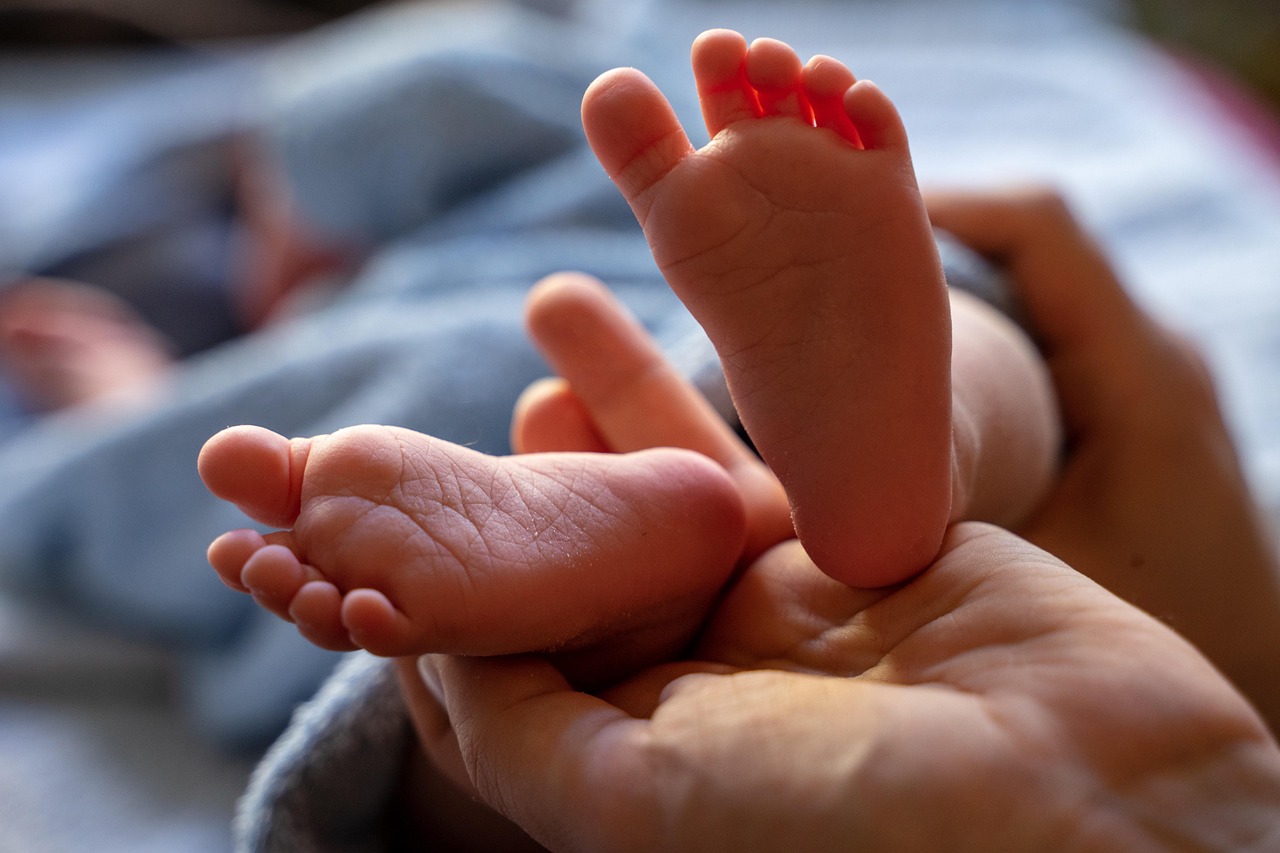
Flat feet, also known as fallen arches, occur when the arch on the inside of your foot collapses, causing the entire sole to come into complete or near-complete contact with the ground. It’s a common condition, and in many cases, it doesn’t cause any pain or problems. However, for some, flat feet can lead to discomfort in the feet, ankles, knees, hips, and even the lower back.
Several factors can contribute to flat feet, including genetics, injury, obesity, aging, and conditions like rheumatoid arthritis. Understanding the cause of your flat feet is crucial before making any footwear changes.
Are Barefoot Shoes Good For Flat Feet? A Step-by-Step Guide
So, are barefoot shoes good for flat feet? Let’s explore this step-by-step:
Step 1: Understand the Potential Benefits
Barefoot shoes offer minimal cushioning and support, allowing your feet to move more naturally. Proponents believe this can strengthen the muscles in your feet and ankles, potentially improving arch support over time. The increased sensory feedback from the ground can also enhance proprioception (your body’s awareness of its position in space), leading to better balance and coordination.
- Strengthening foot muscles
- Improved proprioception
- More natural gait
Step 2: Recognize the Risks
However, jumping straight into barefoot shoes with flat feet can be risky. Your feet may not be strong enough to handle the lack of support, potentially leading to pain, injury, or exacerbation of existing problems. Overpronation (excessive inward rolling of the foot) is common in people with flat feet, and barefoot shoes might initially worsen this.
It is also important to consider the surface you are walking on. Barefoot shoes offer less protection from sharp objects and uneven terrain.
Step 3: Start Slowly and Gradually
If you’re considering barefoot shoes, the key is to transition gradually. Don’t go from supportive shoes to minimalist shoes overnight. Start by wearing them for short periods each day, such as an hour or two, and gradually increase the wear time as your feet adapt.
Listen to your body. If you experience pain or discomfort, stop and rest. You might need to take a step back and reduce the amount of time you’re wearing the shoes.
Step 4: Focus on Foot Strengthening Exercises
Alongside gradually transitioning to barefoot shoes, incorporate foot strengthening exercises into your routine. These exercises can help build the muscles in your feet and ankles, providing better support and stability. Some examples include:
- Toe raises
- Heel raises
- Toe curls
- Marble pickups
- Calf raises
Step 5: Consider Orthotics (Initially)
In some cases, using orthotics in your barefoot shoes (or even in your regular shoes during the transition) can be helpful. Orthotics can provide additional arch support and help correct overpronation, reducing the risk of pain and injury. Consult with a podiatrist or physical therapist to determine if orthotics are right for you.
Step 6: Listen to Your Body and Seek Professional Advice
The most important step is to listen to your body. If you experience persistent pain or discomfort, stop wearing the barefoot shoes and consult with a podiatrist or physical therapist. They can assess your individual needs and provide personalized recommendations.
Tips for Making Barefoot Shoes Work for Flat Feet
Making barefoot shoes work for flat feet requires patience and a strategic approach. Here are some tips to enhance your experience:
- Choose the right shoe: Look for barefoot shoes with a wider toe box to allow your toes to splay naturally.
- Start with thicker soles: Opt for barefoot shoes with slightly thicker soles initially, providing a bit more cushioning as you transition.
- Vary your terrain: Start by walking on soft, even surfaces like grass or sand before tackling harder surfaces like concrete.
- Pay attention to your gait: Focus on walking with a natural, midfoot strike rather than heel striking.
- Incorporate stretching: Regularly stretch your calf muscles and Achilles tendon to improve flexibility and reduce strain on your feet.
- Use toe separators: Toe separators can help realign your toes and improve foot function.
Common Mistakes to Avoid
Transitioning to barefoot shoes with flat feet can be tricky. Here are some common mistakes to avoid:
- Doing too much, too soon: Rushing the transition is a recipe for injury.
- Ignoring pain: Pain is a signal that something is wrong. Don’t ignore it.
- Wearing the wrong size: Ensure your shoes fit properly, with enough room for your toes to move.
- Not strengthening your feet: Neglecting foot strengthening exercises will hinder your progress.
- Ignoring professional advice: Don’t hesitate to seek guidance from a podiatrist or physical therapist.
Frequently Asked Questions (FAQ)
Here are some frequently asked questions about barefoot shoes and flat feet:
Q: Can barefoot shoes actually correct flat feet?
A: While barefoot shoes can strengthen foot muscles and improve arch support, they may not completely “correct” flat feet, especially if the condition is structural. However, they can help manage symptoms and improve overall foot function.
Q: Are all barefoot shoes the same?
A: No, there’s a wide variety of barefoot shoes available. Some have thicker soles, while others are more minimalist. Choose a pair that suits your needs and gradually transition to more minimalist options as your feet adapt.
Q: Can I wear barefoot shoes for running with flat feet?
A: Running in barefoot shoes with flat feet requires even more caution. Start with short distances on soft surfaces and gradually increase the distance as your feet get stronger. Consider consulting with a running coach or physical therapist for guidance.
Q: What if I experience pain while wearing barefoot shoes?
A: Stop wearing the shoes and rest. If the pain persists, consult with a podiatrist or physical therapist. They can help identify the cause of the pain and recommend appropriate treatment.
Q: How long does it take to transition to barefoot shoes?
A: The transition time varies depending on individual factors such as age, fitness level, and the severity of flat feet. It could take several weeks to several months.
Conclusion: A Cautious Approach to Barefoot Shoes and Flat Feet
So, are barefoot shoes good for flat feet? Ultimately, the answer is a qualified yes. They *can* be beneficial, but only if approached with caution and a gradual transition. Focus on strengthening your feet, listening to your body, and seeking professional advice when needed. By following these steps, you can explore the potential benefits of barefoot shoes while minimizing the risk of injury and improving your overall foot health. Remember, patience and consistency are key!

I am an accomplished footwear blogger with a keen eye for style and a passion for shoes. My deep-rooted love affair with footwear began at a young age when I would spend hours perusing shoe stores, admiring the intricate designs and imagining the stories they could tell.